The secret to carnitas that are melt-in-your-mouth tender and crispy on the outside: slow cook with citrus and spices, then finish under the broiler. Easy, w...
The Mexi Plate
Cochinita Pibil in the Oven

Elena Valdés
Elena Valdés is a Mexican-American home cook and the culinary heart behind MexiPlate. Inspired by the bustling kitchens of her childhood in Jalisco and Texas, she specializes in translating authentic Mexican flavors into approachable recipes for everyday cooks. Whether she is sharing her grandmother's secret for the perfect tamale masa or a quick 30-minute weeknight enchilada bake, Elena believes that good food is the best way to bring people together.
Published November 12, 2026
The first time I made cochinita pibil in my tiny San Antonio apartment kitchen, I worried I was committing some kind of culinary crime. No underground pib (a pit oven), no banana leaves, no smoky earth perfume. Just an oven, a Dutch oven, and a very stubborn craving for that Yucatecan flavor: achiote, sour orange, garlic, oregano, and warm spices all wrapped around pork so tender it practically sighs when you pull it apart.
Here is the truth I learned that night (and many times since): you can absolutely get cochinita pibil that tastes authentic at home in the oven. The keys are a bold marinade, a tight seal for moist braising, and one last quick step to crisp the edges for tacos.
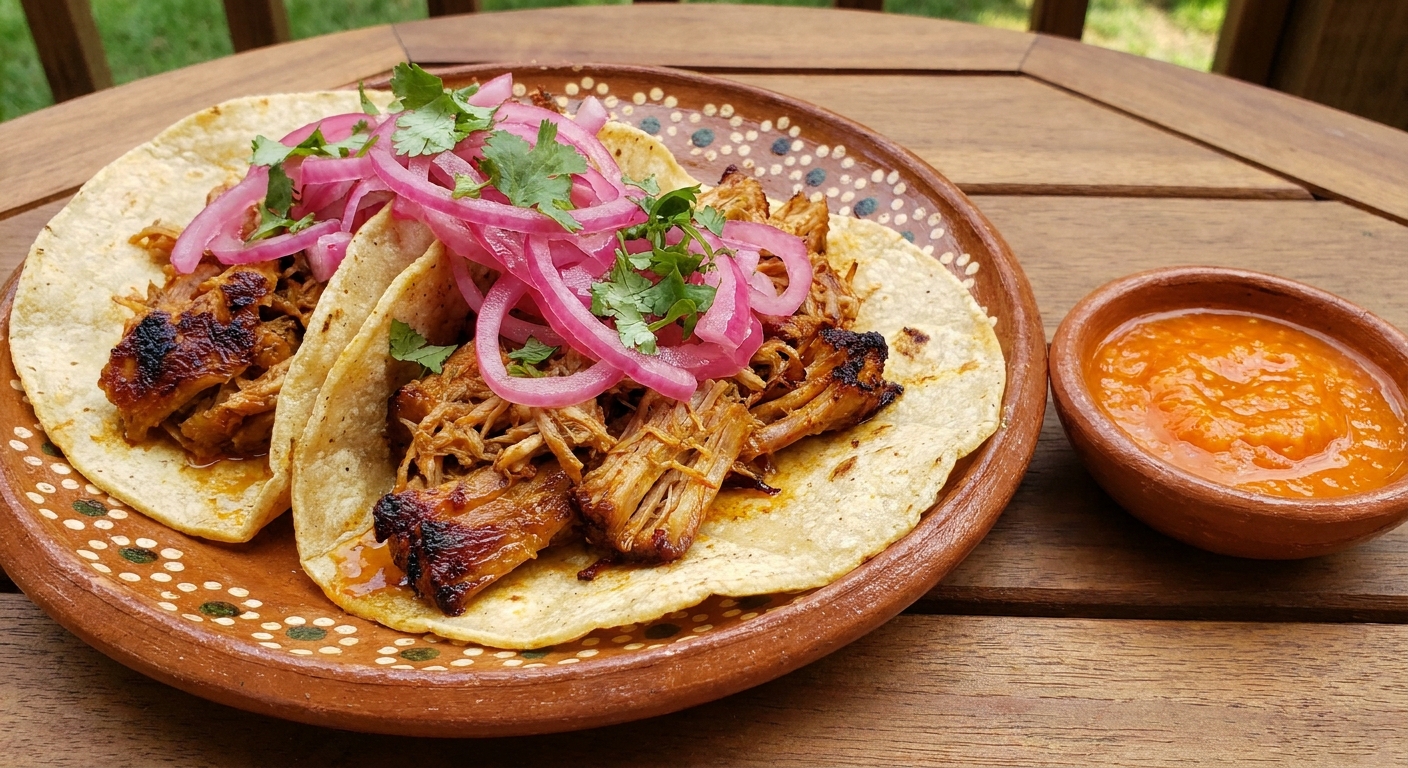
What makes it taste right
Cochinita pibil is a classic dish from the Yucatán Peninsula. The flavor is built on achiote (annatto) and sour orange, with garlic and oregano doing the heavy lifting in the background. You will also taste warm spices like cumin, clove, and cinnamon used sparingly. The result is earthy, citrusy, and gently spiced, with a signature brick-red color.
Traditionally, the pork is wrapped (often in banana leaves) and slow-cooked in a pib, an underground pit. In a home oven, we recreate the same tender, sealed environment by braising the pork tightly covered so it steams in its own juices and marinade.
Ingredients you need
I am keeping this focused on the essentials so you can shop confidently.
For the pork
- Pork shoulder (pork butt): 4 to 5 pounds, boneless is easiest. A little fat is your friend here.
- Achiote paste: look for a Yucatecan-style achiote paste block. This is not the same as achiote powder.
- Sour orange juice (traditional) or a quick stand-in (below)
- Garlic: lots. Fresh cloves, not jarred.
- Mexican oregano: if you only have Mediterranean oregano, use it, just reduce slightly.
- Warm spices: cumin, clove, cinnamon (small amounts, but important)
- Salt
- Optional: a splash of white vinegar for extra tang if your oranges are very sweet
Sour orange substitute (works beautifully)
If you cannot find sour orange juice, mix:
- 1/2 cup fresh orange juice
- 1/4 cup fresh lime juice
That sweet-tart balance gets you very close to the real thing.
Oven cochinita pibil
This method gives you juicy, shreddable pork with a marinade that seasons thoroughly and a sealed braise that keeps everything succulent.
1) Make the achiote marinade
In a blender, combine:
- 4 ounces achiote paste (about 1/2 of a standard block, depending on brand)
- 3/4 cup sour orange juice (or the orange-lime mix)
- 6 cloves garlic
- 2 teaspoons Mexican oregano
- 1 1/2 teaspoons kosher salt (plus more to taste later)
- 1 teaspoon ground cumin
- 1/8 teaspoon ground clove
- 1/4 teaspoon ground cinnamon
- Optional: 1 tablespoon white vinegar
Blend until smooth. The marinade should be pourable but thick, like a loose sauce. If it is too thick, add a splash more citrus.
2) Prep the pork for flavor
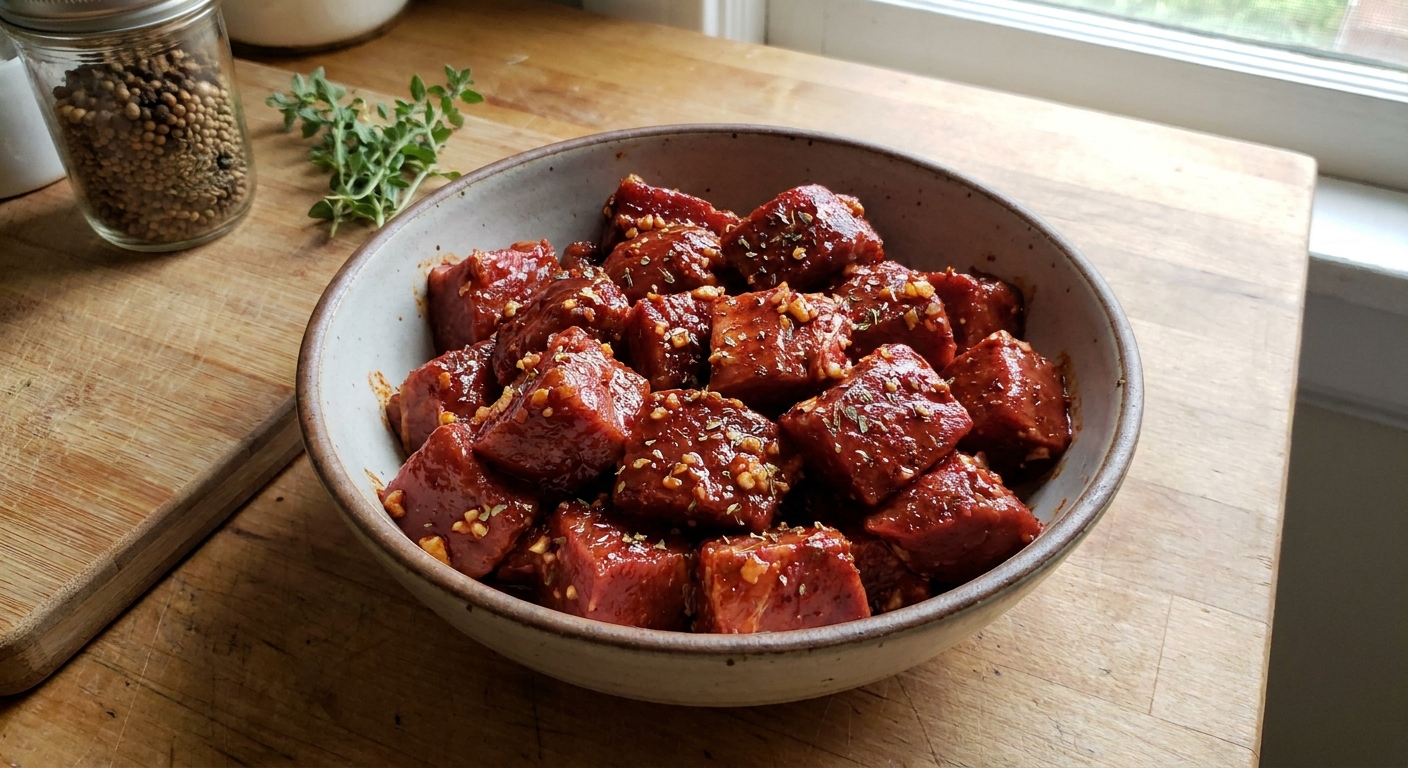
Cut the pork shoulder into 3 to 4 inch chunks. This is not traditional presentation, but it is a home-cook trick that makes a huge difference in an oven. More surface area means more achiote coverage in every bite, and it cooks more evenly.
Toss the pork with the marinade until every piece is coated. If you have time, marinate covered in the fridge for at least 4 hours, and up to overnight. If you are cooking right away, it will still be delicious, just a little less deeply seasoned.
Food safety note: keep the pork refrigerated while it marinates, and wash anything that touched the raw pork or raw marinade.
Keep it moist
Cochinita pibil should be succulent, not dry or stringy. Here is how we protect that texture in a home oven.
Use a tight seal
Transfer the marinated pork and all marinade into a Dutch oven or a deep roasting pan. Cover tightly with a lid. If your lid is not snug, add a layer of foil under the lid to trap steam.
Optional but lovely: if you can find banana leaves, line the pot and drape a piece over the top before covering. It adds aroma, but this dish still works beautifully without it.
Low and slow wins
Braise at 325°F until the pork is fall-apart tender, usually 3 to 3 1/2 hours. Start checking around 2 1/2 hours. You are looking for texture more than time.
Doneness markers: a fork should twist through the meat with almost no resistance. If you like numbers, pork shoulder is typically shreddable around 195 to 205°F, but the fork test is the real truth.
Do not skip the resting time
Let the meat rest in the covered pot for 20 to 30 minutes before shredding. This keeps moisture in the pork instead of on your cutting board.
Shred in the juices
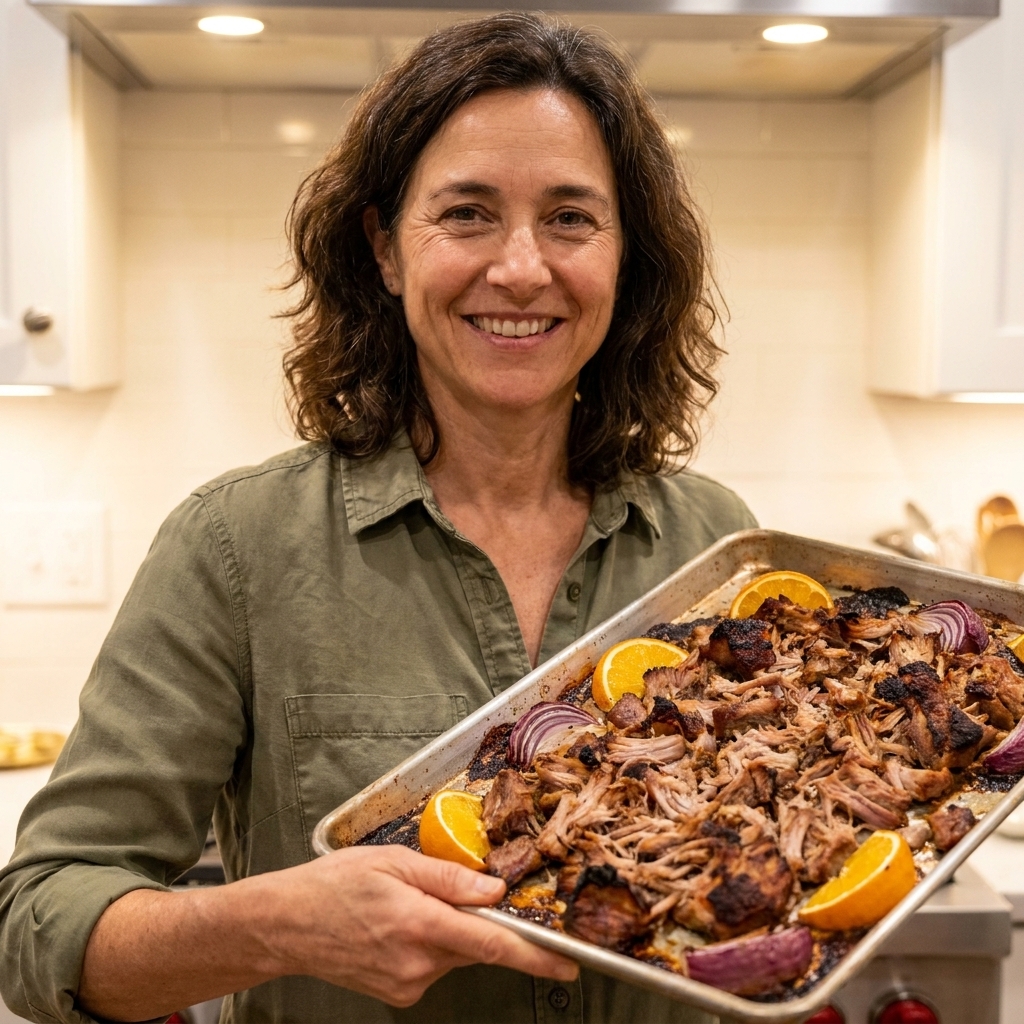
Shred the pork directly in the pot and toss it with the cooking juices. If there is a thick layer of fat on top, skim a little, but leave enough to keep everything silky and flavorful.
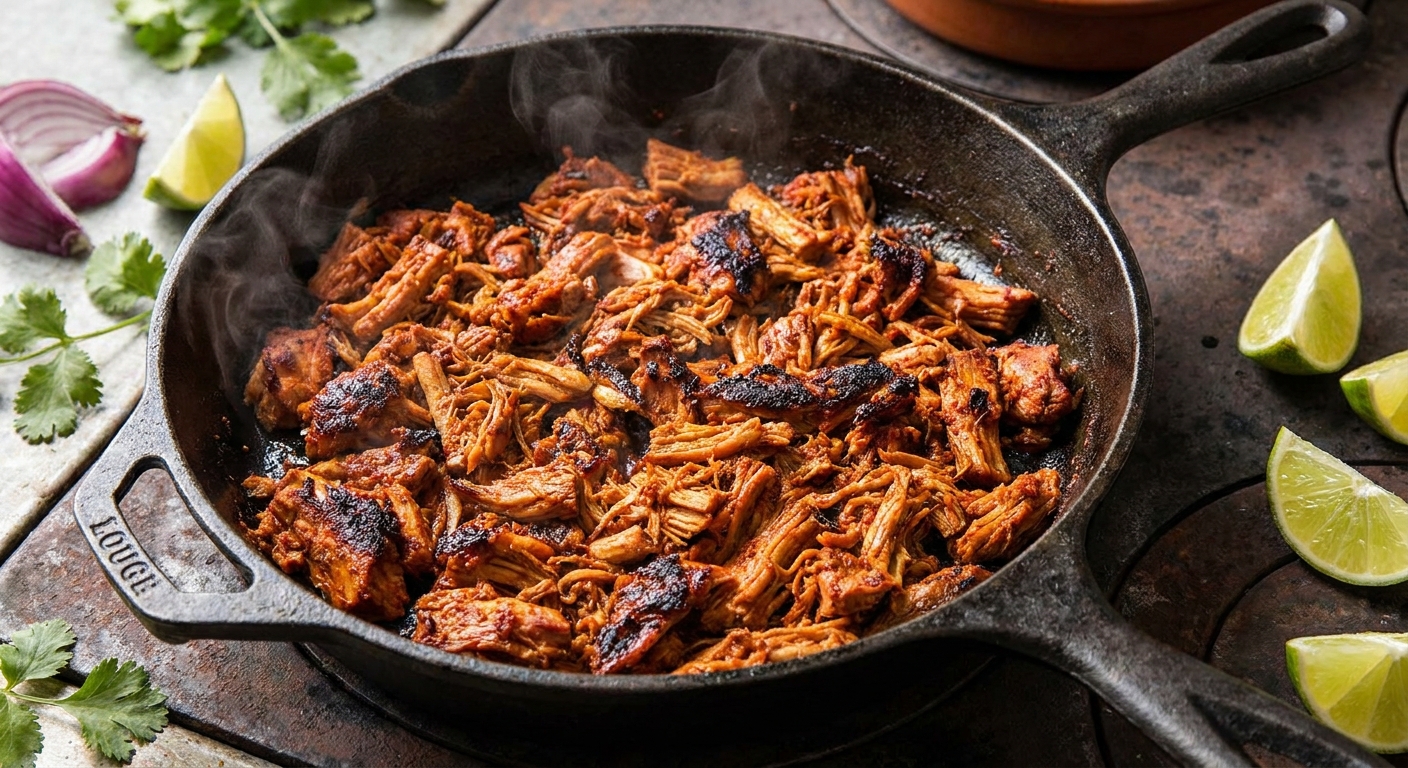
Crisp the edges
Soft, juicy cochinita is amazing. Crisped cochinita is the version people remember.
Stovetop crisp (my favorite)
Heat a large skillet over medium-high heat. Add a spoonful of rendered fat or a drizzle of neutral oil. Spread a layer of shredded pork in the pan and let it cook undisturbed for 2 to 4 minutes until the edges start to brown and crisp. Splash a little cooking juice over the top and toss. Repeat in batches.
Broiler crisp (easy for a crowd)
Spread shredded pork on a rimmed sheet pan. Drizzle with a little cooking juice. Broil 3 to 6 minutes, watching closely, until the edges are browned. Toss and broil another minute if you want more crisp bits.
What to serve with it
If you serve cochinita with the right sides, it becomes a full Yucatecan-style taco night at home.
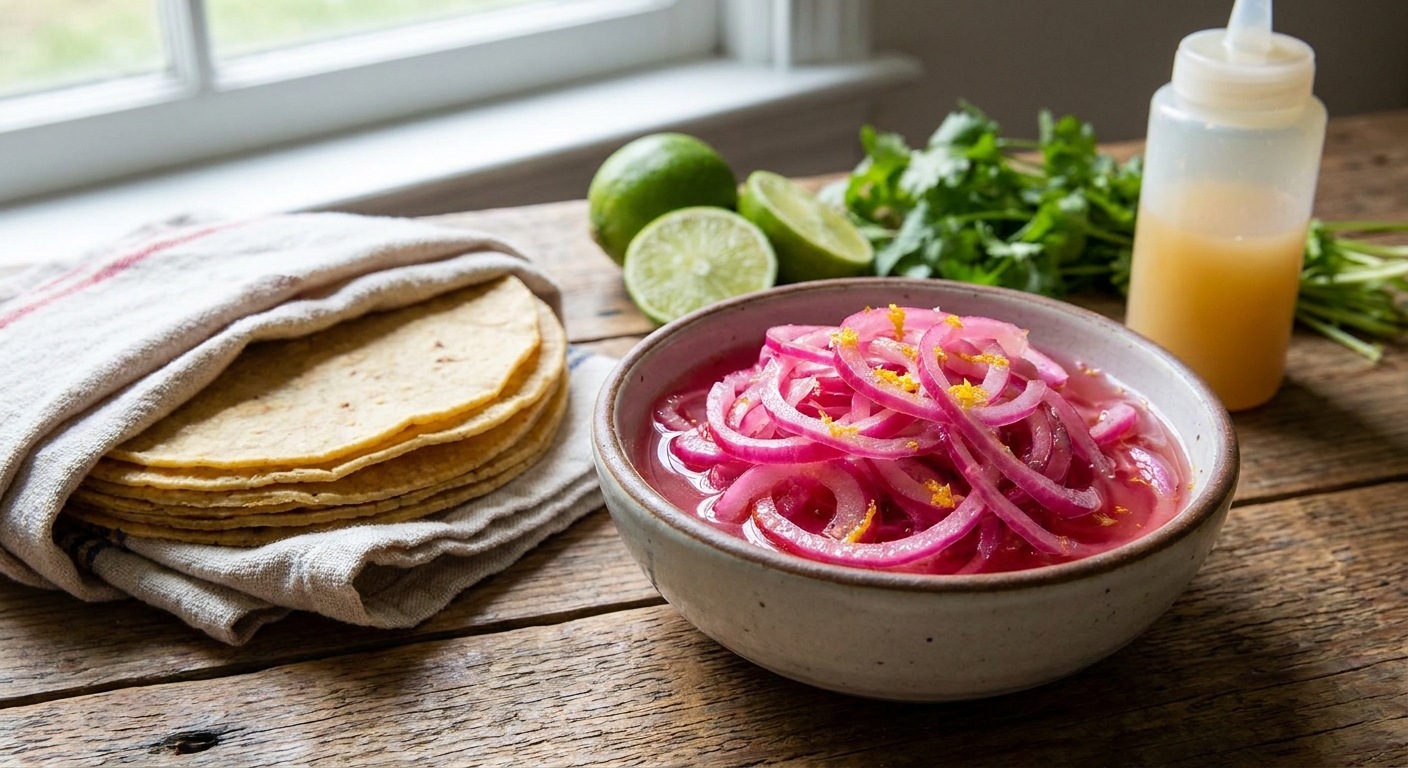
Pickled red onion
That bright pink onion is not just pretty. It cuts through the richness and makes each bite feel lighter.
Quick method: Thinly slice 1 large red onion. Toss with 3/4 cup citrus juice and 1 teaspoon salt, plus optional 1/2 teaspoon oregano. Let sit 30 minutes. If you like it milder, rinse the sliced onion under cold water first, then pickle.
Note: in the Yucatán this is often made with sour orange (and sometimes a small splash of vinegar). Lime works great, especially if you cannot get sour orange.
Warm corn tortillas
Warm them properly. Toast each tortilla on a dry comal or skillet until pliable with a few light brown spots, then stack in a towel to keep soft. Cochinita is saucy and rich, so corn tortillas hold up beautifully.
Simple habanero salsa
Habanero heat is classic with cochinita. Keep it simple so it complements the pork instead of fighting it.
Quick habanero salsa: Blend 1 to 2 habaneros (start with 1), 1/2 cup orange juice, 2 tablespoons lime juice, 1 small garlic clove, and 1/2 teaspoon salt. For a softer heat, quickly boil the habaneros 2 minutes and cool before blending.
Recipe: Cochinita pibil in the oven
Serves: 8 to 10
Prep time: 20 minutes (plus marinating time)
Cook time: 3 to 3 1/2 hours
Total time: about 4 hours (longer if marinating overnight)
Ingredients
- 4 to 5 lb pork shoulder (boneless), cut into 3 to 4 inch chunks
- 4 oz achiote paste
- 3/4 cup sour orange juice, or 1/2 cup orange juice plus 1/4 cup lime juice
- 6 garlic cloves
- 2 tsp Mexican oregano
- 1 1/2 tsp kosher salt (plus more to taste)
- 1 tsp ground cumin
- 1/8 tsp ground clove
- 1/4 tsp ground cinnamon
- Optional: 1 tbsp white vinegar
Instructions
- Blend the marinade: Blend achiote paste, citrus juice, garlic, oregano, salt, cumin, clove, cinnamon, and optional vinegar until smooth.
- Coat the pork: Toss pork chunks with marinade until fully coated. Marinate 4 hours to overnight if possible (refrigerated).
- Braise: Heat oven to 325°F. Place pork and all marinade in a Dutch oven or deep roasting pan. Cover tightly. Bake 3 to 3 1/2 hours, until the meat is easily shreddable. A fork should twist through it with little resistance.
- Rest: Rest covered 20 to 30 minutes.
- Shred: Shred pork in the pot and toss with juices. Taste and add salt if needed.
- Crisp (optional but recommended): Crisp in a hot skillet in batches, or broil on a sheet pan until edges brown.
Serve
Serve in warm corn tortillas with pickled red onion and habanero salsa.
Troubleshooting
It tastes bitter or too earthy
Achiote paste brands vary. Make sure you are using paste, not straight annatto powder. Balance it with enough citrus and salt. A small splash of vinegar can brighten the whole pot.
It is tender but not flavorful
Two common fixes: cut the pork into chunks (not one big roast) and make sure you use all the marinade in the pot. Also, salt matters. Taste the juices after braising and adjust.
It looks oily on top
That is normal. Skim some fat if you prefer, but keep a little to toss with the shredded pork so it stays moist and glossy.
Can I use pork loin?
I do not recommend it. Pork loin is too lean and dries out before it becomes shreddable. Pork shoulder is the right cut for this dish.
Store and reheat
- Store: Refrigerate cochinita in its juices in an airtight container for up to 4 days.
- Freeze: Freeze in portions with some juice for up to 3 months.
- Reheat: Warm gently on the stove with a splash of juices, then crisp in a skillet right before serving.
If you want that just-made taco texture, the crisping step is the magic, even on day three.