From fresh, raw tomatillos to smoky roasted chiles and creamy avocado salsa verde, these five authentic variations bring the right heat and tang to every taco.
The Mexi Plate
Fix Watery, Bitter, or Bland Salsa: 7 Expert Tips

Elena Valdés
Elena Valdés is a Mexican-American home cook and the culinary heart behind MexiPlate. Inspired by the bustling kitchens of her childhood in Jalisco and Texas, she specializes in translating authentic Mexican flavors into approachable recipes for everyday cooks. Whether she is sharing her grandmother's secret for the perfect tamale masa or a quick 30-minute weeknight enchilada bake, Elena believes that good food is the best way to bring people together.
Published October 17, 2026
Updated October 17, 2026
If you have ever made salsa at home and thought, Why does this taste nothing like the taquería? you are not alone. The good news is that most salsa problems come down to a few fixable things: too much water, not enough salt, harsh raw flavors, or a balance that is a little off.
I grew up watching my abuela in Jalisco taste, pause, then add the tiniest pinch of salt or a squeeze of limón like it was nothing. It was not nothing. That little adjustment is the difference between “fine” salsa and the kind you keep going back to with another chip.
1) Fix watery salsa
Watery salsa usually comes from one of three culprits: very juicy tomatoes, canned tomatoes that were not drained well, or overblending (which breaks everything down into a thin, soupy texture).
Quick fixes
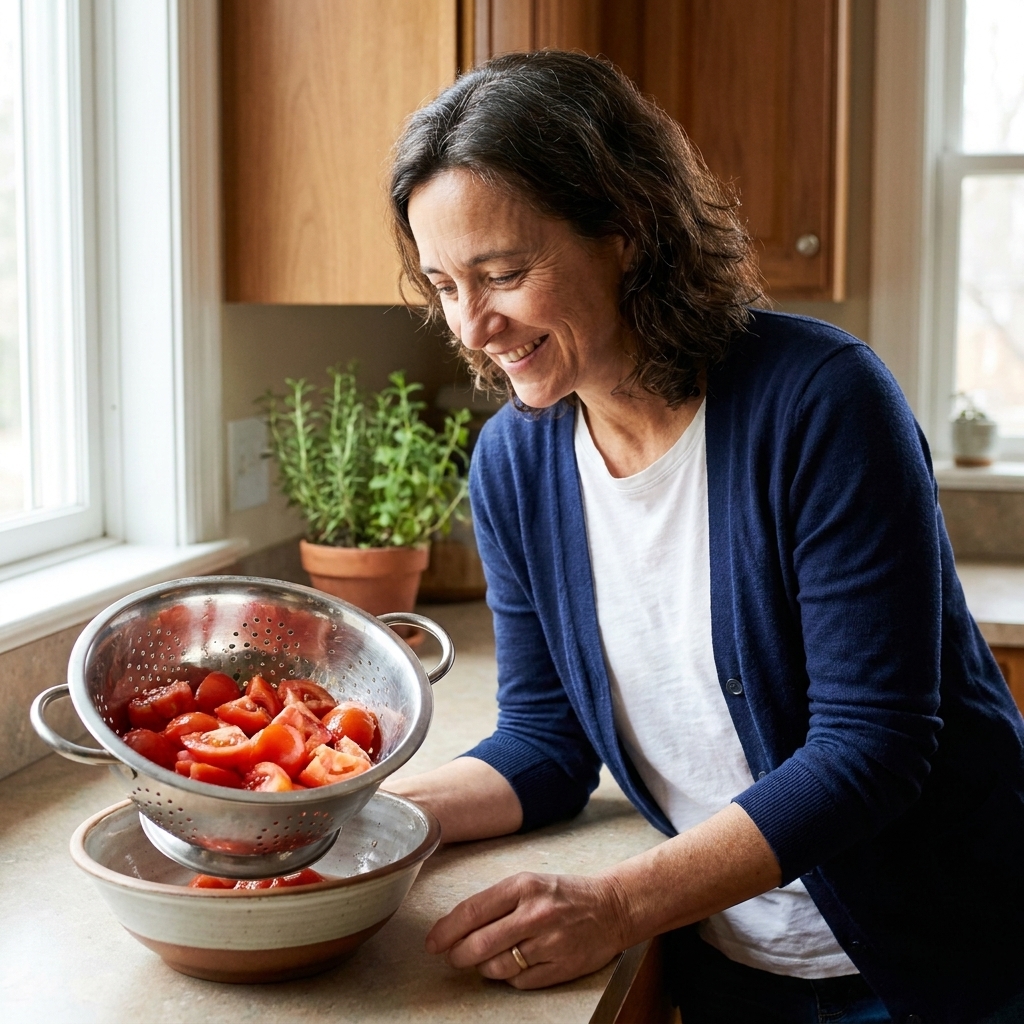
- For fresh tomatoes: Dice them, toss with a pinch of salt, and let them sit in a strainer for 10 to 15 minutes. You will be shocked how much liquid comes out.
- For canned tomatoes: Drain well. If you want maximum flavor, save a little of the liquid and add it back only if needed.
- For tomatillos: After boiling, drain and cool before blending. Boiled tomatillos hold a lot of water.
Taquería move
If your salsa is already blended and watery, pour it back into a saucepan and simmer on medium until it thickens slightly, 5 to 12 minutes. This concentrates flavor too.
2) Thicken without gumminess
Sometimes you do not want to cook down a salsa because you love that fresh, bright snap. In that case, thicken with ingredients that belong in Mexican salsa, not with flour or cornstarch.
- Add more solids: Another roasted tomato, a few more tomatillos, or a chunk of onion will naturally thicken the blend.
- Use rehydrated dried chiles: Guajillo, ancho, or pasilla adds body and a silky texture. Bonus: they also deepen flavor.
- Add roasted chile flesh: Roasting can drive off some moisture and also softens the pepper, so the salsa often feels thicker and less watery. The bigger win is still simple: more solids, less added liquid, and less overblending.
My tip: Blend in short pulses. You want it spoonable, not foamy.
3) Tame bitterness
Bitterness in salsa can sneak in fast, especially with charred ingredients. A little char tastes smoky and beautiful. A lot of char tastes bitter.
Common causes and fixes
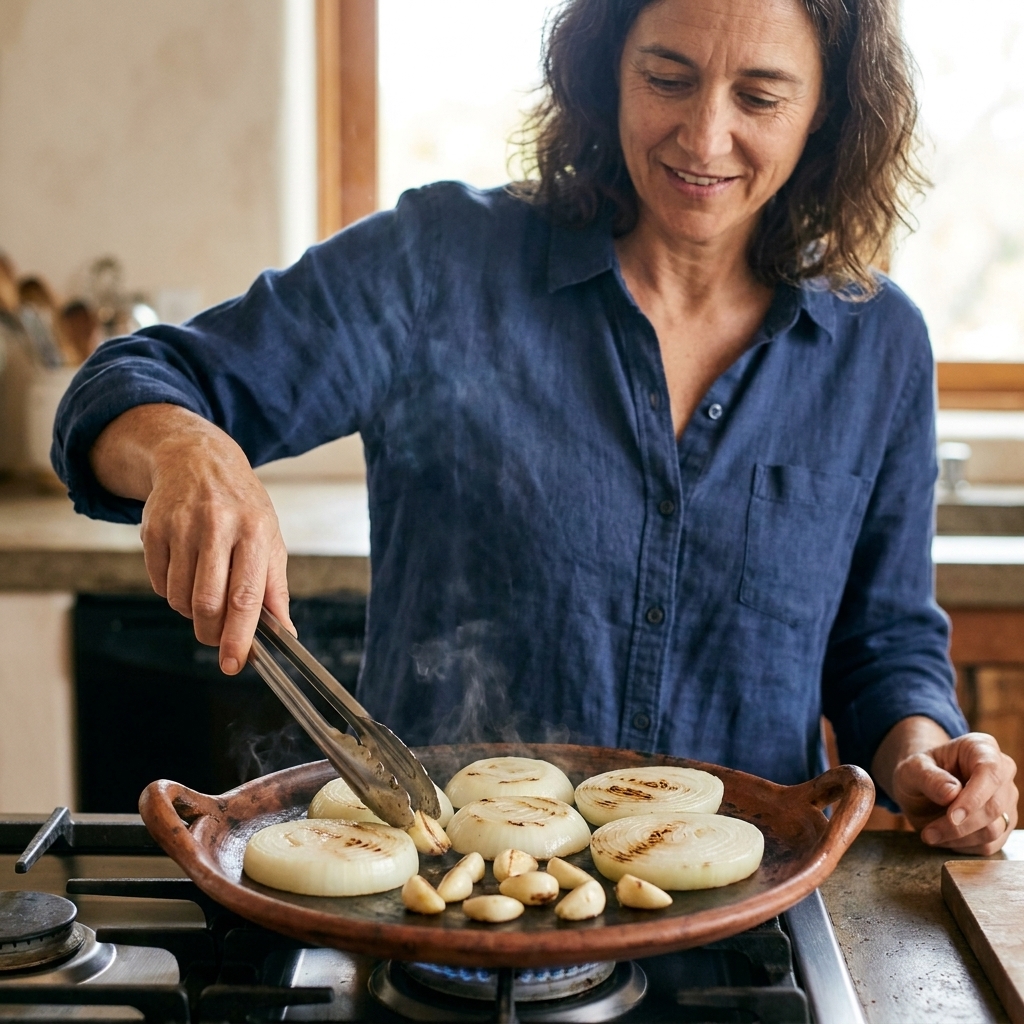
- Burned garlic: Garlic goes from golden to bitter in seconds. If your cloves turned dark brown or black, start over with fresh garlic.
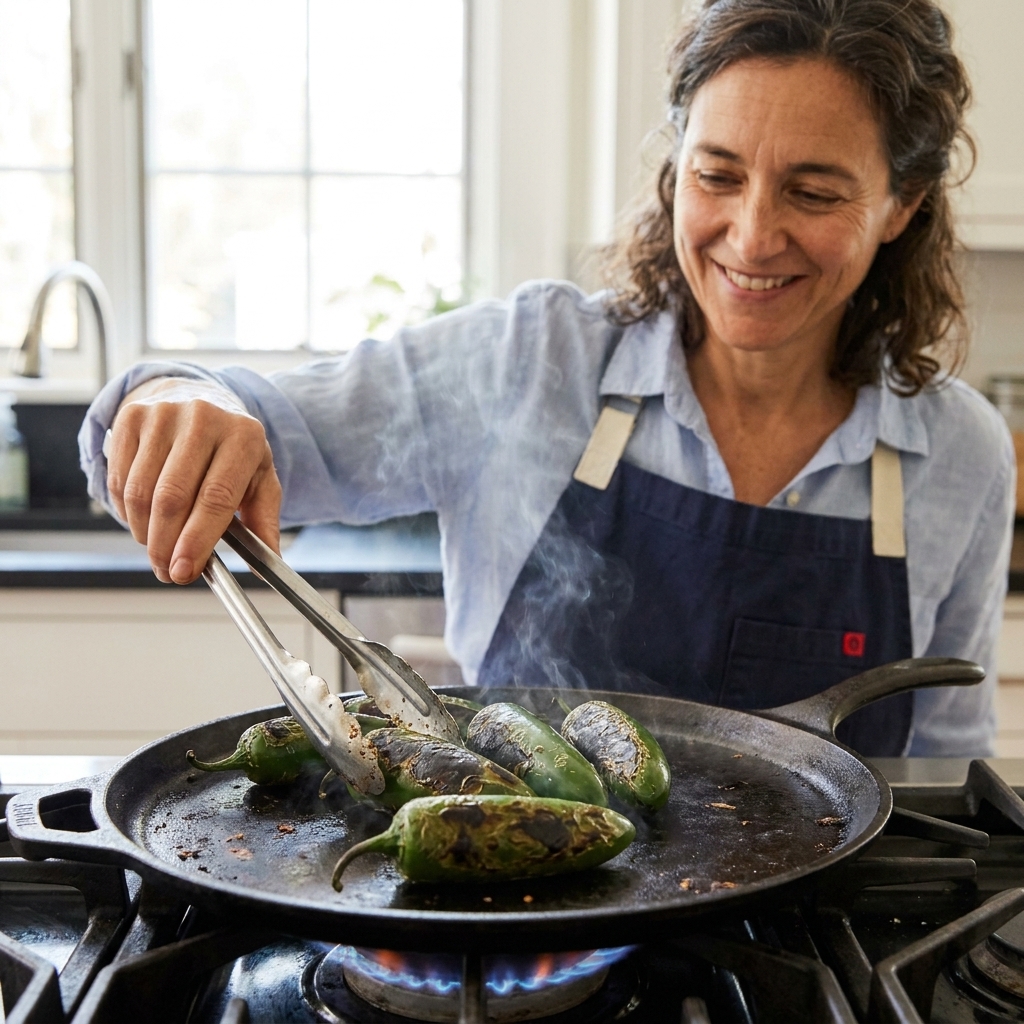
- Over-charred peppers: Black spots are fine. Fully carbonized, ash-black skin tastes bitter. If the pepper skin is truly burned, peel more of it off. You want blistered, not charcoal.
- Tomatillo sharpness: Boiling tomatillos too long can turn the flavor sharp and slightly bitter. Simmer about 5 to 10 minutes, until they shift to a more olive-green color and are just tender, then drain well.
- Too many seeds and membranes: Jalapeño and serrano heat is great, but the inner ribs can read bitter and harsh in large amounts. For a smoother salsa, remove some (not necessarily all).
Rescue trick: Add a little more roasted tomato (for red salsa) or a little more cooked tomatillo (for salsa verde) to dilute bitterness, then re-salt.
4) Fix bland salsa
I know “add salt” sounds too simple, but salsa is one of those foods that absolutely depends on proper seasoning. If it tastes flat, it is usually because the salt is low or the balance of salt and acid is off.
Start here
- Salt in steps: Add a pinch, blend or stir, taste, repeat. Stop when flavors pop, not when it tastes salty.
- A rough guide: For about 2 cups of salsa, start with 1/2 teaspoon kosher salt (less if you use fine table salt), then adjust to taste. Tomatoes vary, so this is only a starting line.
- Add acid last: A squeeze of fresh lime wakes everything up. If you only have bottled lime or no lime at all, a small splash of white vinegar works, but start smaller and creep up.
- Boost chile flavor, not just heat: Add a bit more roasted jalapeño or serrano for freshness, or a small piece of rehydrated guajillo for depth.
Kitchen reality: Cold salsa tastes duller than room temperature salsa. Taste again after it sits 10 minutes.
5) Soften raw onion and garlic
Raw onion and garlic can taste spicy and aggressive, especially in a simple salsa with just a few ingredients. Many taquerías and home cooks mellow those flavors with technique, not by removing them completely.
- Rinse raw onion: After chopping, rinse quickly under cold water and shake dry. It softens the bite, but it also rinses away a little sharpness, so do it only if the onion is really yelling at you.
- Soak onion in lime: Toss chopped onion with lime juice and a pinch of salt for 5 minutes before blending or stirring in.
- Char the onion and garlic: If you want deeper flavor, roast or char them on a comal. It turns sharp into sweet-savory.
If your salsa already tastes too oniony, blend in more tomato or tomatillo, then correct salt and lime.
6) Fix salsa that is too spicy
When salsa is too hot, most people add water. That makes it thinner and often even blander. Instead, calm the heat by adding ingredients that belong there.
- Add more base: Another roasted tomato or another tomatillo is the cleanest fix.
- Add fat gently: For creamy-style salsas, blend in a small piece of avocado or a spoonful of Mexican crema. Not for every salsa, but amazing when it fits.
- Add sweetness carefully: If a salsa is both too spicy and too bitter, a tiny pinch of sugar or a small piece of ripe mango can round edges. Do not make it sweet. Just soften the corners.
Prevention tip: Chile heat can intensify as salsa sits, especially overnight. Taste and adjust before you serve it.
7) Add taquería depth
If your salsa tastes fresh but not restaurant good, you are missing depth. That depth usually comes from heat: roasted tomatoes, toasted chiles, charred onion, or a quick simmer.
Three easy upgrades
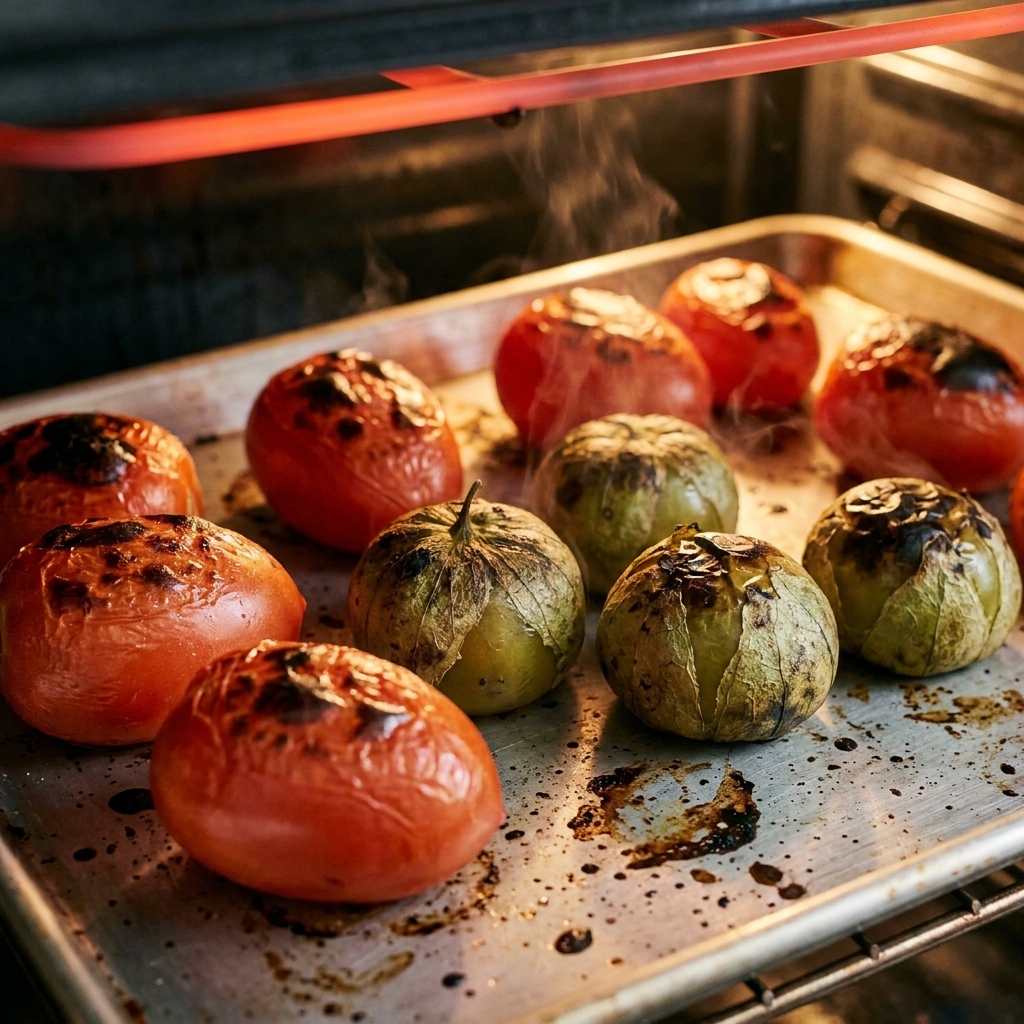
- Roast your tomatoes or tomatillos: Broil until blistered and juicy, then blend. This adds sweetness and body.
- Toast dried chiles: Just a few seconds per side on a hot pan, then rehydrate. This makes the flavor taste rounder and more complex.
- Bloom spices in oil: If your salsa includes cumin or oregano, warming them briefly in a teaspoon of oil before blending makes the aroma stronger.
This is the moment where your salsa starts tasting like it came from a real taco stand, even if you are in your kitchen in sweatpants.
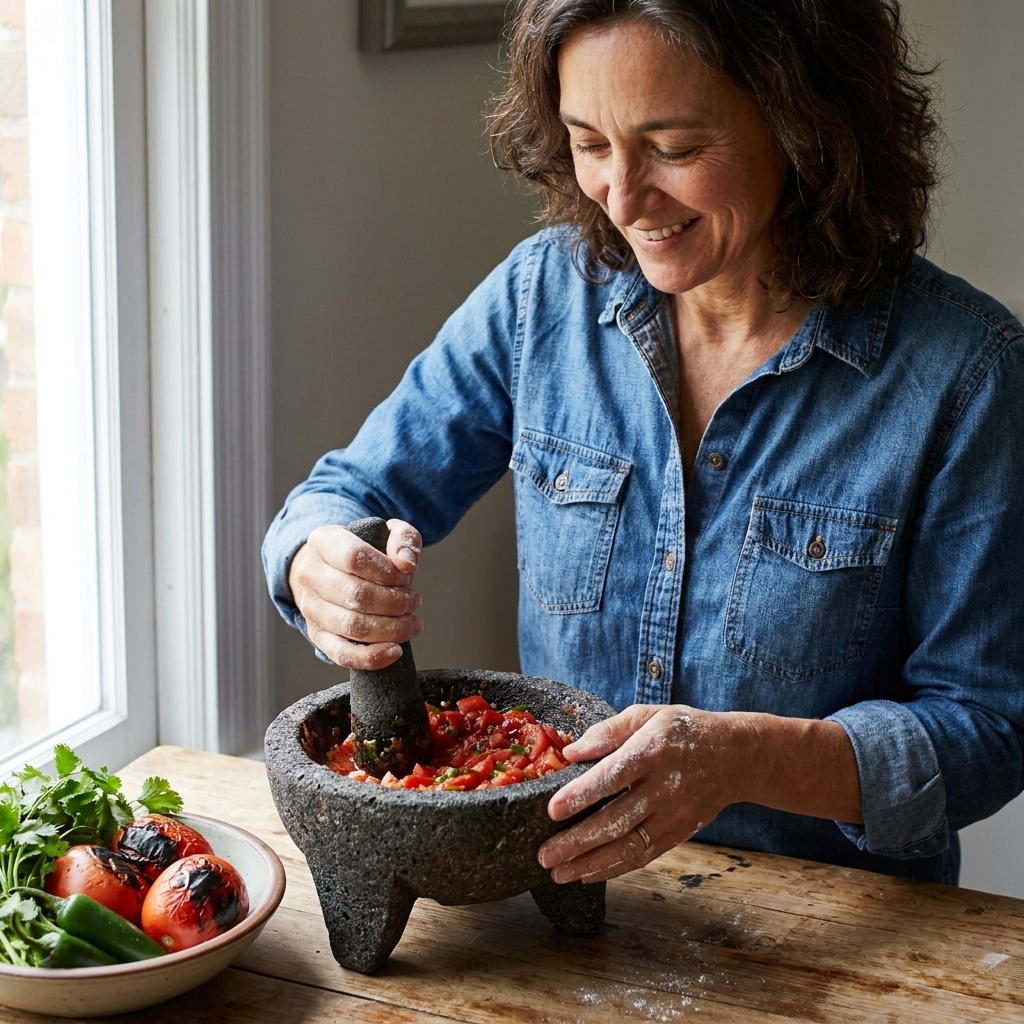
Blender vs molcajete
A molcajete naturally crushes instead of pureeing, so you get a thicker salsa with little pops of texture. If you are using a blender or food processor, you can get close.
- Pulse, do not liquefy: Short pulses keep salsa from turning foamy and thin.
- Let it rest: Ten minutes on the counter helps the bubbles settle and the flavors blend.
- Drain first: This matters even more with a blender, since it breaks ingredients down so efficiently.
60-second checklist
- Too watery? Drain, then simmer to concentrate.
- Too bitter? Check for burned garlic or over-char, peel more skin, dilute with more tomato or tomatillo.
- Too bland? Add salt in pinches, then lime. Consider more chile for flavor.
- Too sharp? Rinse, soak, or char onion and garlic.
- Too spicy? Add more base ingredients, not water.
FAQ
How do I thicken salsa without cooking it?
Drain juicy ingredients first, then blend in more solids like roasted tomato, tomatillo, or onion. Rehydrated dried chiles also add body without needing a long simmer.
Why does my salsa taste bitter after roasting?
Usually it is burned garlic or overly blackened pepper skins. Black spots are fine, but fully burned skin tastes bitter. If it already tastes bitter, peel more skin off and blend in more roasted tomato or tomatillo to balance it.
Can I fix salsa that tastes flat even though it is spicy?
Yes. Heat is not the same as flavor. Add salt in small pinches, then a squeeze of lime. If it still tastes flat, add a bit more roasted chile for flavor or a small piece of rehydrated guajillo.
Should salsa be better the next day?
Most salsas taste better after a few hours because the salt and acid have time to move through everything. Just remember that chile heat can intensify overnight, so taste and adjust before serving.
How long does homemade salsa last?
For a fresh, uncooked salsa, refrigerate and try to use it within 3 to 5 days. If you simmer the salsa and store it cold in a clean, sealed container, it often keeps closer to 5 to 7 days. If it smells off, looks fizzy, or tastes oddly yeasty, throw it out.
Do I add lime to salsa verde?
Tomatillos already bring a lot of acidity, so add lime carefully and only after salting. Sometimes salsa verde needs more salt more than it needs more lime.