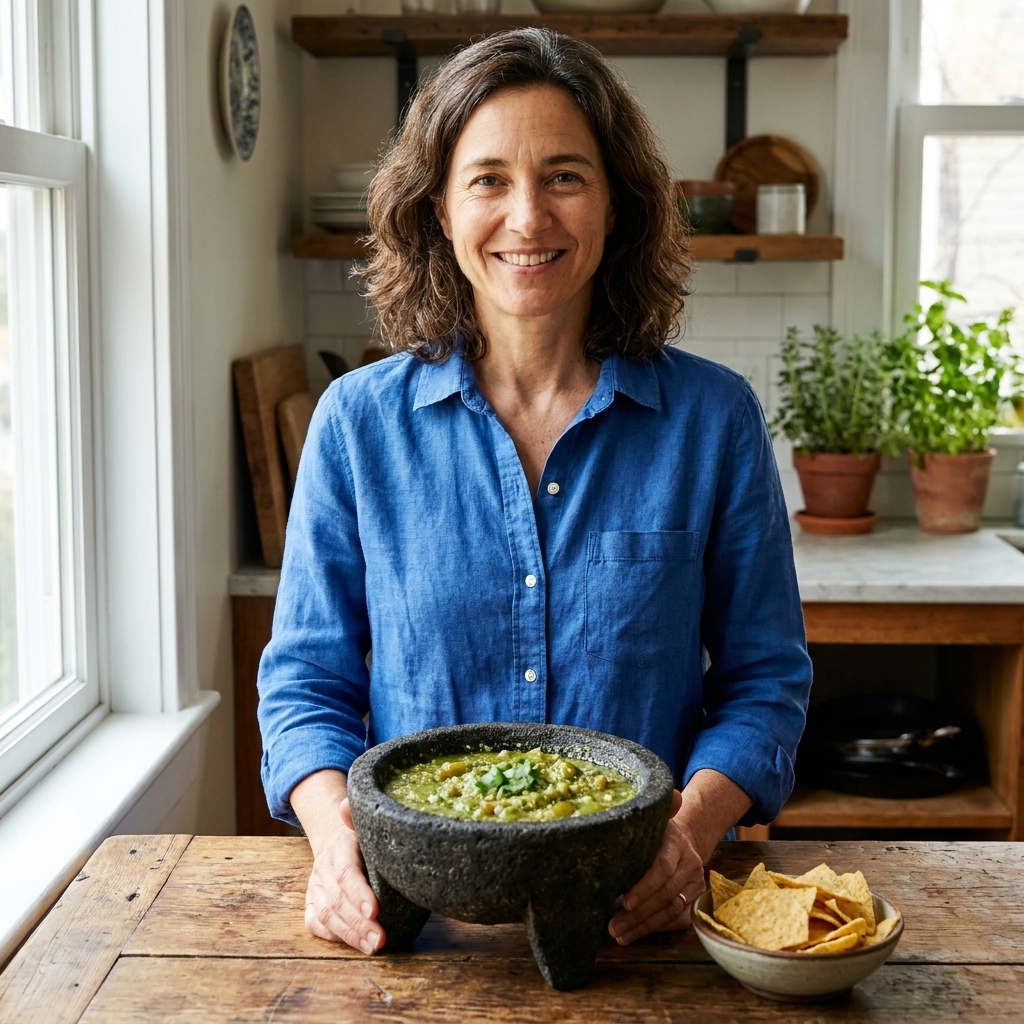
Learn Elena Valdés’ family-style chicken enchiladas rojas with a smooth dried-chile red sauce, tender shredded chicken, and tortilla tips for real flavor.
The Mexi Plate
Enchiladas Verdes vs. Rojas

Elena Valdés
Elena Valdés is a Mexican-American home cook and the culinary heart behind MexiPlate. Inspired by the bustling kitchens of her childhood in Jalisco and Texas, she specializes in translating authentic Mexican flavors into approachable recipes for everyday cooks. Whether she is sharing her grandmother's secret for the perfect tamale masa or a quick 30-minute weeknight enchilada bake, Elena believes that good food is the best way to bring people together.
Published October 17, 2026
Updated October 17, 2026
If you have ever stood in your kitchen holding a stack of warm tortillas thinking, “Okay… green or red?” you are in excellent company. In my family we did both, depending on the day, the mood, and what we had in the fridge. Enchiladas verdes get their bright, tangy backbone from tomatillos. Enchiladas rojas lean into the deep, toasty world of dried chiles. Both are classic. Both are worth mastering. And once you understand what makes each sauce tick, pairing them with your favorite fillings becomes almost automatic.
At a glance: green vs. red
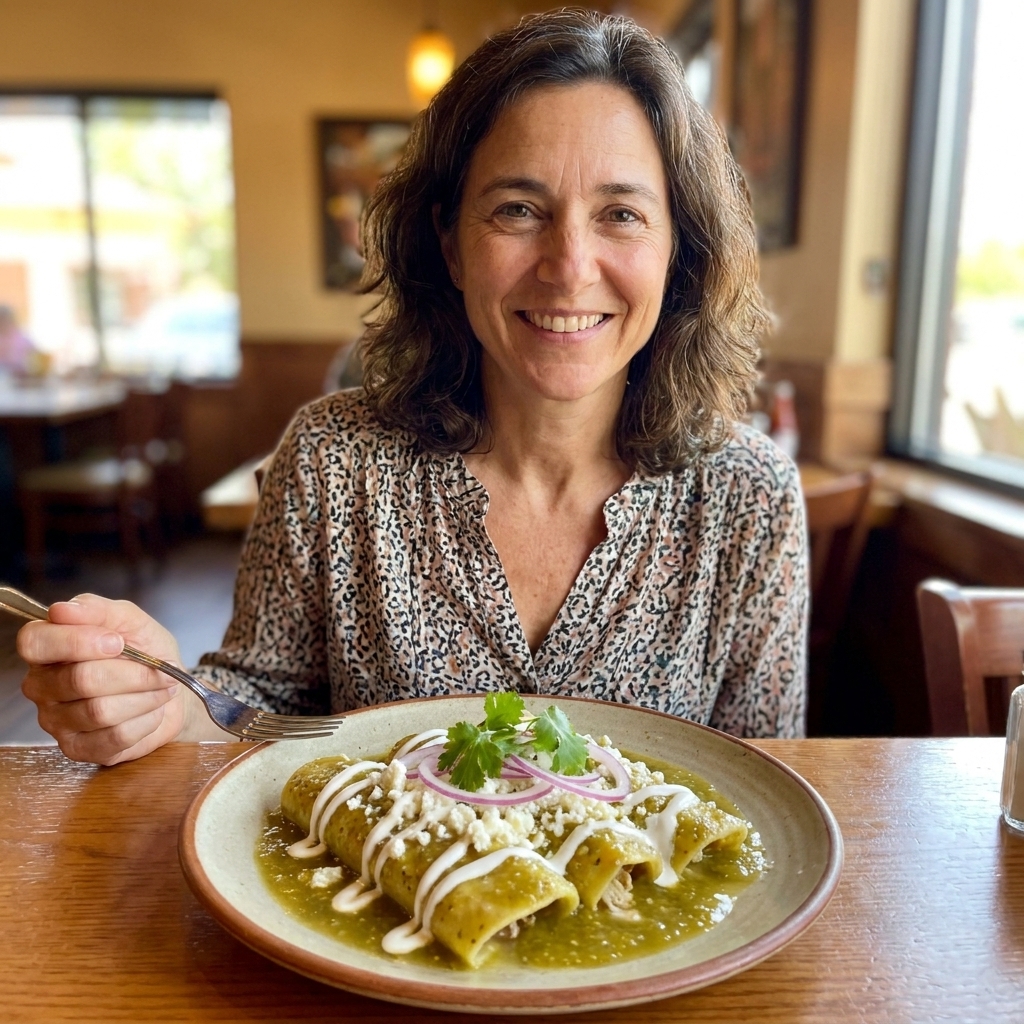
- Verdes: tomatillo-based, tangy, fresh, often herbal (cilantro), usually lighter on the palate
- Rojas: dried chile-based, richer, toastier, sometimes a little smoky, usually deeper and rounder in flavor
- Heat: either can be mild or spicy, depending on the chiles you choose
- Best shortcut: if you want bright and zippy, go green. If you want bold and roasty, go red.
Enchiladas verdes: what makes them green
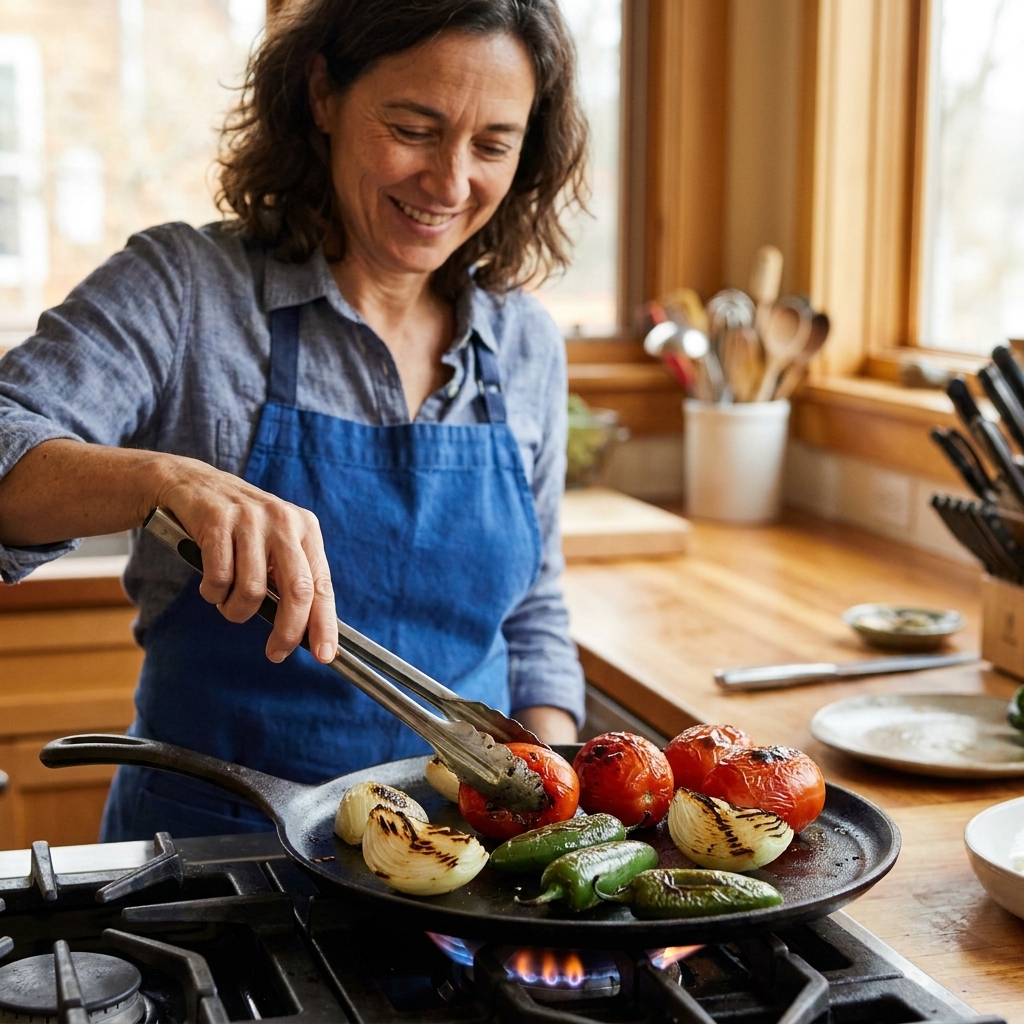
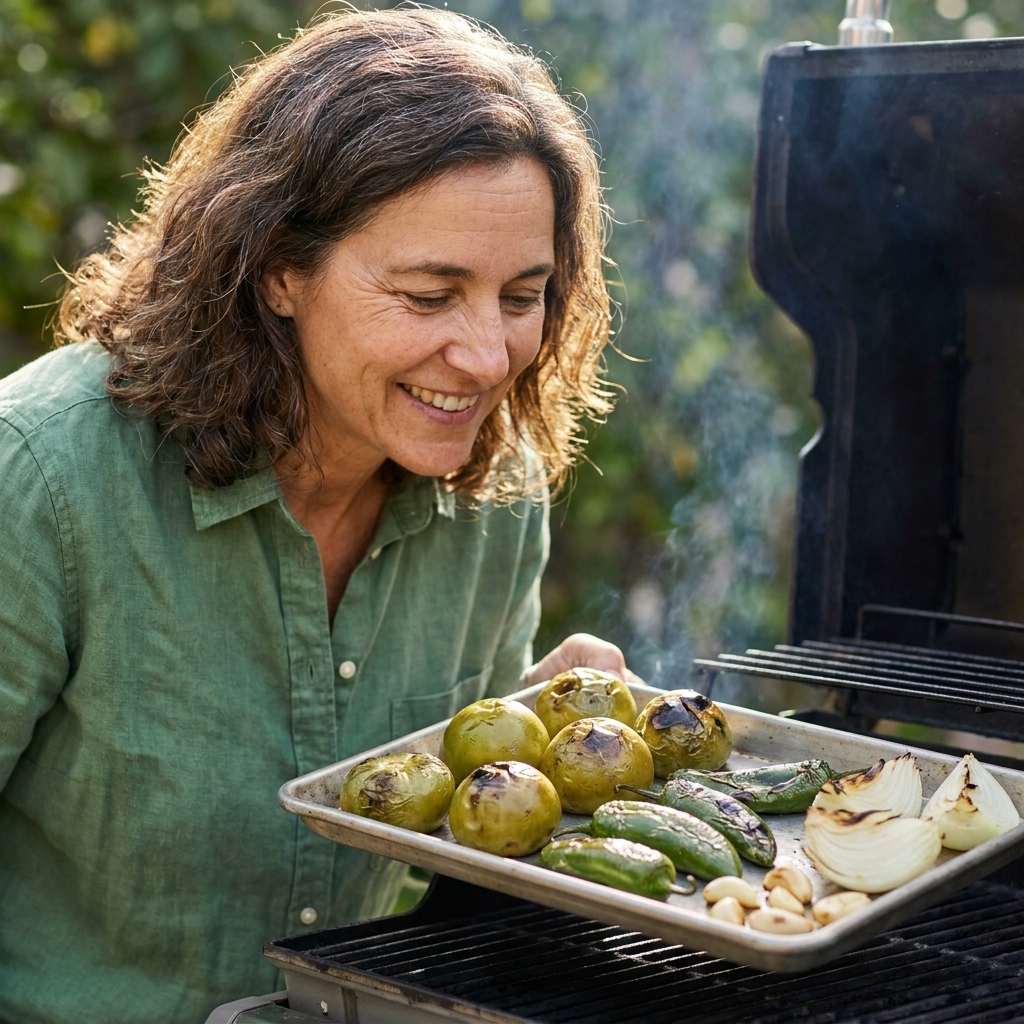
Most salsa verde for enchiladas is built on tomatillos, not green tomatoes. Tomatillos are tart and a little fruity, and when you roast or boil them, they turn into that signature silky sauce that clings to tortillas. (That said, there are plenty of green enchilada-style sauces that get their color from poblanos, herbs, or even avocado. The tomatillo version is simply the one many of us mean by “verdes.”)
Typical ingredients
- Tomatillos (roasted or boiled)
- Green chiles (serrano or jalapeño, sometimes poblano)
- Onion and garlic
- Cilantro
- Salt
- Optional: a little chicken broth to thin, Mexican crema to mellow, or epazote if you have it
Flavor profile
Think tangy, bright, and savory. Roasting gives you a little sweetness and depth, boiling keeps things extra clean and punchy. A handful of cilantro at the end makes the whole sauce taste alive.
Regional feel
Across Mexico you will find versions of enchiladas verdes, and they often feel especially at home in central Mexico, where tomatillos and fresh herbs show up constantly on the table.
Enchiladas rojas: what makes them red
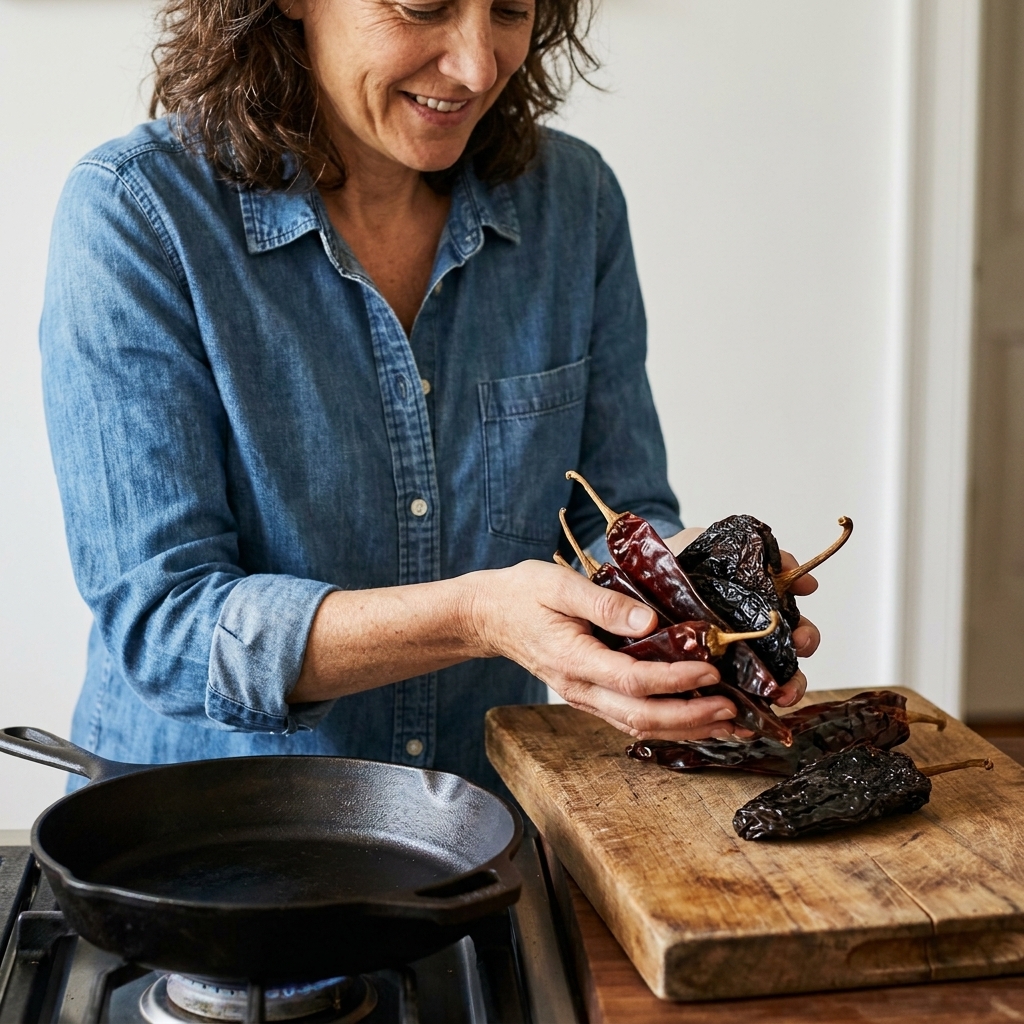
Enchiladas rojas get their color and soul from dried red chiles. You toast them briefly, soak them, then blend them into a sauce that tastes like pure comfort. Some versions are simple and chile-forward, others include tomato, warm spices, or extra body from toasted sesame or pepitas (pumpkin seeds).
Typical ingredients
- Dried chiles such as guajillo (mild), ancho (sweet and raisiny), pasilla (earthy), árbol (hot)
- Garlic and onion
- Tomato or a bit of tomato sauce (optional but common)
- Mexican oregano, cumin, clove, or bay leaf (use a light hand)
- Salt
- Broth or soaking liquid to blend
Flavor profile
Expect toasty, rich, and complex. The sauce can be mild and velvety (guajillo and ancho), or sharp and spicy (add árbol). The biggest difference from green is that red sauce often tastes rounder and more roasted, even when it is not actually spicy.
Heat levels: mild to spicy
One of the biggest myths is that green is always spicy and red is always mild, or the other way around. The truth is: the chile choice decides the heat.
Make verdes milder
- Use jalapeño instead of serrano
- Remove the ribs (and any seeds) before blending
- Add crema or a little extra onion while blending
Make verdes spicier
- Use serrano, or add an extra
- Blend in a roasted poblano for flavor plus a serrano for heat
Make rojas milder
- Use mostly guajillo and/or ancho
- Skip árbol chiles entirely
- Strain the sauce for a smoother, milder texture
Make rojas spicier
- Add árbol chiles one at a time
- Toast chiles quickly, but do not burn them (burnt chiles taste bitter, not spicy)
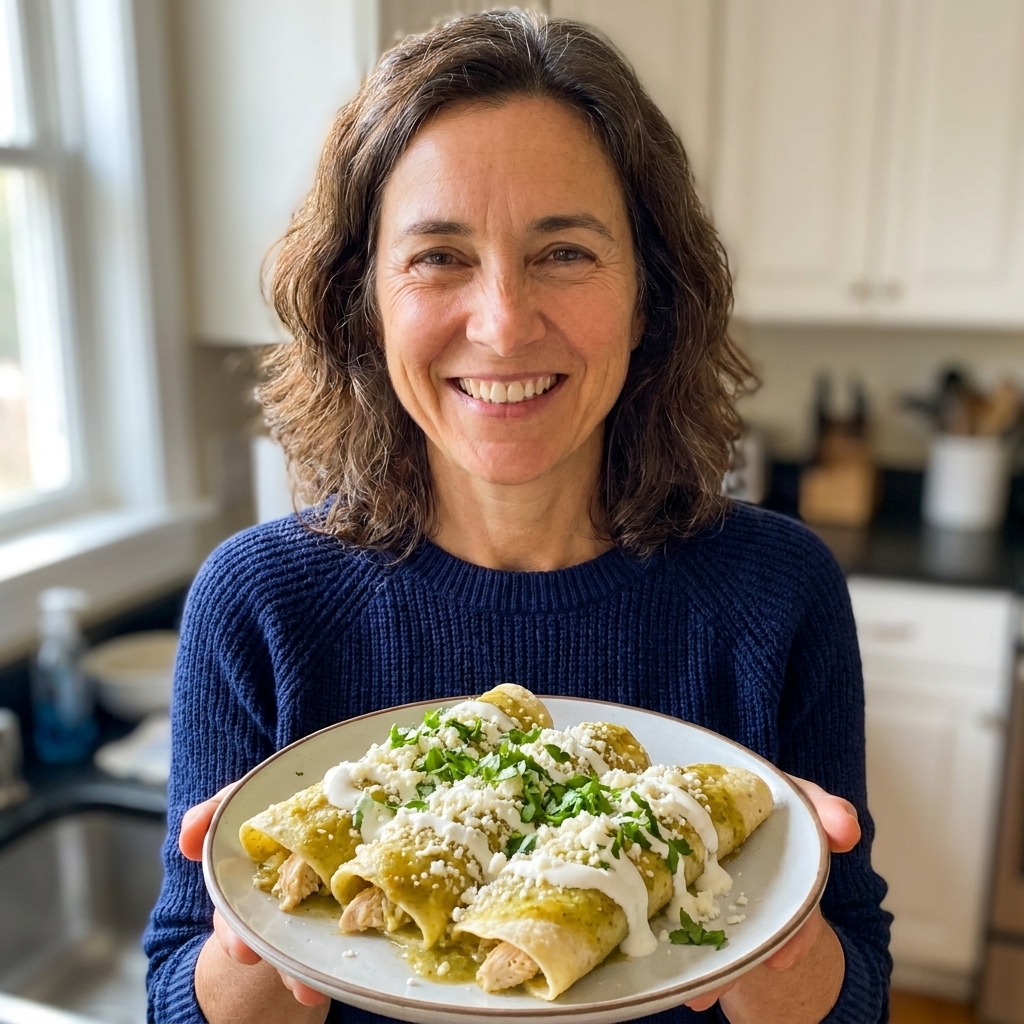
Best fillings for verdes
Green sauce loves fillings that benefit from a little brightness. When the sauce is tangy, it makes rich ingredients feel lighter and keeps you coming back for another bite.
- Chicken: the classic. Shredded rotisserie chicken works beautifully.
- Cheese: melty Oaxaca or queso asadero inside, queso fresco on top.
- Roasted veggies: zucchini, sautéed mushrooms, spinach, or roasted poblano strips.
- Beans: black beans or peruano beans, especially with a sprinkle of cotija.
- Pork: shredded carnitas with salsa verde is celebration food.
My topping picks
- Mexican crema
- Thin-sliced white onion
- Cilantro
- Queso fresco or cotija
- Avocado slices
Best fillings for rojas
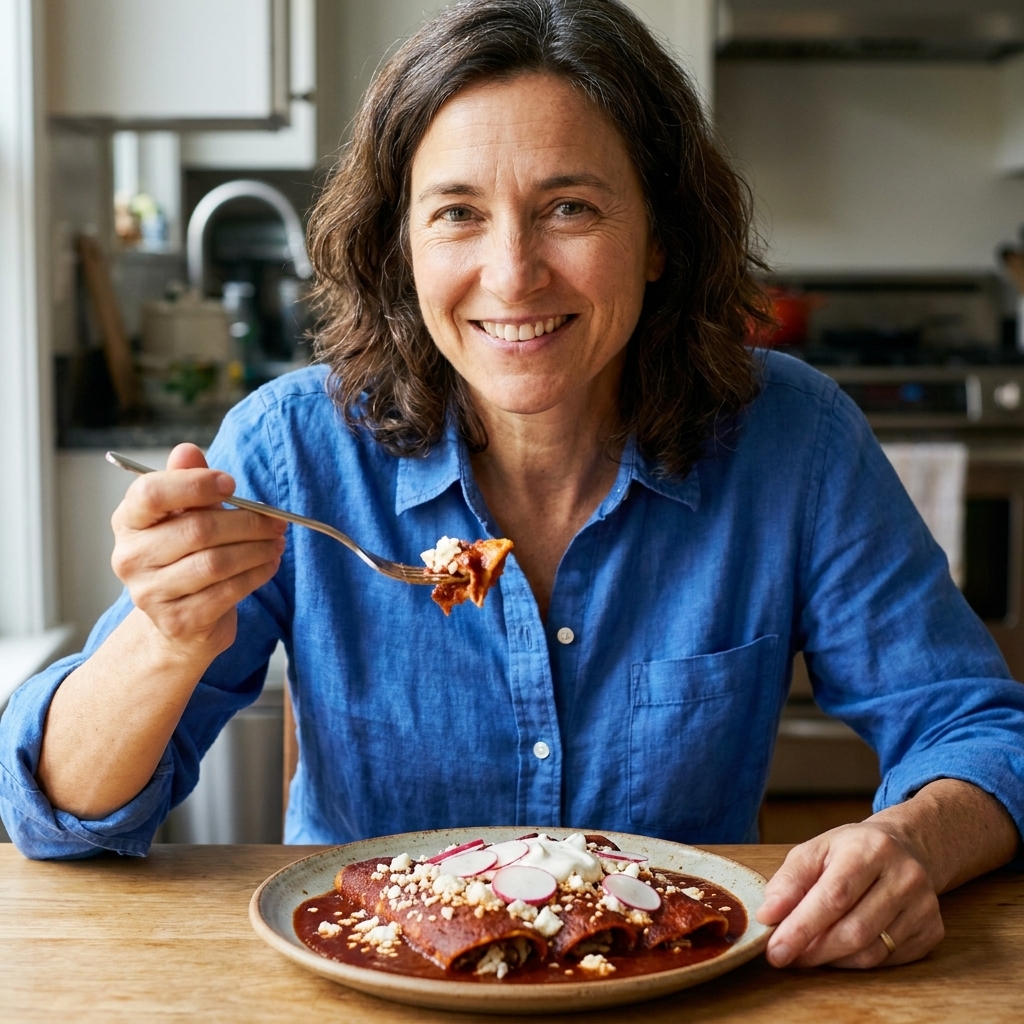
Red sauce is where you go when you want something deeper and more “Sunday dinner.” It pairs especially well with hearty fillings and cheeses that can handle a richer sauce.
- Beef: shredded beef, picadillo, or even leftover barbacoa.
- Chicken: also fantastic, especially if the sauce includes guajillo and a bit of tomato.
- Cheese: queso fresco on top, but consider panela or queso asadero inside for structure and melt.
- Potato and chorizo: one of my favorite budget-friendly, extremely satisfying fillings.
- Beans: refried beans make rojas feel extra comforting and filling.
My topping picks
- Shredded lettuce or cabbage for crunch
- Crema or a light sprinkle of crumbled cheese
- Sliced radishes
- Pickled red onions
Tortillas and technique
Whether you go green or red, the tortilla is the make-or-break moment. You want pliable tortillas that do not tear once sauced.
Corn tortillas are common
In many Mexican kitchens, enchiladas are made with corn tortillas. Flour tortillas can work in a pinch, but they read more like a baked casserole and can get gummy.
To fry or not to fry
In parts of Mexico, tortillas are lightly fried first, just a few seconds per side. That quick fry helps them hold up to sauce. If you prefer a lighter approach, warm them on a comal and dip quickly in warm sauce, then fill and roll.
- For verdes: warm the salsa and do a quick dip so the tortillas stay tender
- For rojas: a quick fry helps, especially if your sauce is thick, but dipping in warm red sauce is also common in some households
Strain or not?
For red sauce, straining is more common because dried chile skins can leave tiny bits. For green sauce, straining is optional. If you roast well and blend thoroughly, it is usually smooth enough.
Bake or skip the oven
Not all enchiladas are baked. Many are assembled with warm sauce and served right away, especially when the filling is already hot. Baking is great for melting cheese and bringing everything together, but it will soften tortillas more, so keep the bake time short.
How to choose for dinner
If you are still stuck, here is how I decide in real life:
- I want something bright: verdes with chicken, crema, and cilantro.
- I want deep comfort: rojas with potatoes and chorizo, or beef.
- I have lots of fresh herbs and limes: verdes.
- I have a bag of dried chiles in the pantry: rojas.
- I am feeding spice-sensitive guests: either one, but build it mild and serve salsa macha or chile de árbol on the side for the heat lovers.
Smart swaps
I am all for doing it the traditional way, but I am also here for weeknight reality. Here are swaps that keep the spirit of the dish intact.
For salsa verde
- No tomatillos: use a good quality jarred salsa verde and brighten it with fresh cilantro and a squeeze of lime.
- No serranos: jalapeños work, or even a small can of diced green chiles for a milder option.
- No crema: thin sour cream with a splash of milk and a pinch of salt.
For salsa roja
- No guajillo: a mix of ancho plus a little paprika can get you close in color and warmth, though the flavor will be different.
- No dried chiles at all: choose the best canned red enchilada sauce you can find, then simmer it with sautéed onion and garlic to round out the flavor.
- No Mexican oregano: marjoram is the closest; use less Mediterranean oregano since it can take over.
Serving ideas
In my house, enchiladas rarely show up alone. Pair them with something fresh and something cozy.
- With verdes: arroz verde, simple black beans, a crunchy cabbage salad with lime
- With rojas: Mexican rice, refried beans, nopales salad, or a cucumber and orange side
- Drinks: agua fresca (jamaica for rojas, pepino-limón for verdes) or sparkling mineral water with lime
FAQ
Is salsa verde the same as green enchilada sauce?
They are close cousins. Salsa verde becomes enchilada sauce when it is blended smoother and usually simmered so the flavor mellows and the texture coats tortillas nicely. Some cooks also add broth or a little crema for a more spoonable sauce.
Is red enchilada sauce always made from tomatoes?
No. Many enchilada roja sauces are driven mainly by dried chiles, with tomato used as an optional helper for sweetness and body. The chile flavor should still be the star.
Which one is more authentic?
Both. “Authentic” depends on region and family. If you grew up with tomatillo sauce, verdes will taste like home. If you grew up with guajillo and ancho simmering on the stove, rojas will be your comfort food.
Can I make both sauces ahead?
Yes, and I highly recommend it. As general guidance, both sauces keep well in the fridge for about 4 to 5 days when cooled quickly and stored airtight. They also freeze well for up to 3 months. Freeze in flat bags or portioned containers so you can thaw just what you need.
My enchiladas turned soggy. What happened?
Usually it is one of three things: the tortillas were not warmed first, the sauce was too thin, or the enchiladas baked too long. Warm tortillas before rolling, simmer your sauce until it lightly coats a spoon, and bake just until heated through.
Why does queso fresco not melt?
Queso fresco is meant to crumble, not stretch. It is a fresh cheese with a higher moisture content and a different protein structure than melting cheeses like Oaxaca or queso asadero, so it softens but does not turn gooey. Use it for salty finish on top, and choose a melty cheese for the filling.
A final note
If you are learning, start with the sauce that matches your personality in the moment. If you love bright, fresh flavors, go green. If you crave deep, chile-rich comfort, go red. And if you cannot decide, do what my family did: make a big pot of beans, warm a stack of tortillas, and let everyone build their plate at the table.