A warm, step-by-step guide to authentic cajeta de leche de cabra: its history, how it’s different from dulce de leche, and easy ways to drizzle, fill, and ...
The Mexi Plate
5 Essential Fillings for Sweet Mexican Empanadas

Elena Valdés
Elena Valdés is a Mexican-American home cook and the culinary heart behind MexiPlate. Inspired by the bustling kitchens of her childhood in Jalisco and Texas, she specializes in translating authentic Mexican flavors into approachable recipes for everyday cooks. Whether she is sharing her grandmother's secret for the perfect tamale masa or a quick 30-minute weeknight enchilada bake, Elena believes that good food is the best way to bring people together.
Published October 17, 2026
Updated October 17, 2026
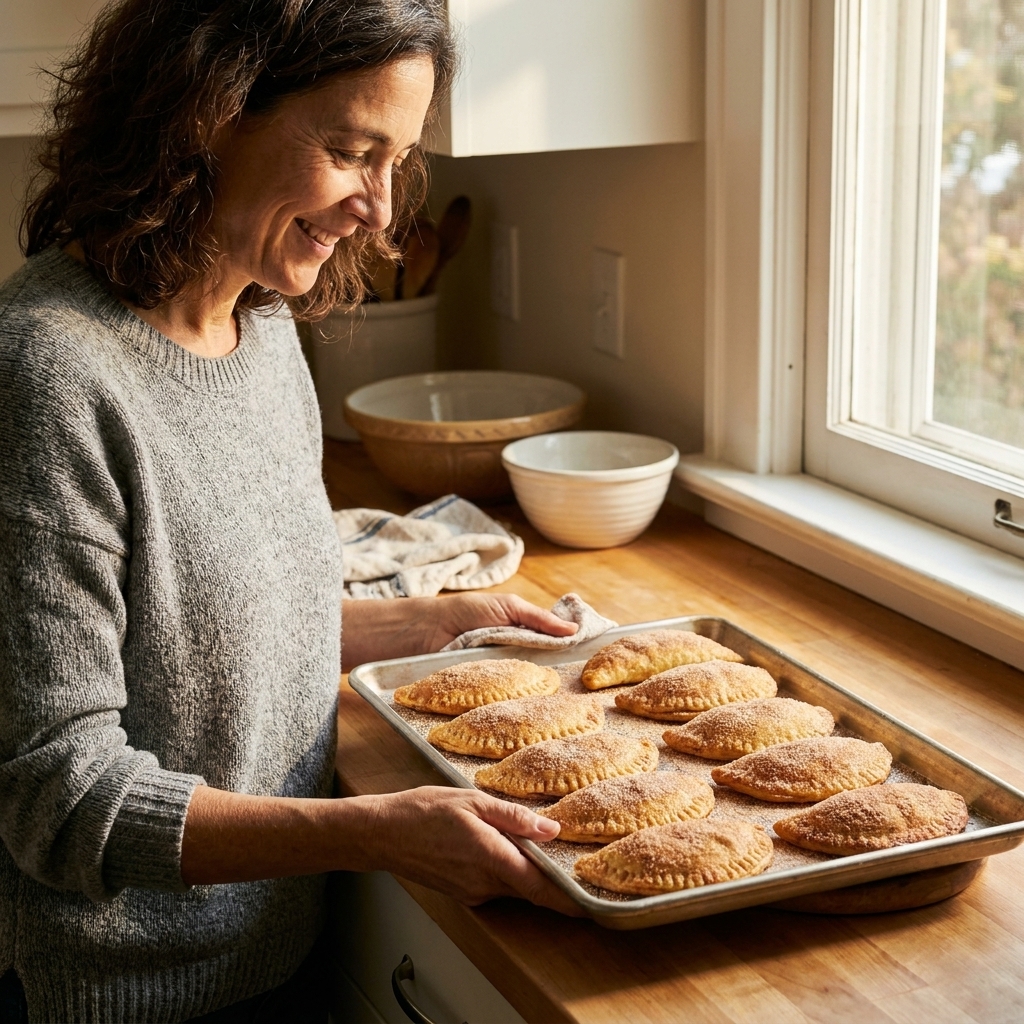
There is something magical about pulling a tray of sweet empanadas out of the oven. The kitchen smells like toasted dough and warm fruit, and suddenly everyone wanders in “just to check” if they are ready. In my family, empanadas were the dessert that bridged my two worlds: Jalisco-style fruit fillings at home, and cinnamon-sugar everything in San Antonio bakeries.
Below are five essential fillings I come back to again and again. They are traditional, beginner-friendly, and designed to be thick enough that they do not leak all over your baking sheet. Each recipe makes enough filling for about 10 to 12 medium empanadas, depending on how generously you fill them.
Before you start: great filling basics
- Thick, not runny: If it can pour, it will leak. You want a spoonable jam consistency.
- Cool before filling: Warm filling softens the dough and makes sealing harder.
- Small pieces: Big chunks poke through the dough. Dice fruit small or mash after cooking.
- Balanced sweetness: A pinch of salt and a little citrus make fruit taste brighter, not just sweeter.
My quick thickener rule: If your filling looks loose, simmer it 2 to 5 minutes longer. If it still needs help, add a cornstarch slurry (1 teaspoon cornstarch mixed with 1 tablespoon cold water) and simmer 30 to 60 seconds until glossy.
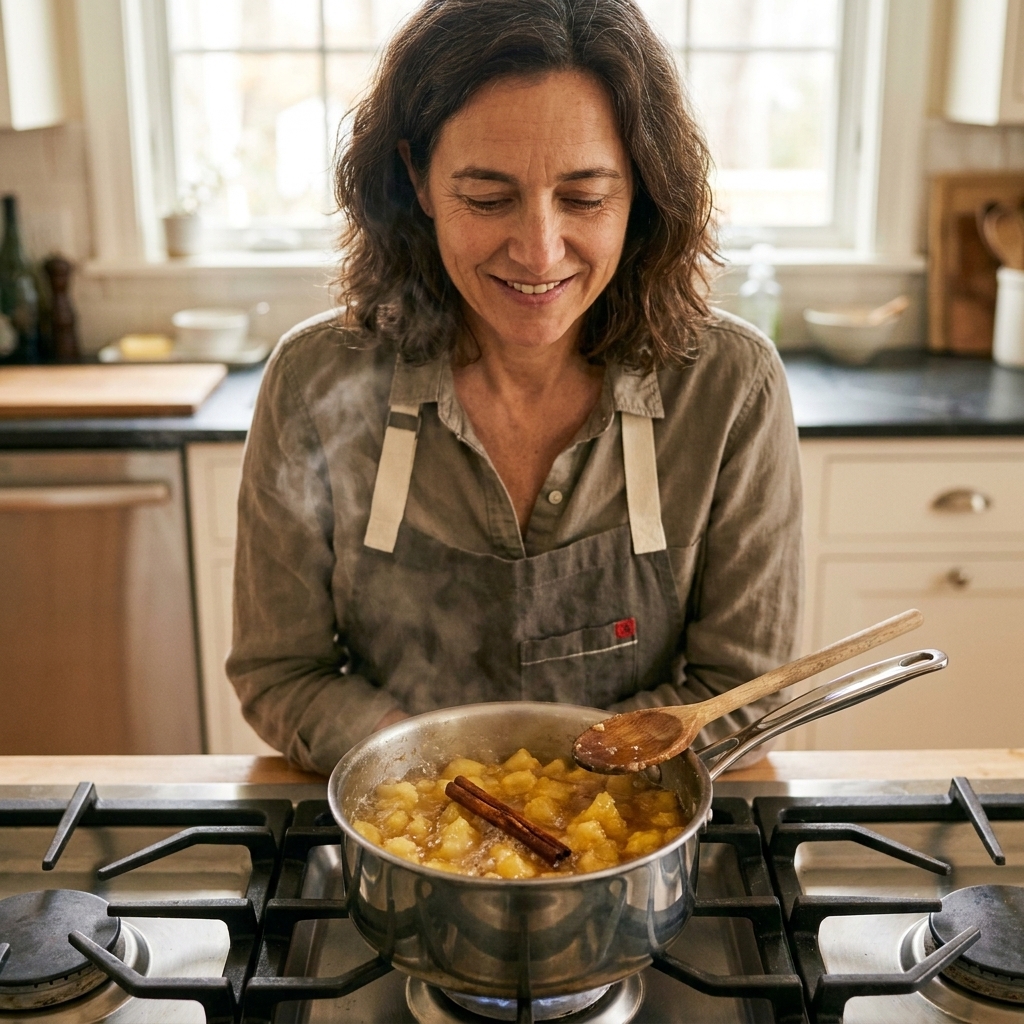
1) Pineapple (Piña)
This one tastes like panadería memories. Pineapple becomes almost candy-like when you simmer it with piloncillo or brown sugar, and the lime keeps it from turning flat-sweet. It is especially good in buttery, baked empanadas.
Ingredients
- 3 cups finely diced pineapple (fresh is best, but canned works)
- 1/2 cup piloncillo grated or packed brown sugar
- 2 tablespoons water
- 1 cinnamon stick
- Pinch of salt
- 1 tablespoon lime juice (plus zest if you like)
- 1 to 2 teaspoons cornstarch (optional, as needed)
Method
- Combine pineapple, piloncillo, water, cinnamon stick, and salt in a saucepan.
- Bring to a simmer over medium heat, then reduce to medium-low and cook 12 to 18 minutes, stirring often, until the pineapple is translucent and the mixture thickens.
- Remove cinnamon stick. Stir in lime juice (and zest).
- If it is still runny, add 1 teaspoon cornstarch slurry (see note above) and simmer 30 to 60 seconds.
- Cool completely before filling empanadas.
Elena’s tips
- Using canned pineapple: Drain well, then chop smaller. You may need less cook time.
- Flavor boost: A tiny pinch of ground clove makes it taste like a bakery filling, but keep it subtle.
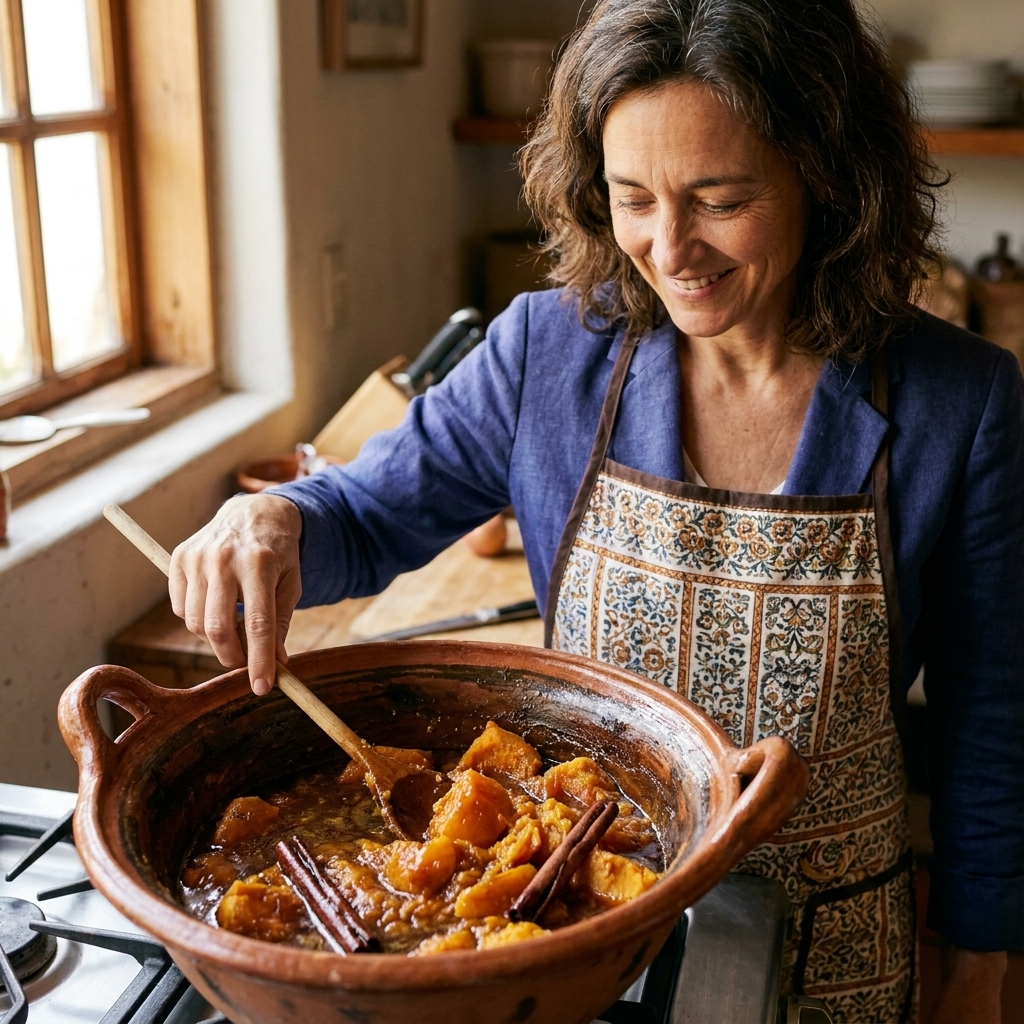
2) Sweet pumpkin (Calabaza)
In Jalisco, calabaza en tacha is a classic: pumpkin (or calabaza) cooked low and slow with piloncillo and cinnamon until it turns glossy and caramel-dark. For empanadas, I make a thicker, mashable version that stays put inside the dough.
Ingredients
- 3 cups pumpkin or kabocha squash, peeled and diced small (about 1/2-inch)
- 3/4 cup piloncillo grated or packed brown sugar
- 1/3 cup water
- 1 cinnamon stick
- 1 strip orange peel (optional)
- Pinch of salt
- 1/2 teaspoon vanilla extract
Method
- Add pumpkin, piloncillo, water, cinnamon, orange peel (if using), and salt to a saucepan.
- Cover and cook over medium-low heat 15 to 20 minutes, stirring every few minutes, until the pumpkin is very tender.
- Uncover and mash with a fork or potato masher. Keep simmering 5 to 10 minutes, stirring often, until thick like a firm jam.
- Remove cinnamon stick and orange peel. Stir in vanilla.
- Cool completely before using.
Elena’s tips
- Best squash: Kabocha gives you the deepest flavor and creamy texture.
- Shortcut: In a pinch, use canned pumpkin puree, but simmer it with piloncillo and cinnamon until it is thick and spoonable.
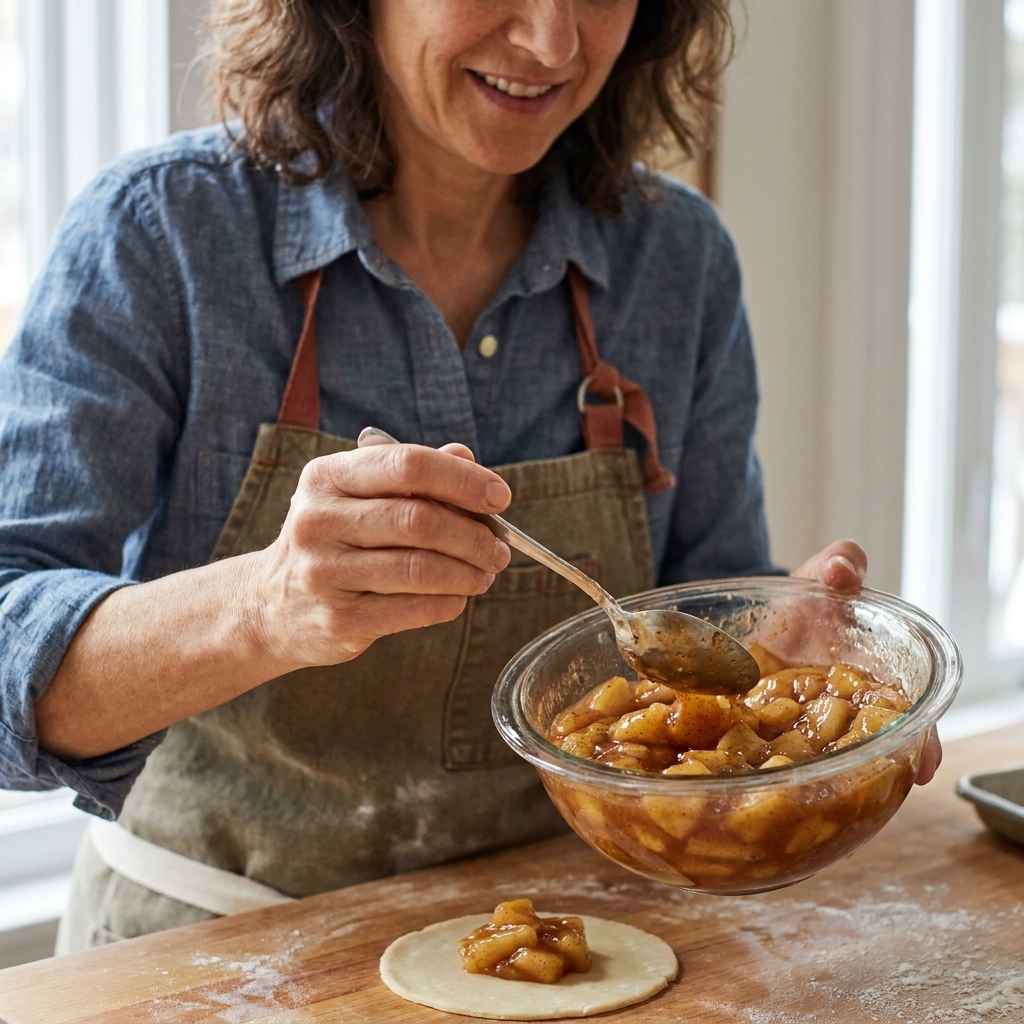
3) Apple cinnamon (Manzana)
This is the filling that wins over everyone, even the “I do not know about fruit empanadas” crowd. It is familiar, cozy, and perfect with a cinnamon-sugar finish. The key is cooking the apples until the syrup turns sticky and the cubes soften but do not disappear.
Ingredients
- 4 medium apples, peeled and diced small (about 3 cups)
- 1/2 cup sugar or light brown sugar
- 2 tablespoons butter
- 1 teaspoon ground cinnamon
- Pinch of salt
- 1 tablespoon lemon juice
- 1 teaspoon cornstarch mixed with 1 tablespoon cold water
- 1/2 teaspoon vanilla extract (optional)
Method
- Melt butter in a saucepan over medium heat. Add apples, sugar, cinnamon, and salt.
- Cook 8 to 12 minutes, stirring often, until apples soften and release juices.
- Stir in lemon juice. Add cornstarch slurry and simmer 1 minute until thick and glossy.
- Remove from heat and stir in vanilla, if using. Cool completely.
Elena’s tips
- Apple choice: Granny Smith holds shape, Honeycrisp tastes sweeter. A mix is my favorite.
- Want it more “pan dulce” style? Add a pinch of ground nutmeg and a tiny splash of milk at the very end for a softer, creamy vibe.
4) Guava and cream cheese (Guayaba)
If you love the flavor of guava pastries, this filling is your new best friend. It is inspired by the guayaba y queso pairing you see across Mexico and in Texas bakeries. The trick is keeping the guava part thick, then adding a small amount of cream cheese so it stays tucked inside the empanada instead of melting out.

Ingredients
- 8 ounces guava paste (pasta de guayaba), chopped
- 1/3 cup water or orange juice
- 4 ounces cream cheese, softened
- 1 to 2 tablespoons sugar (optional, to taste)
- 1/2 teaspoon lime juice
Method
- Add guava paste and water (or orange juice) to a saucepan over medium-low heat.
- Stir and mash as it warms until it becomes a thick, spreadable paste, 4 to 6 minutes. Remove from heat and cool to room temperature.
- In a bowl, mix softened cream cheese with sugar (if using) and lime juice.
- To fill empanadas, use about 1 tablespoon guava mixture plus 1 to 2 teaspoons cream cheese mixture per empanada. Keep it centered.
Elena’s tips
- No guava paste? Thick guava jam can work, but simmer it down first so it is not runny.
- Extra neat seals: Chill the guava mixture 20 minutes so it is less sticky when spooning.
5) Cajeta pecan (Cajeta con nuez)
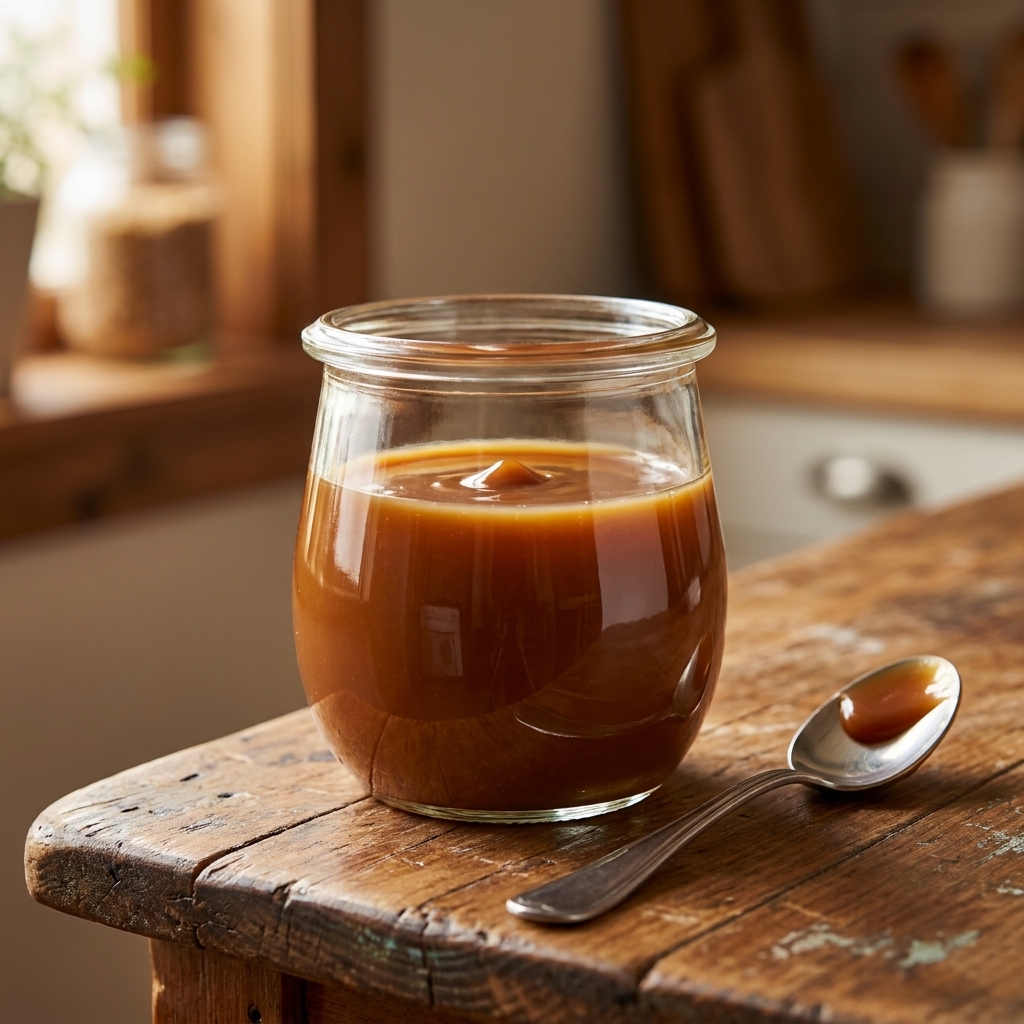
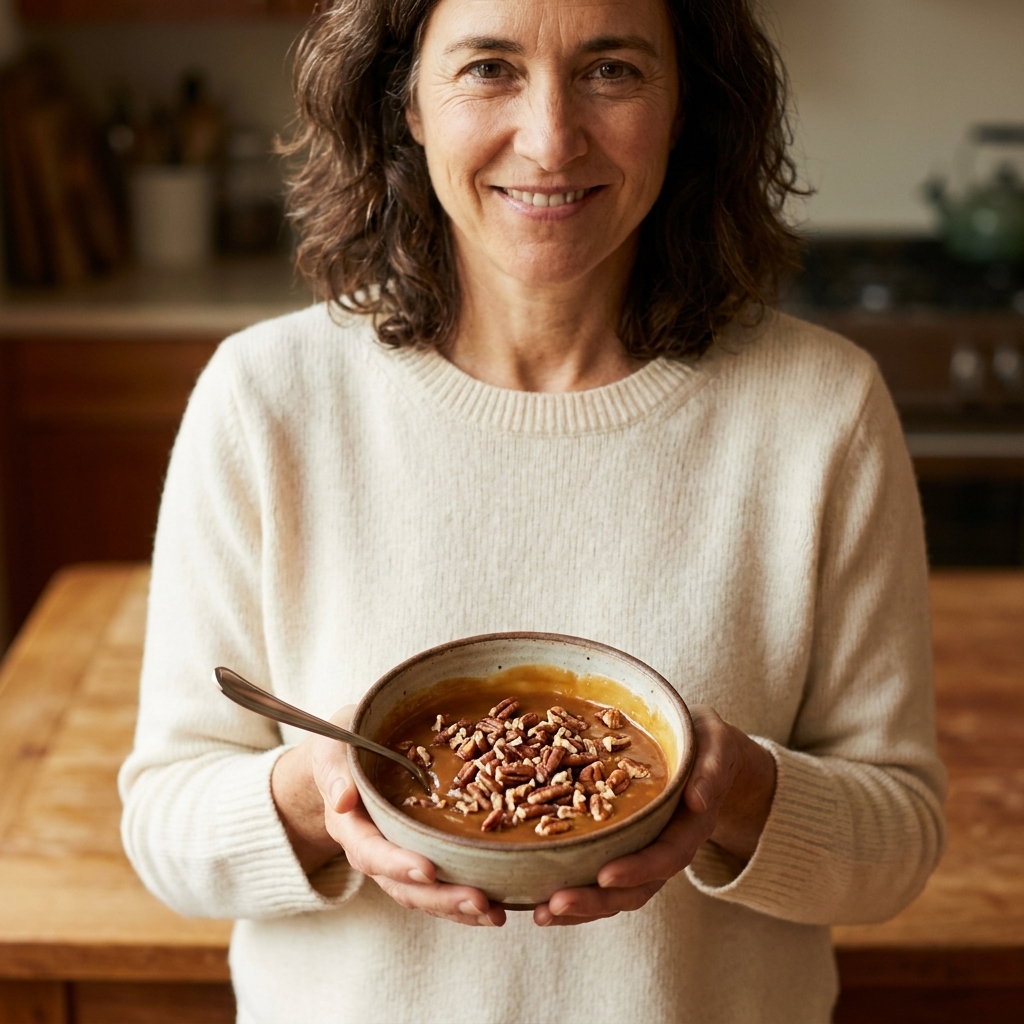
This one is pure celebration. Cajeta is goat’s milk caramel, and when you fold in toasted pecans, it tastes like a bite of northern Mexico in dessert form. The only caution is heat: cajeta loosens as it warms, so we thicken it slightly and cool it well.
Ingredients
- 1 cup cajeta (thick goat milk caramel)
- 1/2 cup chopped toasted pecans
- Pinch of salt
- 1 tablespoon flour or 1 teaspoon cornstarch (optional, for extra stability)
- 1/2 teaspoon vanilla extract (optional)
Method
- If your cajeta is very loose, warm it gently in a saucepan over low heat just until it moves easily, then whisk in flour (or a cornstarch slurry). Simmer 30 seconds to 1 minute until slightly thicker.
- Remove from heat. Stir in salt, vanilla (if using), and toasted pecans.
- Cool completely. For easiest filling, chill 20 to 30 minutes so it firms up.
Elena’s tips
- Toasting pecans matters: 5 minutes in a dry skillet wakes up the nutty flavor and keeps them crunchy.
- Chocolate moment: Add 1 tablespoon mini chocolate chips after cooling for a cajeta-choco surprise.
How much filling to use
For a 4 to 5-inch round of empanada dough, I usually use 1 to 1 1/2 tablespoons filling. Keep a clean border around the edge so you can seal well.
- Too little filling: Dry empanadas that taste like plain cookie.
- Too much filling: Leaks, blowouts, and sticky bottoms.
If you are new to empanadas, start with less filling and focus on a tight seal. You can always add a little more on the next batch.
Storage and make-ahead
- Refrigerator: Store fillings in airtight containers up to 5 days.
- Freezer: Most fruit fillings freeze well up to 3 months. Thaw overnight in the fridge and re-thicken if needed.
- Before using: If condensation makes the filling watery, simmer 2 to 3 minutes to tighten it back up.
Quick FAQ
Can I use fresh pineapple without it turning bitter?
Yes. Pineapple can taste sharp if you do not balance it. Piloncillo, a pinch of salt, and lime at the end round it out. Also, simmer long enough for the fruit to turn translucent.
What is the easiest filling for beginners?
Apple cinnamon. It thickens quickly and is very forgiving. If it looks loose, the cornstarch slurry fixes it fast.
Do I need piloncillo?
No, but it is worth trying. Brown sugar is a solid swap in all the recipes here. If you have a Mexican market nearby, grab piloncillo once and you will find excuses to use it again.
Can I bake or fry sweet empanadas with these fillings?
Both work. For frying, keep fillings extra thick and well chilled so they do not liquefy as fast. For baking, you have a little more wiggle room, but thick is still best.