A cozy, step-by-step guide to silky Mexican-style flan: how to nail the caramel, bake in a water bath, and fix bubbles, cracks, and curdled custard.
The Mexi Plate
Cajeta Explained

Elena Valdés
Elena Valdés is a Mexican-American home cook and the culinary heart behind MexiPlate. Inspired by the bustling kitchens of her childhood in Jalisco and Texas, she specializes in translating authentic Mexican flavors into approachable recipes for everyday cooks. Whether she is sharing her grandmother's secret for the perfect tamale masa or a quick 30-minute weeknight enchilada bake, Elena believes that good food is the best way to bring people together.
Published October 17, 2026
Updated October 17, 2026
Cajeta is one of those flavors that instantly takes me back. In my family, it meant a spoon “just to taste” while someone was setting out pan dulce, or a quick drizzle over fruit when we wanted something sweet but not fussy. If you have fallen for that deep caramel flavor with a gentle tang and a silky finish, you already understand why cajeta is so beloved across Mexico.
Today I am going to walk you through what cajeta really is, how it is different from dulce de leche, and exactly how to make it from scratch in a home kitchen without fear. It takes patience, but it is absolutely doable, and the reward is a jar of caramel that tastes like Mexico.
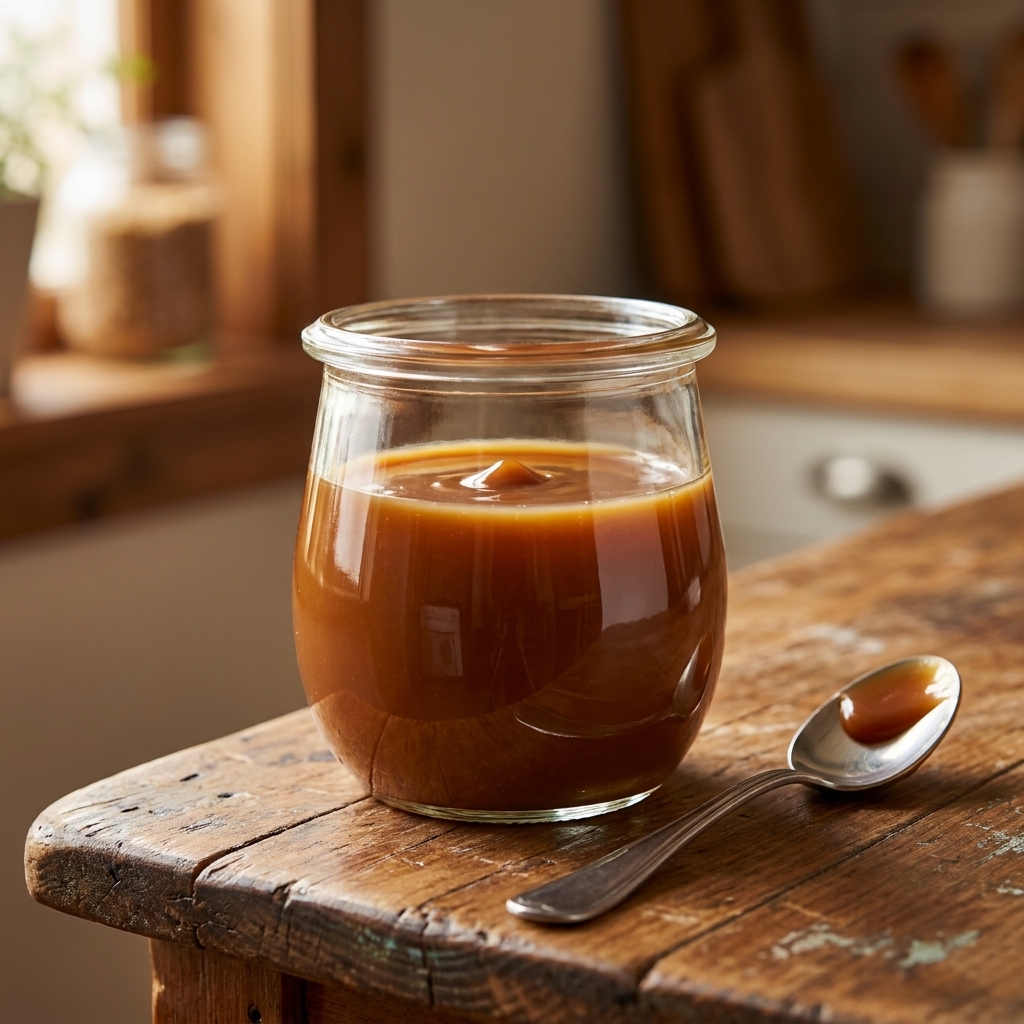
What is cajeta?
Cajeta is a traditional Mexican caramel made traditionally from goat milk (leche de cabra) slowly simmered with sugar until it becomes thick, amber-brown, and spoonable. In real life, you will also see versions made with a blend of goat and cow’s milk, especially outside Mexico or in commercial brands. Many recipes include a little vanilla and cinnamon, and some regional styles lean darker and toastier than others.
The word cajeta is often said to come from cajete, a small wooden container that was historically used to sell and store the caramel. If you have ever seen cajeta sold at markets in little tubs, that origin story clicks.
Because it is goat-milk-based, cajeta has a signature character you do not get from cow’s milk caramel: a slightly tangy, gently savory edge that keeps it from tasting one-note sweet. (And just as a heads-up, goat milk flavor can vary by brand and season. Some batches are extra mild, others are a little more “goat-forward.”)
Where cajeta comes from
Cajeta is strongly associated with Celaya, Guanajuato, a city famous for its confection traditions. While sweet milk reductions exist across Latin America, cajeta is one of Mexico’s most iconic versions, especially because goats have long been an important source of milk in many regions.
In practical terms, cajeta is also a “make it last” recipe. Slowly cooking milk with sugar concentrates it and helps it keep longer, which made sense long before we all had modern refrigerators.
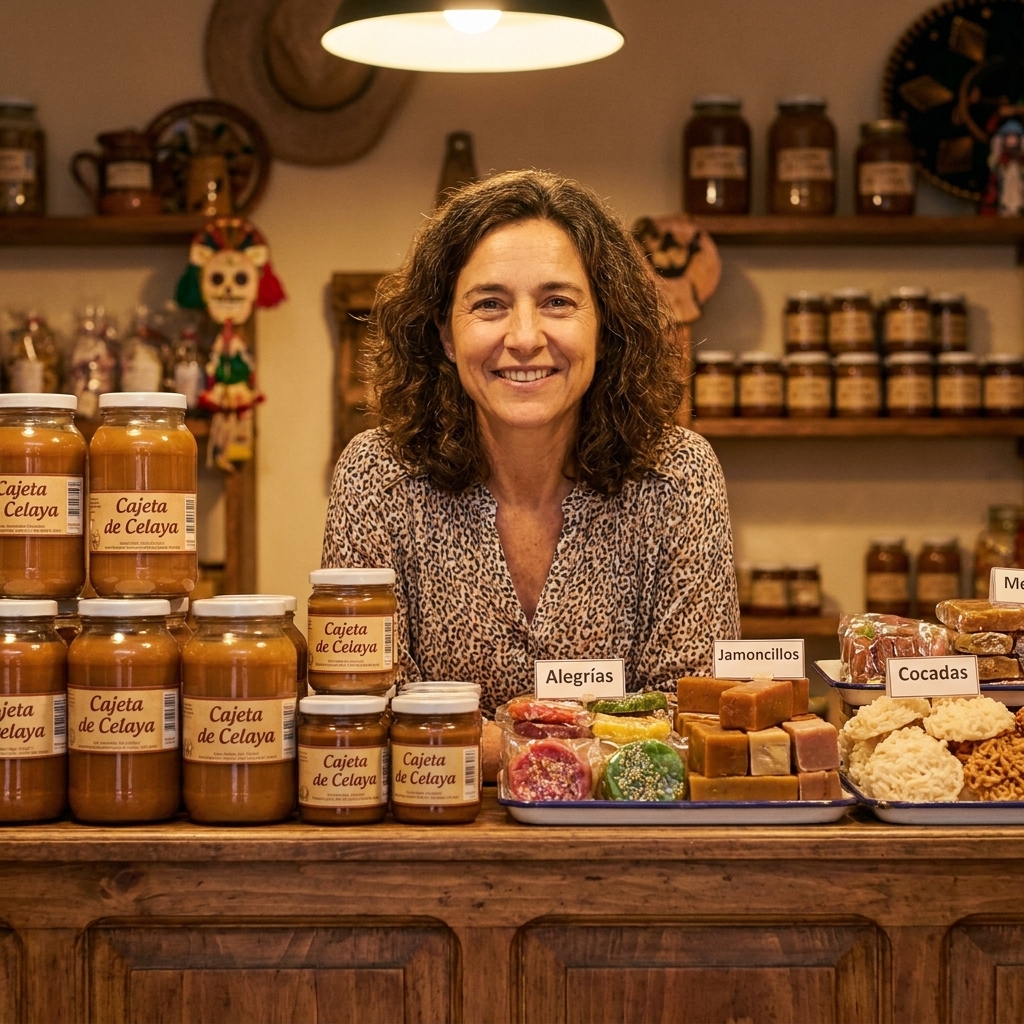
Cajeta vs. dulce de leche
This is the question I get the most, especially from readers in Texas who grew up with both Mexican and Latin American sweets in the same neighborhood.
The main difference
- Cajeta: traditionally made with goat milk (sometimes blended with cow’s milk). Flavor is deeper and a little tangy, with a more complex finish.
- Dulce de leche: typically made with cow’s milk. Flavor is creamy, milky, and straightforwardly caramel-like.
Other common differences
- Texture: both can be thick and spreadable, but cajeta often feels slightly silkier and can be a touch looser when warm.
- Color: cajeta frequently cooks to a darker, toastier shade.
- Flavorings: cajeta is commonly scented with cinnamon or vanilla. Dulce de leche is often plain, though not always.
Can you substitute one for the other? Sometimes. But if a dessert is meant to taste like cajeta, dulce de leche will feel a little too gentle. That goat milk note is the point.
How to make authentic cajeta
Let’s make it. You do not need special equipment, but you do need time, a heavy-bottomed pot, and your full attention near the end when it thickens quickly.
Ingredients
- 4 cups (946 ml) goat milk
- 1 1/4 cups (250 g) granulated sugar
- 1/2 cup (120 ml) heavy cream (optional, but gives a lush texture)
- 1 cinnamon stick (or 1/2 teaspoon ground cinnamon)
- 1 teaspoon pure vanilla extract
- 1/4 teaspoon baking soda
- Pinch of fine salt
Why baking soda matters
That tiny pinch of baking soda raises the pH a bit, which encourages deeper browning (the Maillard reaction) and can help keep the milk from separating. It will foam up when you add it, so use a pot with plenty of headspace.
Step-by-step
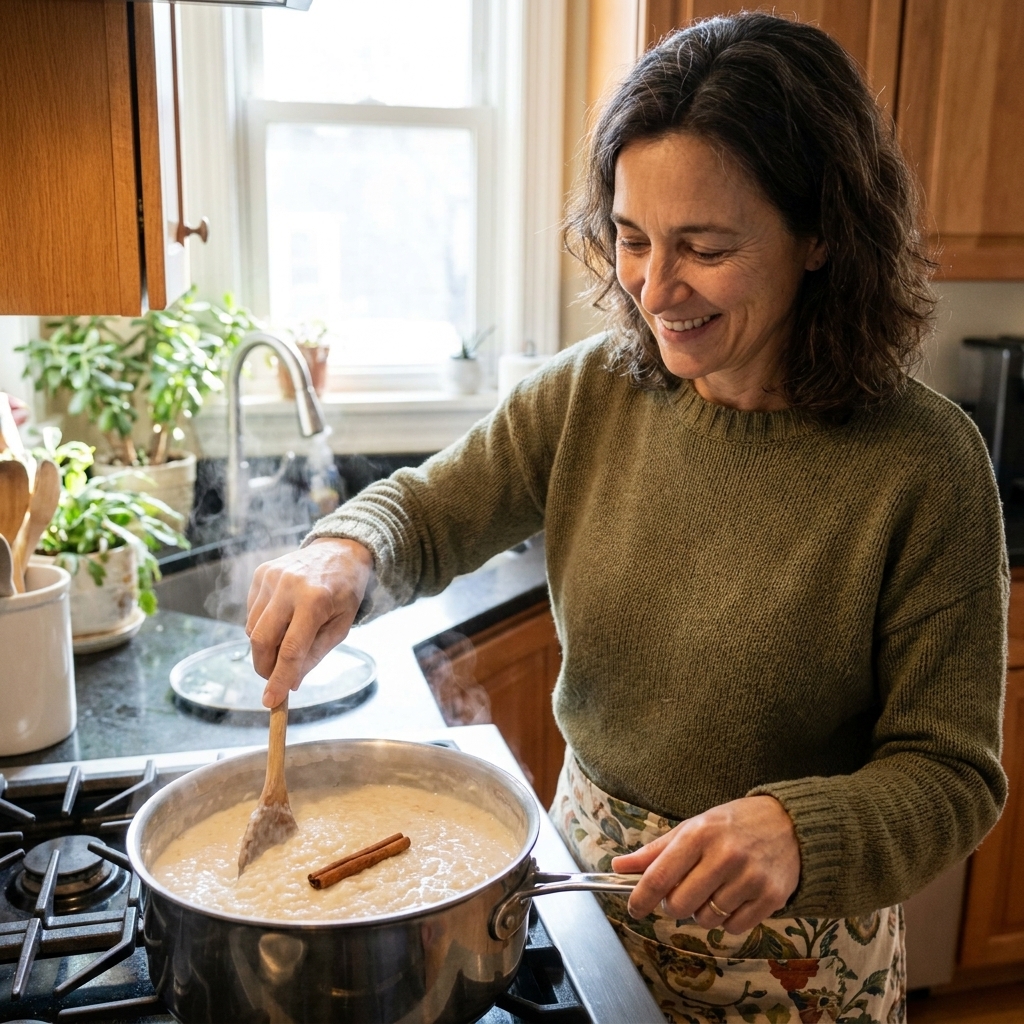
- Set up your pot. Choose a heavy-bottomed pot or Dutch oven with lots of room. For this batch, a 5 to 6 quart pot is a comfortable size because goat milk can foam as it heats.
- Combine and warm. Add the goat milk, sugar, cream (if using), cinnamon stick, and salt. Place over medium heat and stir until the sugar dissolves.
- Add baking soda carefully. Sprinkle in the baking soda and stir. The mixture will foam up. Keep stirring until it settles down.
- Simmer low and slow. Reduce heat to maintain a steady simmer. Stir every 3 to 5 minutes at first, scraping the bottom and corners. As it reduces and darkens, stir more often. In the last 10 to 15 minutes, stay close and stir almost constantly to prevent scorching.
- Watch the transformation. Over 45 to 75 minutes, it will gradually deepen in color and reduce. Timing depends on your pot, heat level, and starting temperature.
- Finish with vanilla. When it is thick enough to coat a spoon, remove from heat. Stir in vanilla extract. If you used a cinnamon stick, fish it out.
- Strain (optional). For an ultra-smooth cajeta, strain through a fine mesh sieve into a clean jar.
- Cool and store. Cajeta thickens as it cools. Let it cool uncovered until warm, then cover and refrigerate.
How thick should cajeta be?
Here is my kitchen rule: stop a little earlier than you think. Warm cajeta looks looser, then firms up in the jar. You want something that pours slowly when warm and becomes thick and spoonable once chilled.
Doneness checks
- Cold plate test: Spoon a few drops onto a chilled plate, wait 30 seconds, then drag your finger through it. If it holds a soft line and feels syrupy-thick, you are there.
- Pot trail: A spatula leaves a brief trail on the bottom of the pot before it fills back in.
- Bubbles: They become slower and thicker, almost like lava bubbles.
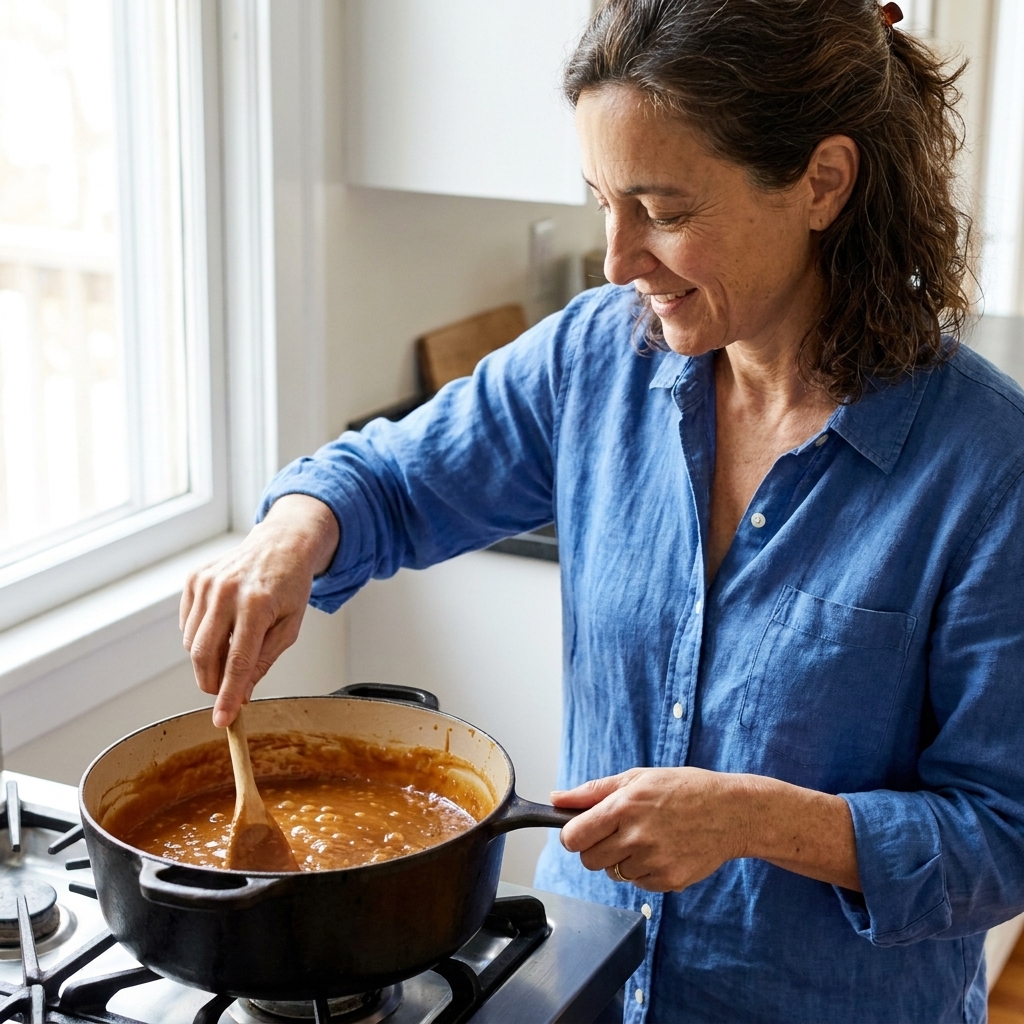
Troubleshooting
My cajeta looks grainy
This can happen if sugar crystals form on the sides of the pot. Keep the sides clean by gently stirring and scraping. If it turns slightly grainy at the end, straining can help, and a small splash of warm milk stirred in off heat can sometimes smooth it out.
My cajeta curdled
Curdling is usually from heat that is too high or not enough stirring. Lower the heat and whisk vigorously. If it still looks separated, blend carefully with an immersion blender, then strain. It will not be perfect, but it is often still delicious.
My cajeta got too thick
No panic. Warm it gently and whisk in goat milk, 1 tablespoon at a time, until it loosens to your liking.
It tastes a little bitter
That usually means it went a touch too far or the bottom scorched. Next time, use lower heat and stir more frequently near the end. A pinch more salt can balance mild bitterness, but scorched flavor will not fully disappear.
How to store cajeta
- Refrigerator: Store in a clean jar with a tight lid. For best quality, use within 2 to 3 weeks, though it can last up to 3 to 4 weeks when handled well. Always use a clean spoon, and discard if you notice mold, an off smell, or any sign of spoilage.
- Freezer: You can freeze cajeta for up to 3 months. Thaw overnight in the fridge.
- To rewarm: Spoon what you need into a small bowl and microwave in short bursts, or warm gently on the stovetop with a splash of milk.
How to use cajeta
Cajeta is extremely versatile. Think of it like caramel’s more interesting cousin. Here are the ways I reach for it most often, especially when I want something that feels special with almost no extra effort.
Drizzle and dip
- Over vanilla ice cream with toasted pecans
- On sliced bananas or apples with a pinch of flaky salt
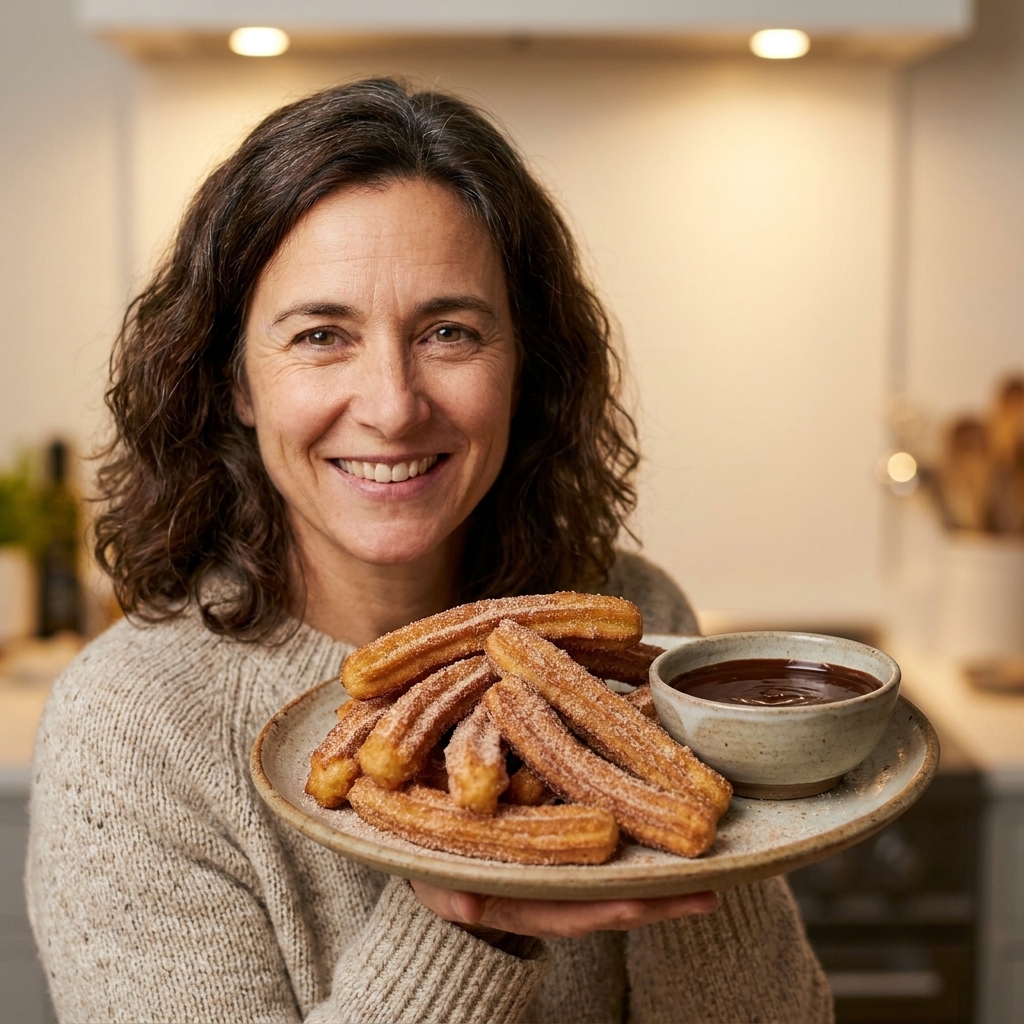
- Over churros instead of chocolate
- Swirled into Greek yogurt for a quick dessert
Fillings and spreads
- Spread inside crepes or warm flour tortillas for a nostalgic treat
- Sandwiched in cookies (especially butter cookies)
- As the center of thumbprint cookies
Baking and desserts
- Fold into whipped cream for an easy cajeta mousse
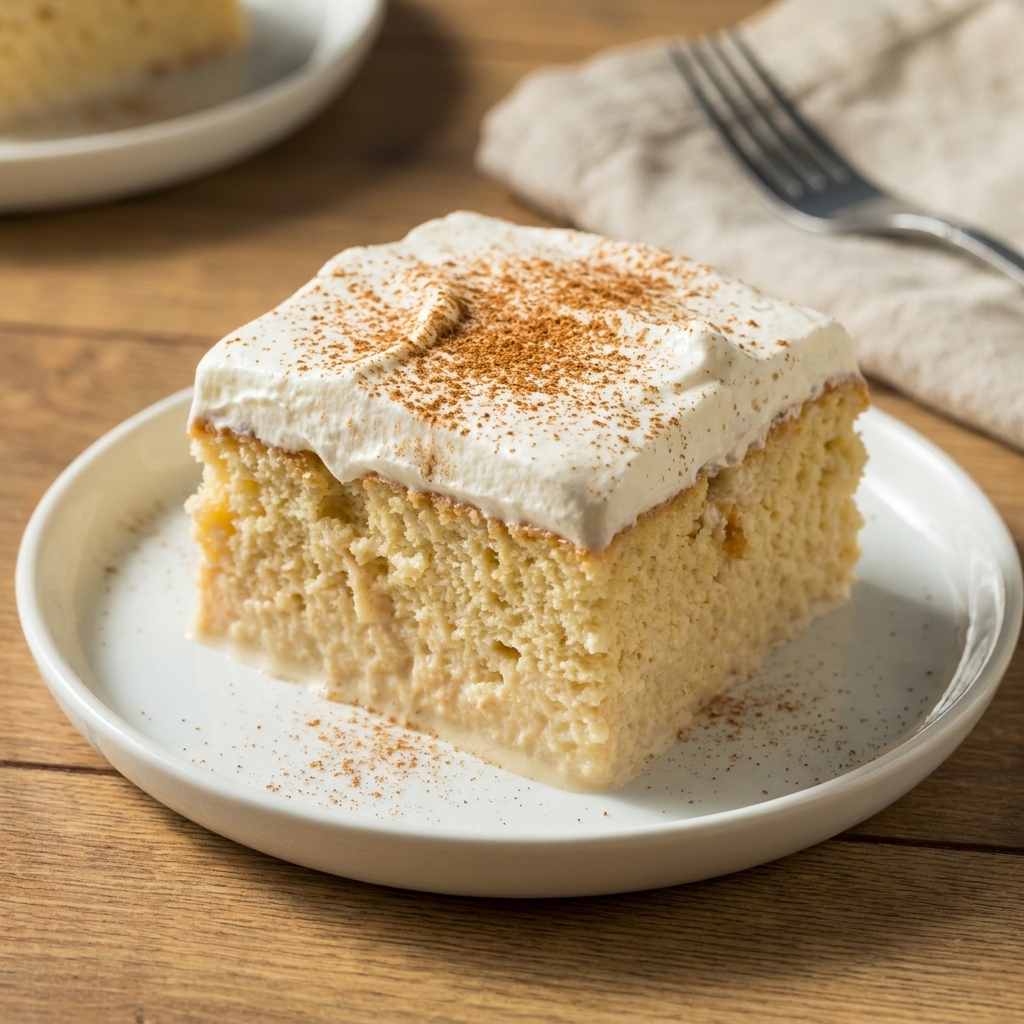
- Drizzle over tres leches cake
- Spoon onto cheesecake as a topping
- Swirl into brownies right before baking
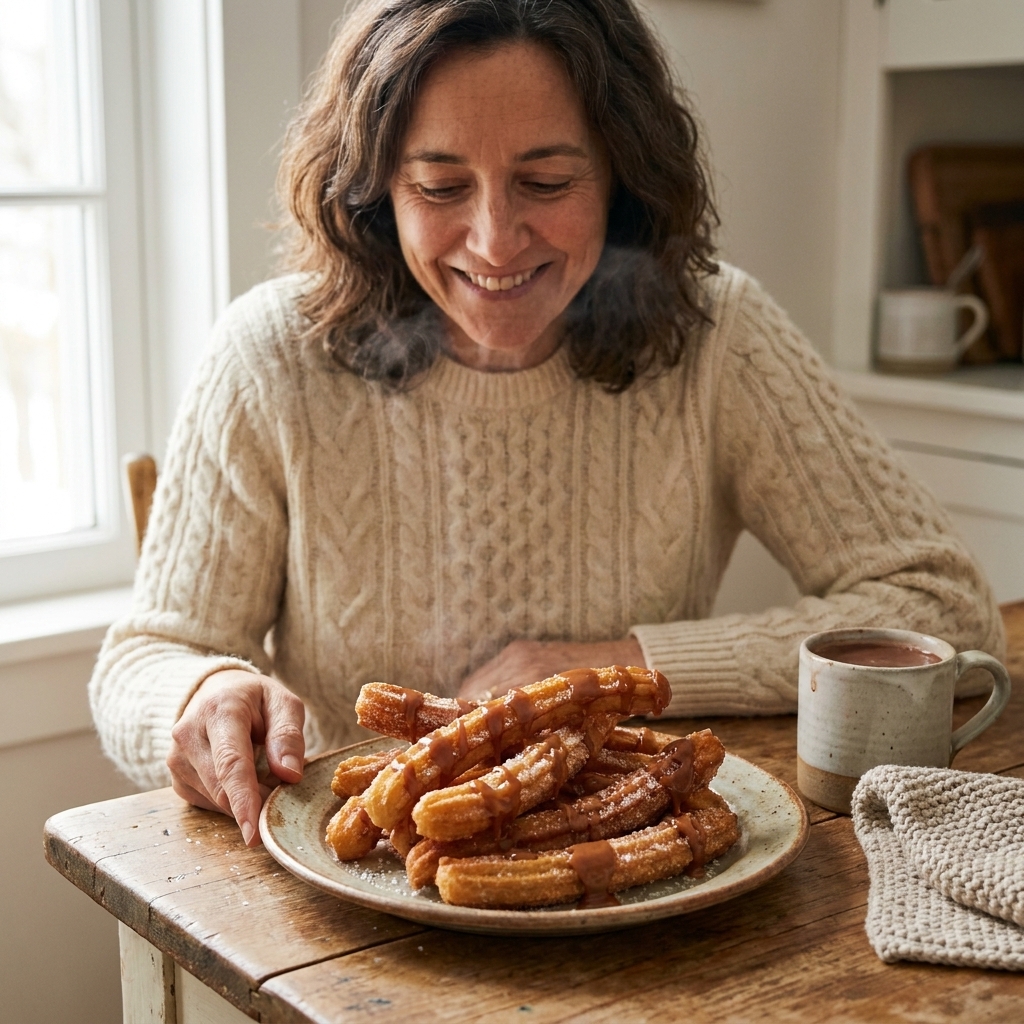
Cajeta on buñuelos
If you ask me for one perfect use, this is it. Crisp buñuelos with a drizzle of warm cajeta taste like holidays, family chatter, and someone sneaking back into the kitchen for “just one more.” If you have never tried it, start there.
FAQ
Can I make cajeta with cow’s milk?
You can, but it will move you closer to dulce de leche. If goat milk is hard to find, try using half goat milk and half cow’s milk as a bridge. You will still get some of that signature tang.
Is cajeta supposed to taste a little tangy?
Yes. That gentle tang is part of the charm, especially in homemade cajeta made with real goat milk.
Why is my cajeta lighter than store-bought?
Store-bought cajeta is often cooked darker for a deeper flavor and longer shelf stability. Keep simmering to deepen the color, but lower your heat as it thickens so it does not scorch.
What is cajeta envinada?
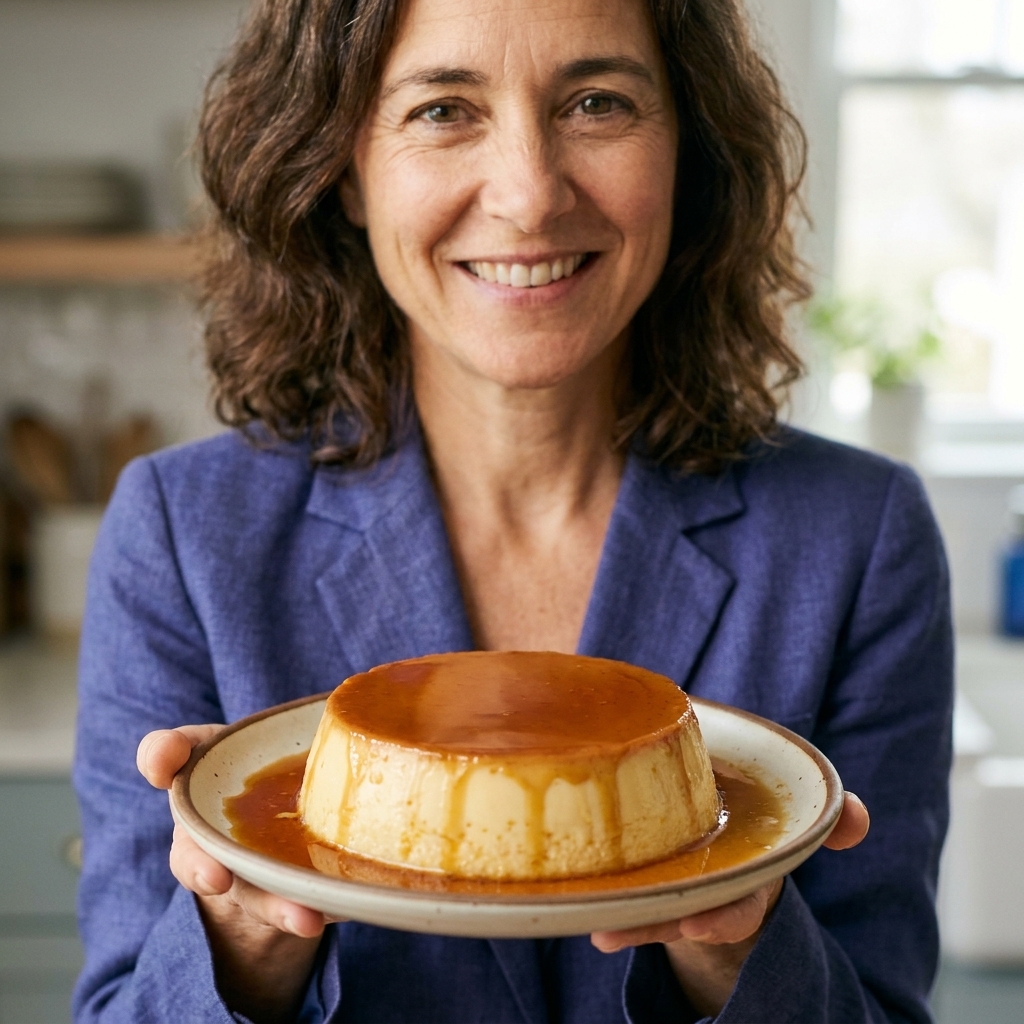
Cajeta envinada is cajeta flavored with alcohol, often a splash of rum. It is a grown-up, holiday-style variation and it is wonderful spooned over flan or ice cream.
One last tip
Cajeta rewards patience. Keep your simmer gentle, stir with intention, and trust your senses. When your kitchen smells like toasted milk and warm vanilla, you are almost there. And when you taste that first spoonful, you will understand why so many of us grew up treating cajeta like treasure.