A cozy lineup of Mexican soups and stews that actually satisfy: Caldo de Pollo, Pozole, Albóndigas, Birria, and more, plus meal-prep tips, chile basics, and...
The Mexi Plate
Caldo de Mariscos (Mexican Seafood Stew)

Elena Valdés
Elena Valdés is a Mexican-American home cook and the culinary heart behind MexiPlate. Inspired by the bustling kitchens of her childhood in Jalisco and Texas, she specializes in translating authentic Mexican flavors into approachable recipes for everyday cooks. Whether she is sharing her grandmother's secret for the perfect tamale masa or a quick 30-minute weeknight enchilada bake, Elena believes that good food is the best way to bring people together.
Published October 17, 2026
Updated October 17, 2026
When I want a soup that feels like a weekend on the coast, I make caldo de mariscos. It is bright, a little spicy (if you want it to be), deeply tomatoey, and loaded with tender shrimp and flakes of white fish. The best part for beginners is this: once your broth is built, the seafood cooks fast, so dinner can be on the table without a lot of fuss.
This is the version I make at home when I am craving that marisquería flavor, but I still want something approachable for a regular Tuesday. We are going to build a silky guajillo-tomato base, then finish with quick-cooking seafood and a squeeze of lime.
Serves: 4 to 6
Time: about 20 minutes prep, 35 to 45 minutes cook
Pot: a 5 to 7 quart Dutch oven or soup pot
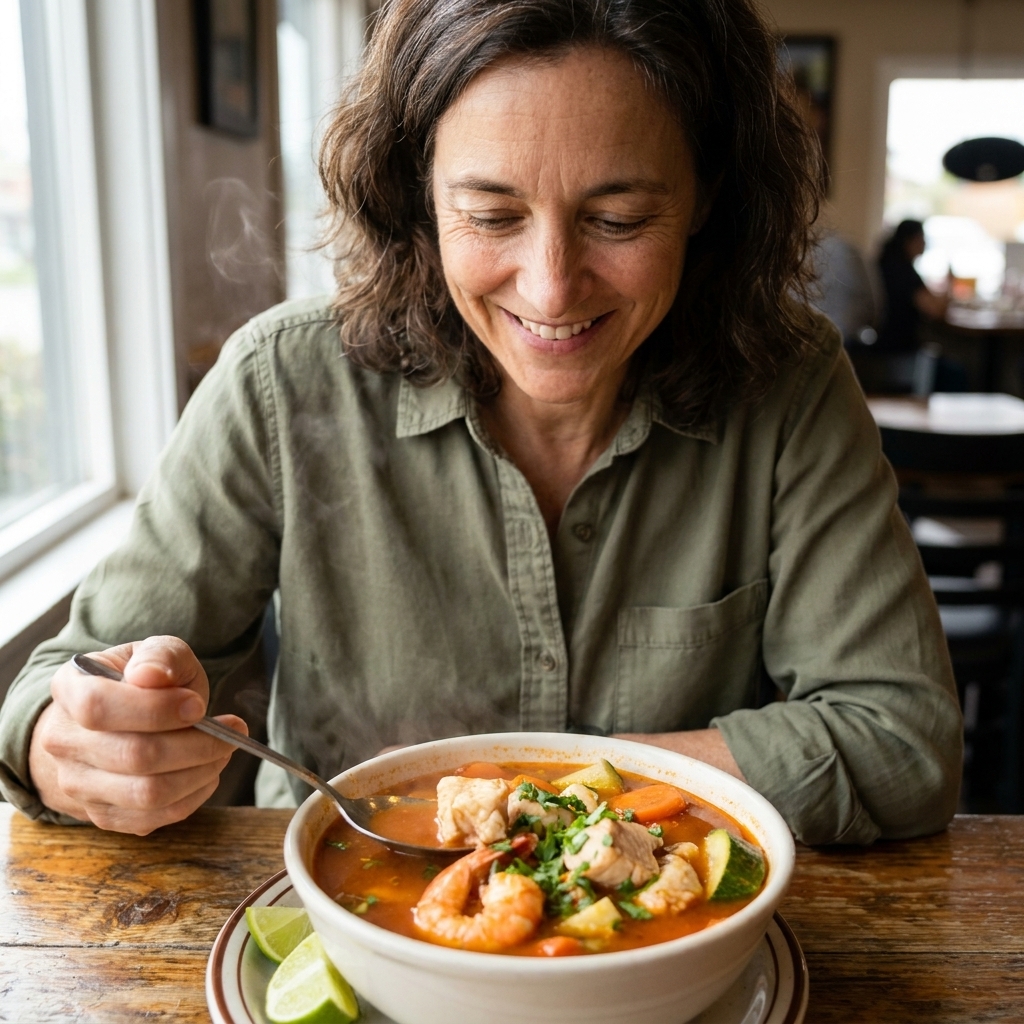
What is caldo de mariscos?
Caldo de mariscos is a Mexican seafood soup or stew, most associated with coastal cooking and marisquerías. The broth is often tomato-based and seasoned with dried chiles, garlic, onion, and herbs like oregano. You will see lots of variations depending on the region and the cook.
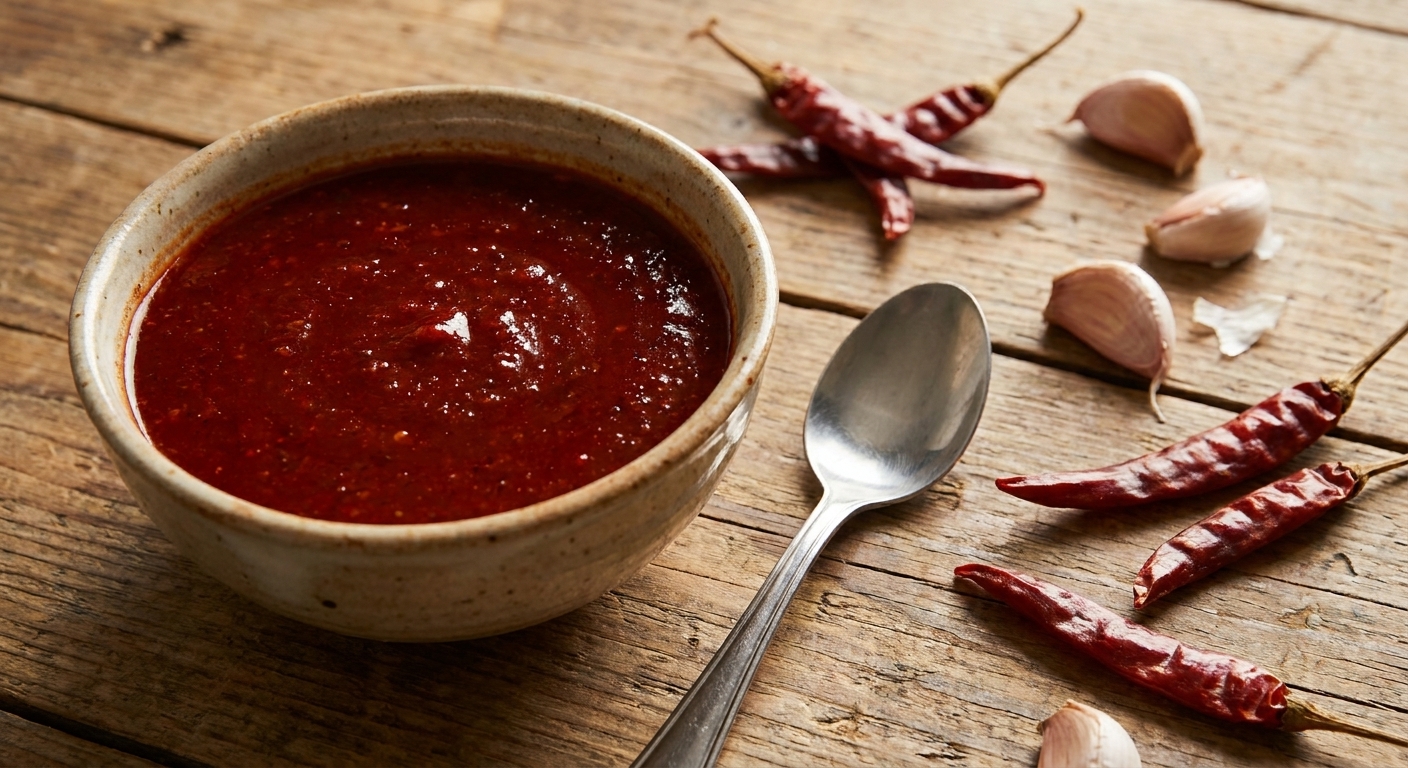
My beginner-friendly approach keeps the ingredient list realistic while still tasting unmistakably Mexican. Guajillo chiles give the broth a beautiful brick-red color and a gentle, fruity warmth without overwhelming heat.
What you need (and easy swaps)
Here is what I recommend for a balanced pot that tastes like the sea, not like fishy leftovers.
Seafood
- Shrimp (1 to 1 1/2 pounds), peeled and deveined. Tail on or off is up to you.
- White fish (3/4 to 1 pound), cut into 1 1/2-inch chunks. Good options: cod, halibut, pollock, haddock, or tilapia.
Swap ideas: Add scallops, clams, mussels, or crab if you like. If using clams or mussels, add them first and cook just until they open, then add fish and shrimp near the end so everything stays tender.
Broth base
- Guajillo chiles (3 to 5, depending on size)
- Roma tomatoes (4 medium) or 1 can (14 to 15 ounces) fire-roasted tomatoes
- White onion (1/2 for blending, plus a little diced for sautéing, optional)
- Garlic (3 to 5 cloves)
- Mexican oregano (1 to 1 1/2 teaspoons)
- Bay leaf (1)
- Seafood stock or chicken stock (6 to 7 cups)
Swap ideas: No seafood stock? Use chicken stock and add a little clam juice if you have it, or just lean on the guajillo and tomato flavor. No Mexican oregano? Use marjoram or regular oregano, but go a touch lighter.
Quick note on salt: Seafood stock, chicken stock, and clam juice vary a lot in saltiness. Taste your broth before you add your final salt.
Vegetables (coastal-style, but not heavy)
- Carrots (2), sliced
- Zucchini (1 to 2), sliced into half moons
- Celery (1 to 2 ribs), sliced, optional
- Potato (1 small), optional but comforting
To finish and serve
- Limes
- Cilantro
- Salt
- Black pepper (optional)
- Warm tortillas or tostadas
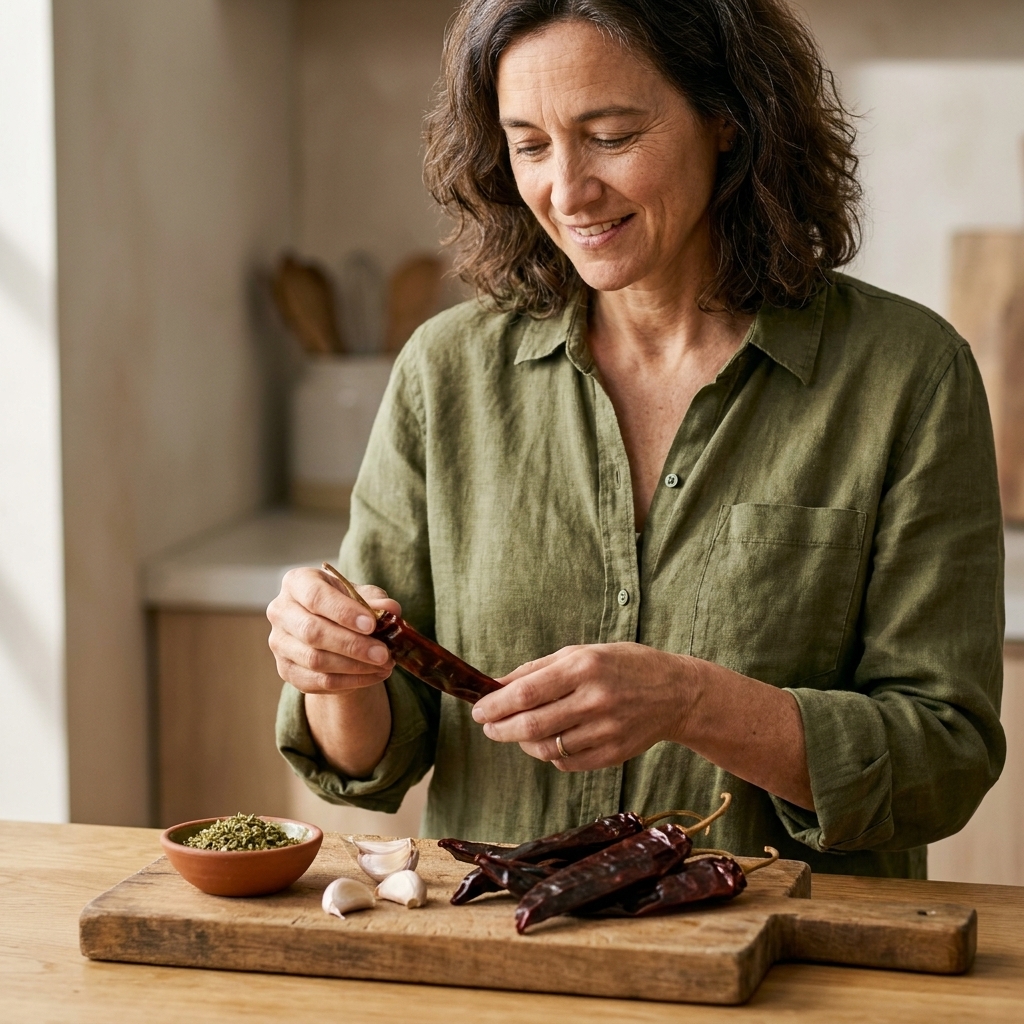
Caldo de mariscos step-by-step
This method is built around one rule: the broth takes time, the seafood does not. We cook the vegetables until tender, then add fish and shrimp right at the end so everything stays sweet and delicate.
1) Prep the guajillos
Wipe the guajillo chiles with a damp paper towel. Remove stems and shake out most of the seeds. A few seeds are fine.
Toast the chiles in a dry skillet over medium heat for about 20 to 30 seconds per side, just until fragrant. Do not let them burn, or the broth can taste bitter.
Place toasted chiles in a bowl and cover with very hot water. Let them soak 15 to 20 minutes until softened.
2) Blend the guajillo-tomato base
In a blender, combine:
- Soaked guajillos (drained)
- Tomatoes (if using canned, add them with their juices; if using fresh, raw is fine, or you can roast them for deeper flavor)
- 1/2 white onion
- Garlic
- 1/2 cup stock (to help it blend)
- Mexican oregano
Blend until very smooth. If you want a restaurant-silky broth, strain the sauce through a fine mesh strainer into a bowl, pressing with a spoon.
3) Cook the base to deepen the flavor
Heat 1 to 2 tablespoons oil in a large pot over medium-high heat. Optional: sauté a handful of diced onion for 2 to 3 minutes until softened.
Carefully pour in the blended sauce. It may splatter a little, so keep your face back and stir.
Cook 5 to 7 minutes, stirring often, until the sauce darkens slightly and smells rich and toasty. This step is what makes it taste like you worked all day, even when you did not.
4) Simmer the broth and vegetables
Add the remaining stock (enough to reach your preferred soupiness), bay leaf, and a generous pinch of salt. Bring to a simmer.
Add carrots (and potato, if using). Simmer about 10 to 12 minutes, until the carrots are easily pierced with a fork but not falling apart.
Add zucchini (and celery, if using) and simmer 5 to 8 minutes more, until tender.
Taste the broth. Adjust salt. Add black pepper if you like, but I usually lean more on chile, oregano, and lime here. If you want more brightness, add a small squeeze of lime now, then finish with more at the table.
5) Add fish, then shrimp
Lower the heat so the soup is at a gentle simmer, not a rolling boil.
- Add fish pieces and cook 3 to 5 minutes, depending on thickness, until they turn opaque and begin to flake.
- Add shrimp and cook 2 to 3 minutes, just until pink and curled.
Stir gently so the fish stays in nice chunks. Turn off the heat and let the pot rest 2 minutes. The seafood will finish with carryover heat.
6) Serve
Ladle into bowls and top with cilantro and a big squeeze of lime. Serve with warm tortillas or tostadas.
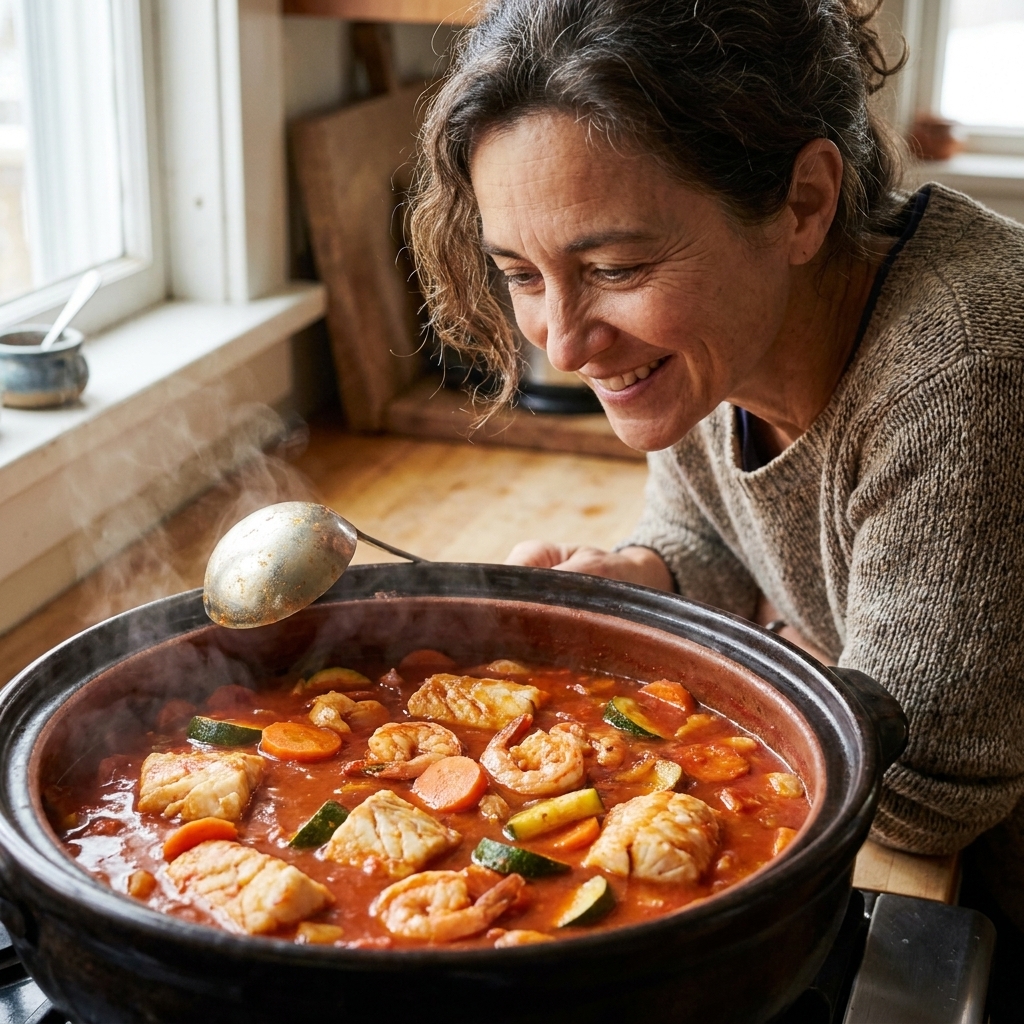
Beginner tips
- Do not boil the shrimp. A hard boil makes shrimp rubbery. Keep it at a gentle simmer.
- Fish goes in before shrimp. Fish needs a few minutes; shrimp needs only a couple.
- Cut fish into big chunks. Small pieces can break apart while stirring.
- Strain the chile sauce if you are sensitive to chile skins. It is optional, but it makes the broth ultra smooth.
- Salt in layers. Season the broth before the seafood goes in. Once seafood is added, stir less and taste gently.
How spicy is it?
Guajillo is more about flavor than heat, so this stew usually reads mild for most palates. You can absolutely make it medium: blend in 1 chile de árbol or 1 to 2 teaspoons of chipotle in adobo. If you want it milder, use fewer guajillos and remove all seeds.
Variations
Veracruz vibes
Add a splash of olive oil at the end and a handful of green olives or capers. It sounds unusual, but it gives that briny coastal edge.
Creamy caldo
For a richer broth, stir in 1/4 to 1/3 cup crema Mexicana (or sour cream thinned with a little broth) off the heat. Keep the soup below a boil once dairy is added.
Extra vegetables
Add corn (fresh or frozen) and a handful of chopped spinach right at the end. Corn is especially good with the guajillo-tomato base.
What to serve with it
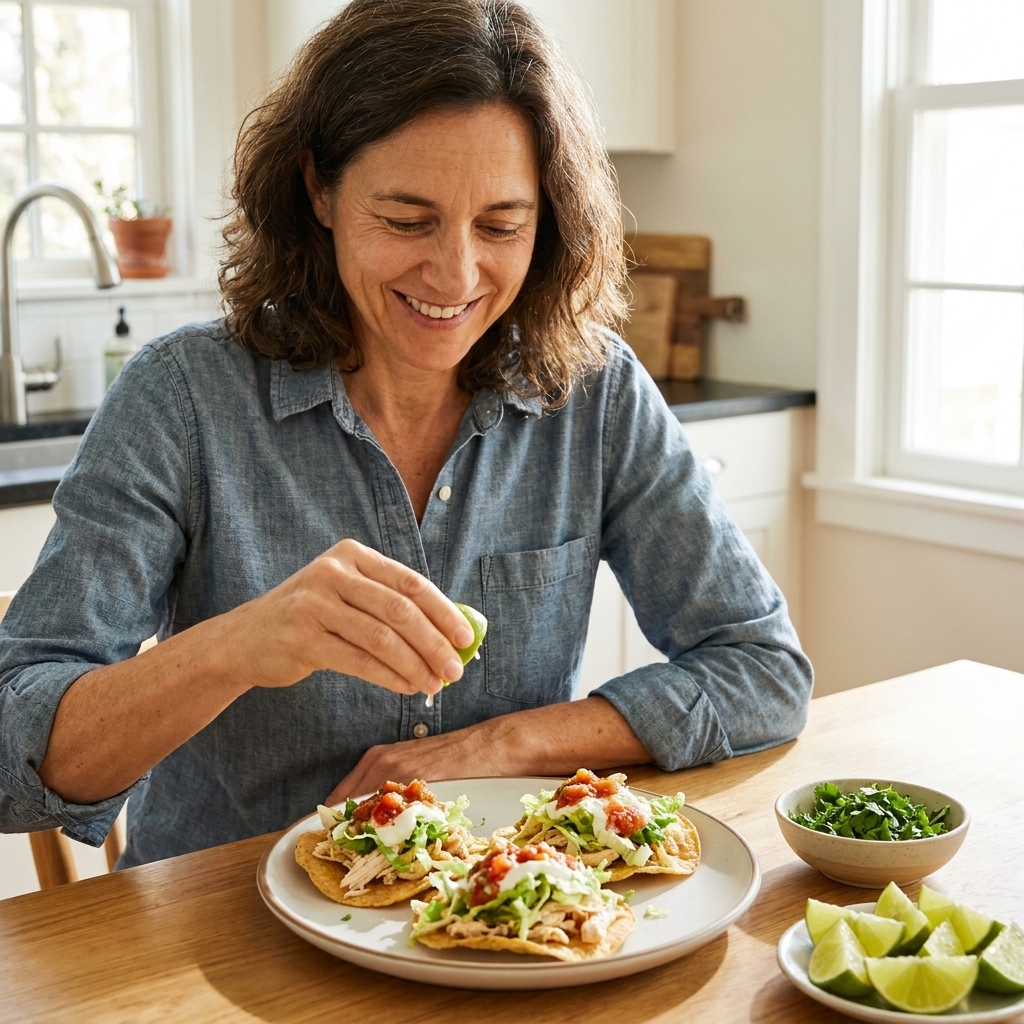
- Tostadas with a smear of mayo or avocado and a little shredded cabbage
- Arroz blanco (simple white rice) if you want it extra filling
- Salsa on the side, especially salsa verde for a tangy contrast
- Lime wedges and sliced jalapeño or serrano for everyone to customize
If you want the full marisquería table vibe, set out a small tray of diced onion, sliced radishes, and avocado, too.
Storage and reheating
Seafood soups are best the day they are made, but leftovers can still be delicious if you reheat gently.
- Refrigerate in an airtight container up to 2 days.
- Reheat in a pot over low heat until just hot. Avoid boiling, which overcooks the shrimp and fish.
- Freezing is not my favorite for this one because shrimp can turn bouncy and fish can crumble, but you can freeze the broth and vegetables (without seafood) up to 2 months. Then add fresh seafood when you reheat.
Recipe (quick reference)
Ingredients
- 1 to 2 tbsp neutral oil
- 3 to 5 dried guajillo chiles, stemmed and seeded
- 4 Roma tomatoes (or 1 can fire-roasted tomatoes, 14 to 15 oz)
- 1/2 white onion (plus a little diced onion, optional)
- 3 to 5 garlic cloves
- 6 to 7 cups seafood stock or chicken stock
- 1 to 1 1/2 tsp Mexican oregano
- 1 bay leaf
- 2 carrots, sliced
- 1 small potato, diced (optional)
- 1 to 2 zucchini, sliced
- 1 to 1 1/2 lb shrimp, peeled and deveined
- 3/4 to 1 lb white fish, cut into chunks
- Salt (and black pepper, optional)
- Cilantro and limes, to serve
Steps
- Toast guajillos briefly, then soak in hot water 15 to 20 minutes.
- Blend guajillos with tomatoes (with juices if canned), onion, garlic, oregano, and a splash of stock until smooth. Strain if desired.
- Sauté sauce in oil 5 to 7 minutes (optional: sauté diced onion first).
- Add stock and bay leaf. Simmer and cook carrots (and potato) until fork-tender, then add zucchini.
- Add fish 3 to 5 minutes, then shrimp 2 to 3 minutes at a gentle simmer.
- Rest 2 minutes. Serve with cilantro and lime.
FAQ
Can I use frozen shrimp and fish?
Yes. Thaw in the refrigerator overnight if you can. In a rush, thaw sealed seafood in a bowl of cold water, then pat dry. Excess water can dilute the broth and cool the pot too much.
My broth tastes a little bitter. What happened?
Usually it is from over-toasting the dried chiles. Next time, toast very briefly and keep the heat moderate. A squeeze of lime and a small pinch of sugar can help balance mild bitterness.
Do I have to strain the sauce?
No. I strain when I want that super smooth marisquería-style broth. If you do not strain, the soup is still delicious, just slightly more rustic.
What if I cannot find guajillo chiles?
Look for them in the Mexican aisle, a Latin market, or online. In a pinch, you can use New Mexico chiles for a similar mild, red chile flavor. The broth will be a little different, but still tasty.