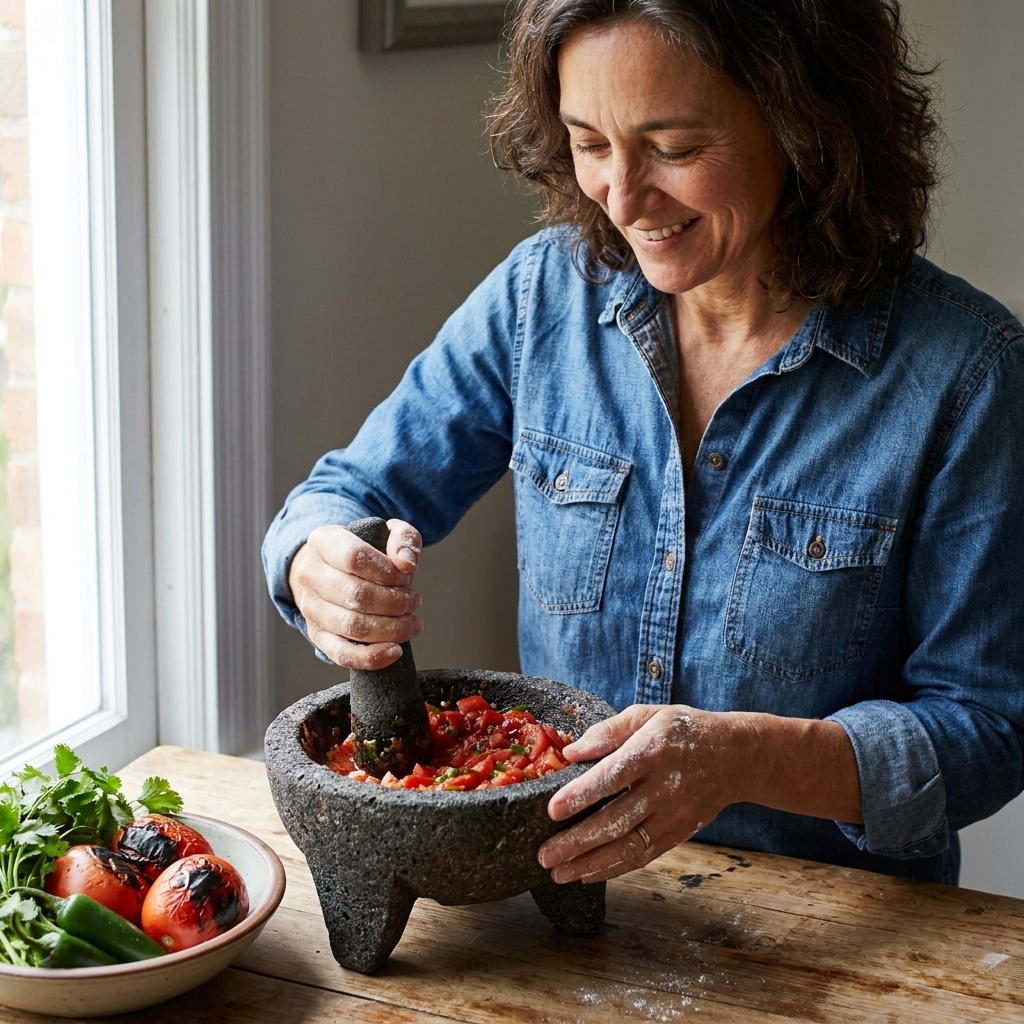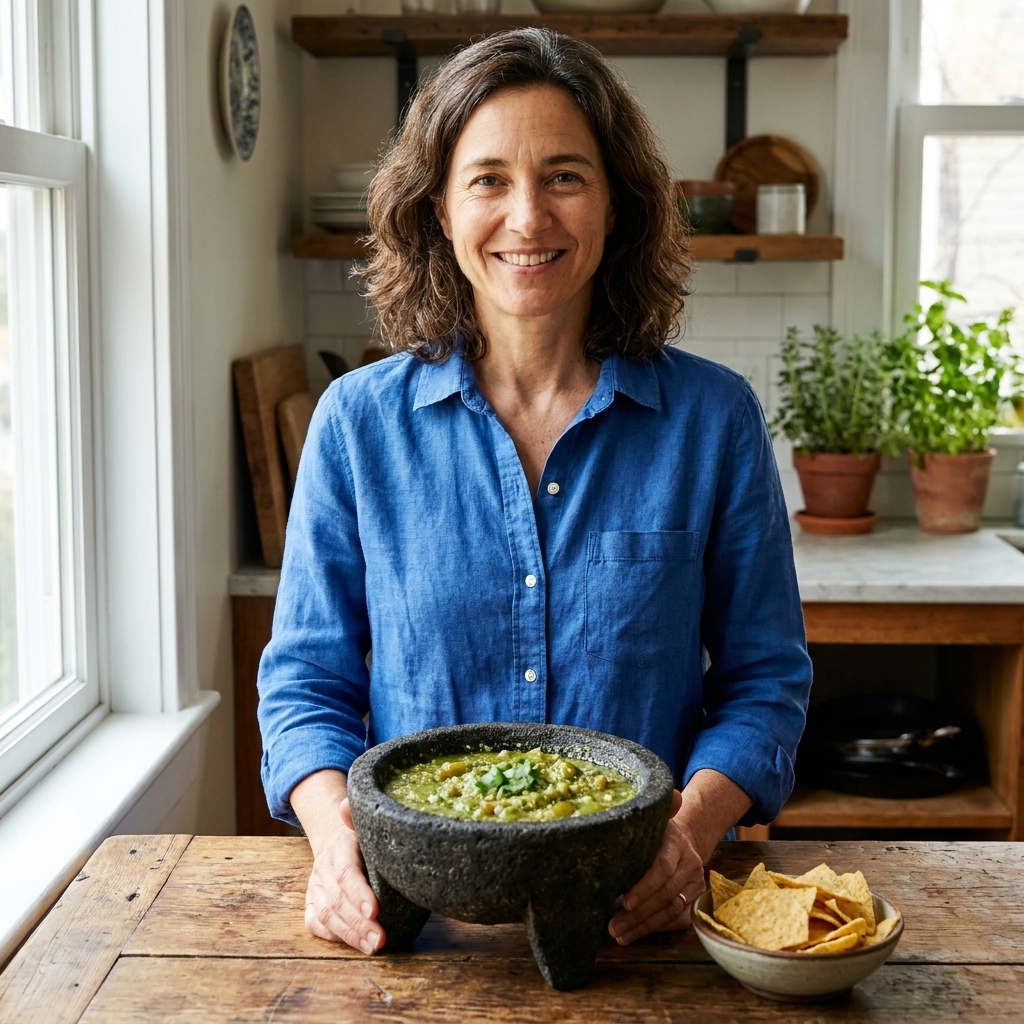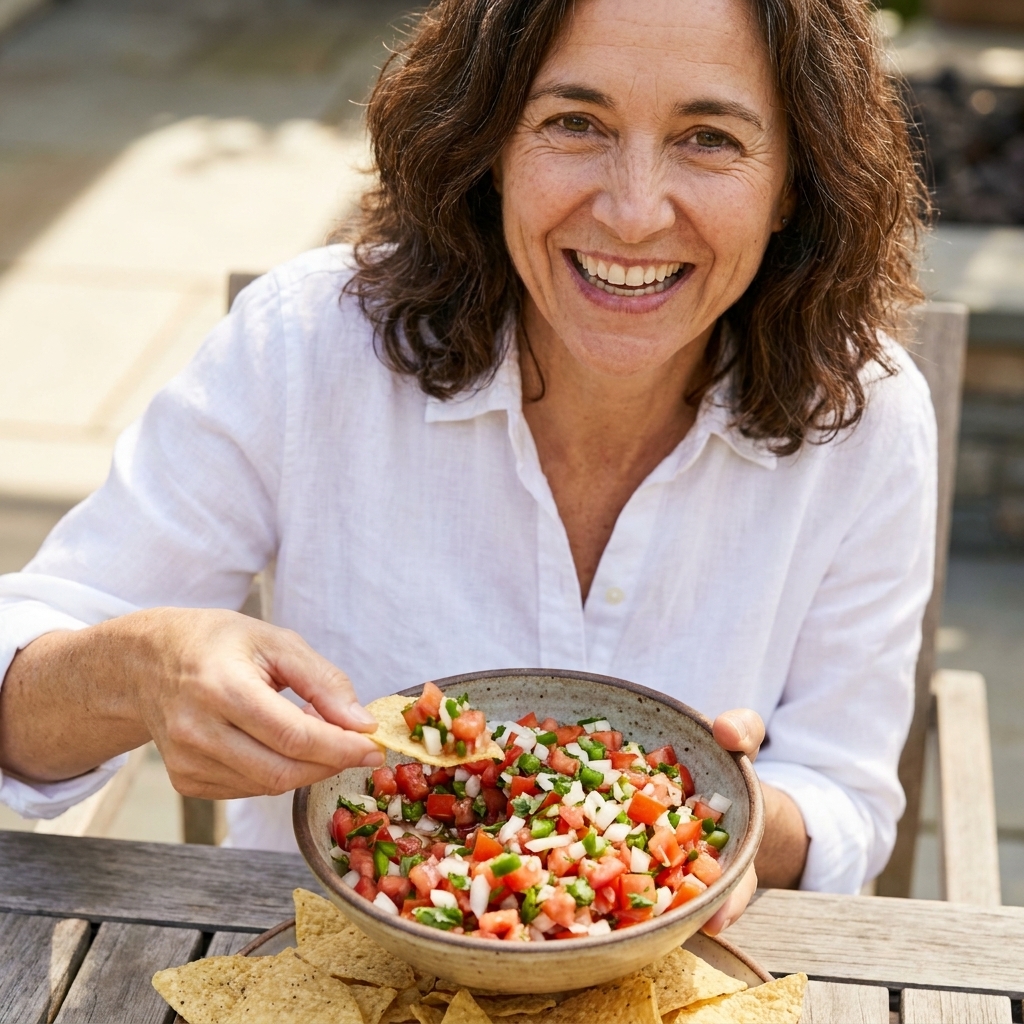
Chunky, fresh pico de gallo and blended salsa bring different textures and flavors to the table. Here’s how to choose the right one for tacos, chips, eggs,...
The Mexi Plate
Fiery Salsa Taquera (Chile de Árbol)

Elena Valdés
Elena Valdés is a Mexican-American home cook and the culinary heart behind MexiPlate. Inspired by the bustling kitchens of her childhood in Jalisco and Texas, she specializes in translating authentic Mexican flavors into approachable recipes for everyday cooks. Whether she is sharing her grandmother's secret for the perfect tamale masa or a quick 30-minute weeknight enchilada bake, Elena believes that good food is the best way to bring people together.
Published October 17, 2026
Updated October 17, 2026
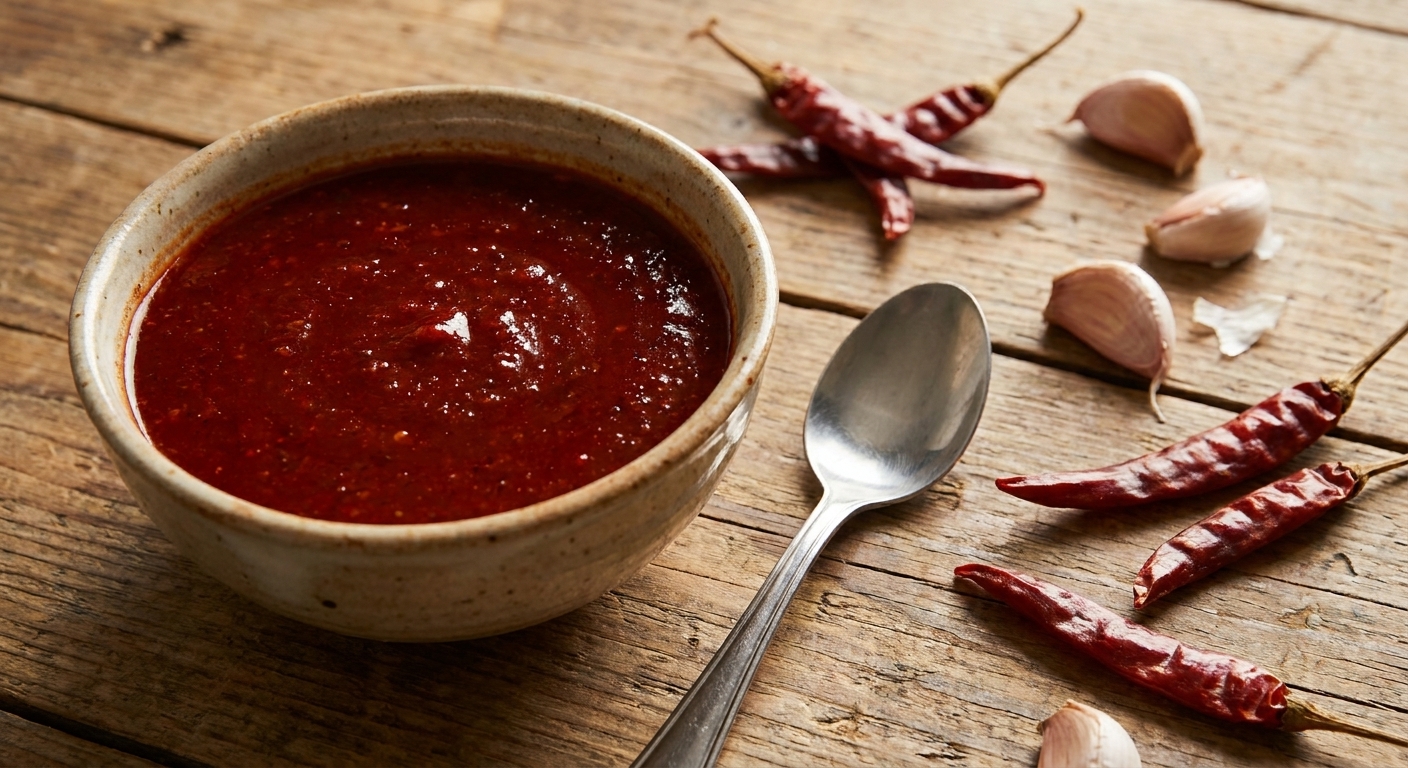
There is a reason this salsa lives on taco carts: it is loud, fast, and unforgettable. Salsa taquera de chile de árbol is that brick-red, smoky-hot sauce that wakes up asada, pastor, tripas, even a humble bean taco. And once you learn how to toast dried chiles safely, you are basically holding the keys to a whole world of Mexican salsas.
I grew up watching my abuela treat dried chiles with the same respect as a hot comal. The line between “toasty and complex” and “bitter and burned” is thin, but I will walk you through it step by step.
What makes salsa taquera different?
In a lot of homes, “salsa roja” can mean many things. Salsa taquera is more of a street-stand style than one single, official recipe: smooth, pourable, chile-forward, and often built on dried chiles (though plenty of taquerías also do tomato or tomatillo-based versions).
- Street-style heat: Chile de árbol brings sharp, direct spice that cuts through fatty meats.
- Toasty depth: A quick toast on a dry pan wakes up the chile oils and makes the flavor rounder.
- Silky-smooth blend: The goal is not chunky pico. It should flow over tacos and cling to carne.
Most taco stands have a few salsas on the table: creamy green, smoky roja, and the “careful, mija” one. This is often that last one.
Ingredients (and why they matter)
This is the classic backbone. Exact heat varies chile to chile, so I will also give you ways to adjust without losing that taquería flavor.
Core ingredients
- Dried chiles de árbol: The star. Look for chiles that are bright red and glossy, not dusty brown.
- Garlic: Adds sweetness and bite. Toasting it briefly gives a deeper flavor.
- Neutral oil: Optional, but very taquería-authentic. It helps the salsa look shiny and taste fuller.
- Salt: Makes the chile flavor pop. Start small and adjust.
- Water: For blending to the perfect pourable consistency.
Optional add-ins (still traditional)
- Tomatillos: A couple tomatillos mellow the heat and add tang. Great if you are making this for a crowd.
- Vinegar or lime: A small splash brightens and slightly extends fridge life.
- Mexican oregano: A pinch adds that taco-stand perfume.
- Cumin: Use lightly, if at all. A tiny pinch can be nice with beef tacos, but too much makes it taste “Tex-Mexy.”
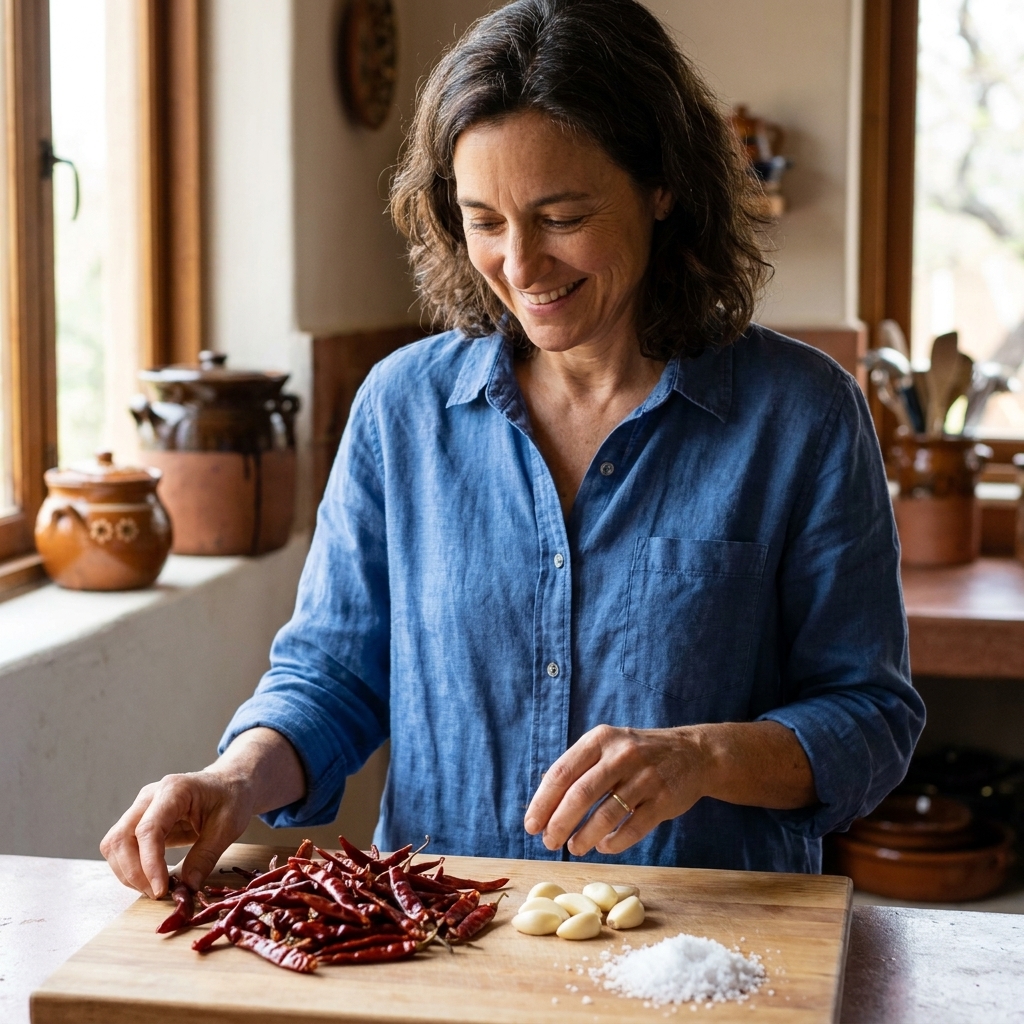
Safety first: toasting dried chiles
Let us talk about the part nobody warns you about: the fumes. When dried chiles hit a hot pan, the capsaicin and oils can irritate your eyes and throat, especially if the chiles scorch. If you have ever over-toasted them and suddenly started coughing, you know exactly what I mean.
My rules for safe, clean toasting
- Ventilation is non-negotiable: Turn on the hood fan, crack a window, or toast near an open door.
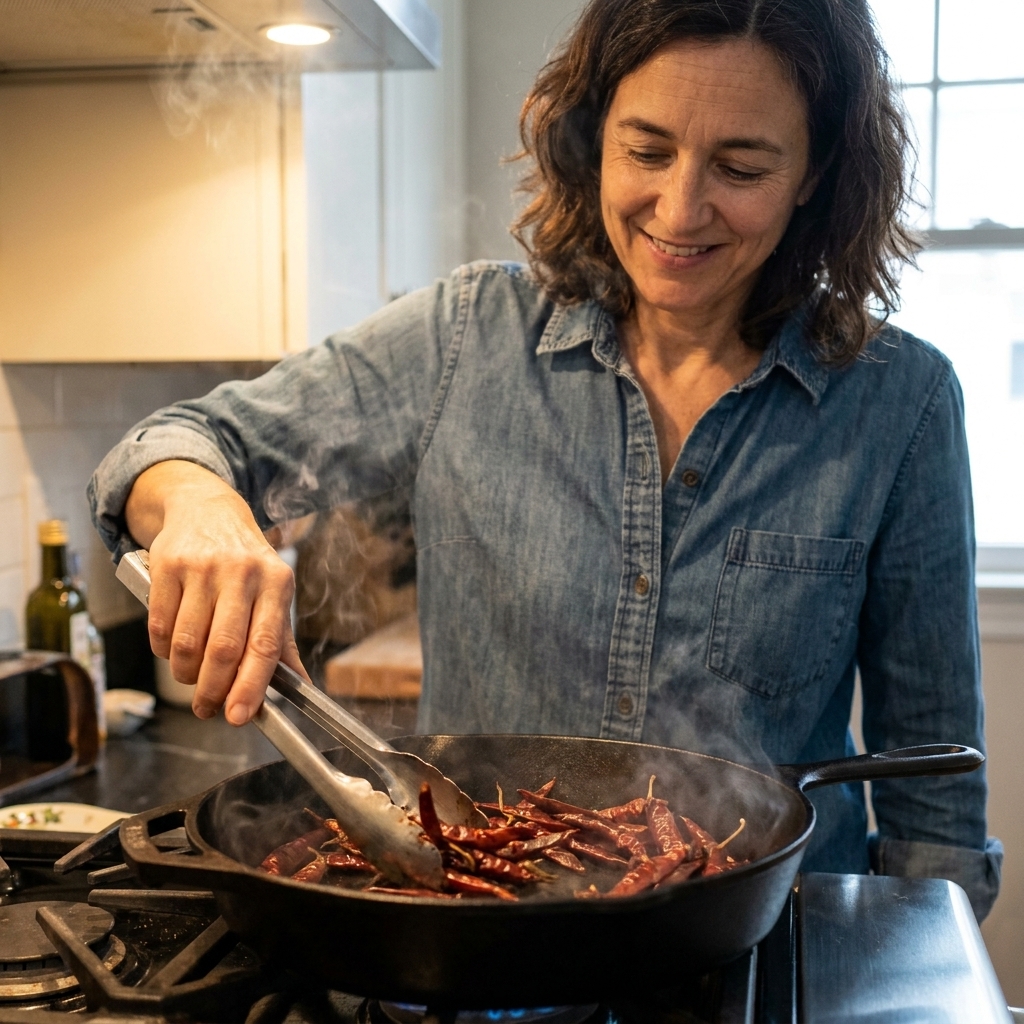
- Medium heat, not high: You want fragrance, not smoke.
- Stay moving: Keep the chiles in motion so they toast evenly.
- Short timing: Think seconds, not minutes.
- If they smell acrid or look blackened: Toss them. Burned chile equals bitter salsa, every time.
Heads up for sensitive eyes and lungs: If you have asthma or you are cooking for someone who does, consider skipping the toast and doing a quick soak instead. You will lose a bit of that toasted edge, but you will still get a delicious, spicy salsa.
Fiery salsa taquera recipe
This method gives you a smooth, glossy salsa with that classic taco cart kick.
Yield: About 1 to 1 1/4 cups, depending on how much water you use.
Ingredients
- 20 to 30 dried chiles de árbol, stems removed (seeds optional)
- 3 to 4 garlic cloves, peeled
- 3/4 cup to 1 cup hot water (plus more as needed)
- 1 to 1 1/2 tsp fine salt, to taste
- 1 to 2 tbsp neutral oil (avocado, canola, grapeseed), optional but recommended
- 1 to 2 tsp white vinegar or fresh lime juice (optional)
1) Prep the chiles
Snip off stems. For a cleaner heat, shake out some seeds and scrape out a bit of the inner ribs (those pale veins inside). For full fire, keep them in. Either way is authentic.
2) Toast quickly
Heat a dry skillet over medium. Add the chiles and toast 10 to 20 seconds, stirring constantly, just until they deepen slightly in color and smell fragrant. Then add the garlic and toast everything together another 15 to 30 seconds, stirring and watching closely so nothing scorches.
3) Soften for blending
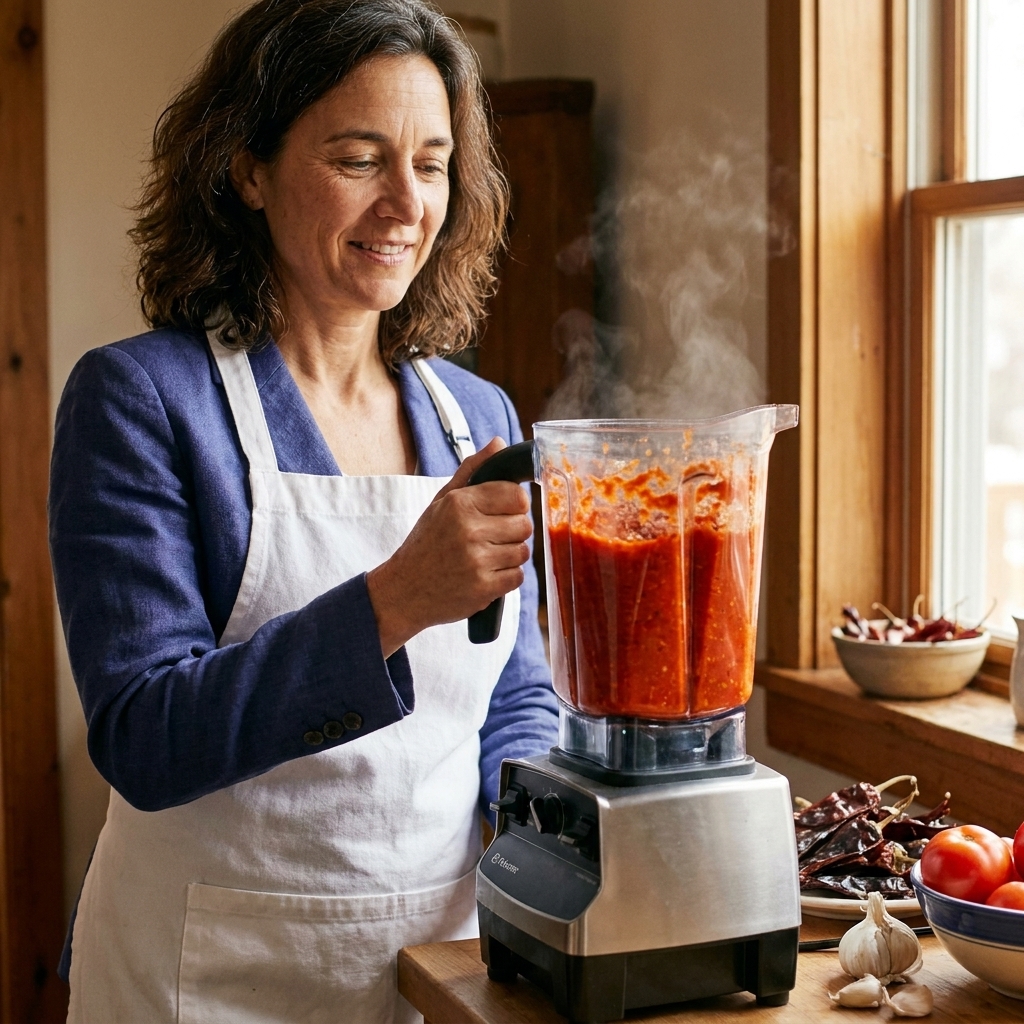
Transfer the toasted chiles and garlic to a blender. Pour in 3/4 cup hot water and let the chiles soak right in the blender jar for 5 to 10 minutes, until pliable.
4) Blend until smooth
Blend 60 to 90 seconds, scraping down as needed. Add salt. If it is too thick, add water 1 to 2 tablespoons at a time until it pours easily.
5) Fry for taquería flavor (optional, but magic)
Heat oil in a small saucepan over medium. Carefully pour in the blended salsa (it may sputter). Simmer 2 to 4 minutes, stirring, until it darkens slightly and smells deeply roasted. This step rounds out harsh edges and gives you that glossy taco-stand finish. It softens the bite, but do not expect it to dramatically reduce the heat.
6) Taste and adjust
Add a splash of vinegar or lime if you want brightness. Adjust salt. If it is too spicy, see my fixes below.
How spicy is it?
Spice level can swing a lot depending on the chiles, but in general, yes: it is hot. The good news is you can control it without making it bland.
Make it less spicy (without losing flavor)
- Use fewer chiles: Start with 15 to 20 and build from there.
- Remove seeds and ribs: Seeds carry heat, but the real burn lives in the inner ribs and pith. Scraping some of that out makes a bigger difference.
- Add 1 to 2 tomatillos: Roast or boil them, then blend in. This stretches the salsa gently.
- Add a small piece of roasted onion: Adds sweetness and body.
- Serve it diluted: Stir a spoonful into crema, mayo, or avocado for a quick spicy sauce.
Make it hotter
- Keep seeds and ribs in.
- Add a couple extra chiles and reduce water slightly for a more concentrated bite.
- Skip tomatillos and keep it chile-forward.
Common mistakes
My salsa tastes bitter
Most likely the chiles burned. Sadly, bitterness does not really “blend out.” Next time: lower heat, shorten toast time, and keep them moving. If the bitterness is mild, try adding a bit more salt and a small splash of vinegar to balance.
My salsa is gritty
Blend longer and add a little more soaking time. Dried chiles need time to soften. If you want it extra smooth, strain through a fine mesh sieve, then re-season. Straining changes texture more than heat.
My salsa is too thin
Simmer it a few minutes, especially if you did the oil-fry step. It will thicken slightly as water evaporates.
My salsa is too thick
Add hot water 1 tablespoon at a time until it pours. Street salsas are usually thinner than homemade ones because they are meant to drizzle.
Variations
Smokier salsa taquera
Add 1 to 2 dried chipotles (or 1 chipotle in adobo) to the blender. This gives you a deeper, campfire note.
Árbol and guajillo blend
Use 10 to 15 chiles de árbol plus 2 guajillos (seeded). You keep heat but gain a richer red color and a slightly fruity chile flavor.
Sesame-árbol salsa
Add 1 tablespoon toasted sesame seeds to the blender. It turns nutty and a little creamy, amazing on carne asada.
What to serve with it
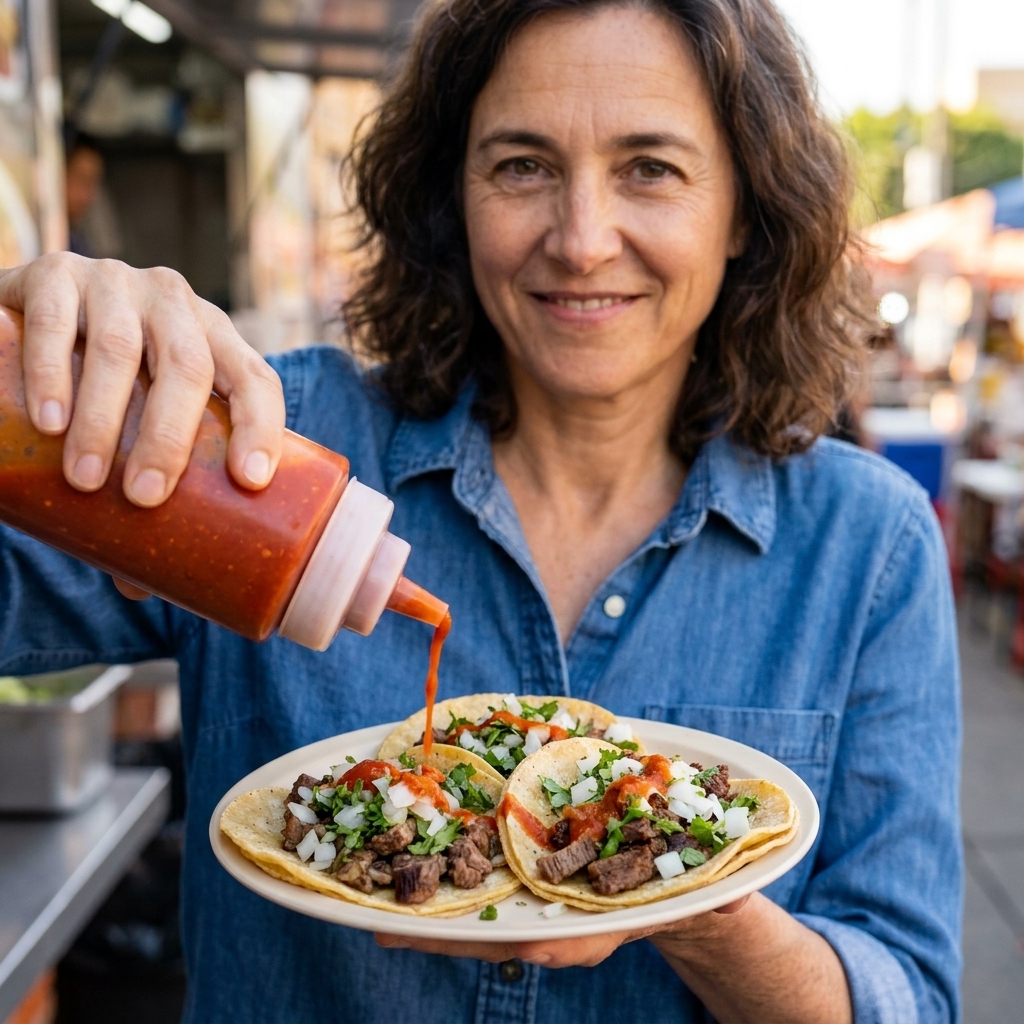
This salsa is at its best with foods that have some richness, because the heat and acidity cut right through.
- Tacos: asada, al pastor, carnitas, suadero, barbacoa
- Eggs: huevos rancheros, scrambled eggs, breakfast tacos
- Beans: frijoles de la olla, refried beans, bean and cheese burritos
- Soups: pozole, caldo de res, tortilla soup (start with a small spoonful)
- Snacks: drizzled over elote, stirred into crema for a quick dip
Storage and make-ahead
- Fridge: Store in a clean jar with a tight lid. It is best within 5 to 7 days. Always refrigerate it, even if you fried it in oil.
- Freezer: Freeze in small portions (an ice cube tray works beautifully), then transfer to a bag for up to 3 months.
- Flavor tip: Like many salsas, it often tastes even better the next day after the chile oils settle.
If you added vinegar, it can help keep the flavor bright a bit longer, but always trust your nose and eyes. When in doubt, toss it and make a fresh batch. It is quick once you have the method down.
FAQ
Do I have to fry the salsa in oil?
No, but it is one of the easiest ways to get that authentic taquería taste at home. Frying mellows sharpness, deepens the color, and gives the salsa a glossy finish.
Can I make this without a blender?
You can use a food processor, but it may stay slightly textured. If you are going old-school with a molcajete, soak the chiles well and grind patiently. It will be thicker and more rustic, but gorgeous.
Why does my kitchen feel “spicy” when I toast chiles?
That is the chile compounds in the air. Keep heat moderate, toast briefly, and ventilate well. If chiles burn, the fumes get much harsher.
Is chile de árbol the same as chile japonés?
They are different chiles, though they can look similar in a bag. Labeling varies by region and retailer, and you may see japonés sold in a way that makes it seem interchangeable with árbol. Either can make a good salsa, but árbol is the classic for that sharp, clean heat.
Can I use dried árbol powder instead?
You can in a pinch, but it will not taste as toasty or fresh. If you do use powder, skip toasting and start with a small amount, then blend with garlic, hot water, and salt. Consider adding a little vinegar for brightness.
One last abuela tip
When you taste, do not judge the heat from a giant spoonful. Touch a drop to a tortilla chip, then wait a few seconds. Chile de árbol heat builds and it is sneaky. Respect it, and it will reward you with the kind of salsa that makes even a Tuesday-night taco feel like the best street stand in town.