Rescue your homemade salsa with taquería-level troubleshooting. Learn how to thicken watery salsa, tame bitterness, and wake up bland flavor with simple, au...
The Mexi Plate
Pico de Gallo vs. Blended Salsa

Elena Valdés
Elena Valdés is a Mexican-American home cook and the culinary heart behind MexiPlate. Inspired by the bustling kitchens of her childhood in Jalisco and Texas, she specializes in translating authentic Mexican flavors into approachable recipes for everyday cooks. Whether she is sharing her grandmother's secret for the perfect tamale masa or a quick 30-minute weeknight enchilada bake, Elena believes that good food is the best way to bring people together.
Published October 17, 2026
Updated October 17, 2026
If you have ever stood in front of your tortilla chips wondering whether you want pico de gallo or “regular salsa,” you are not alone. In my family kitchens in Jalisco and in San Antonio, we always had both on the table, because they do different jobs. Pico de gallo is a crisp, juicy topping. Blended salsa is a pourable sauce that can be raw, roasted, or cooked. Once you feel that difference for real, choosing the right one gets easy.
The main difference
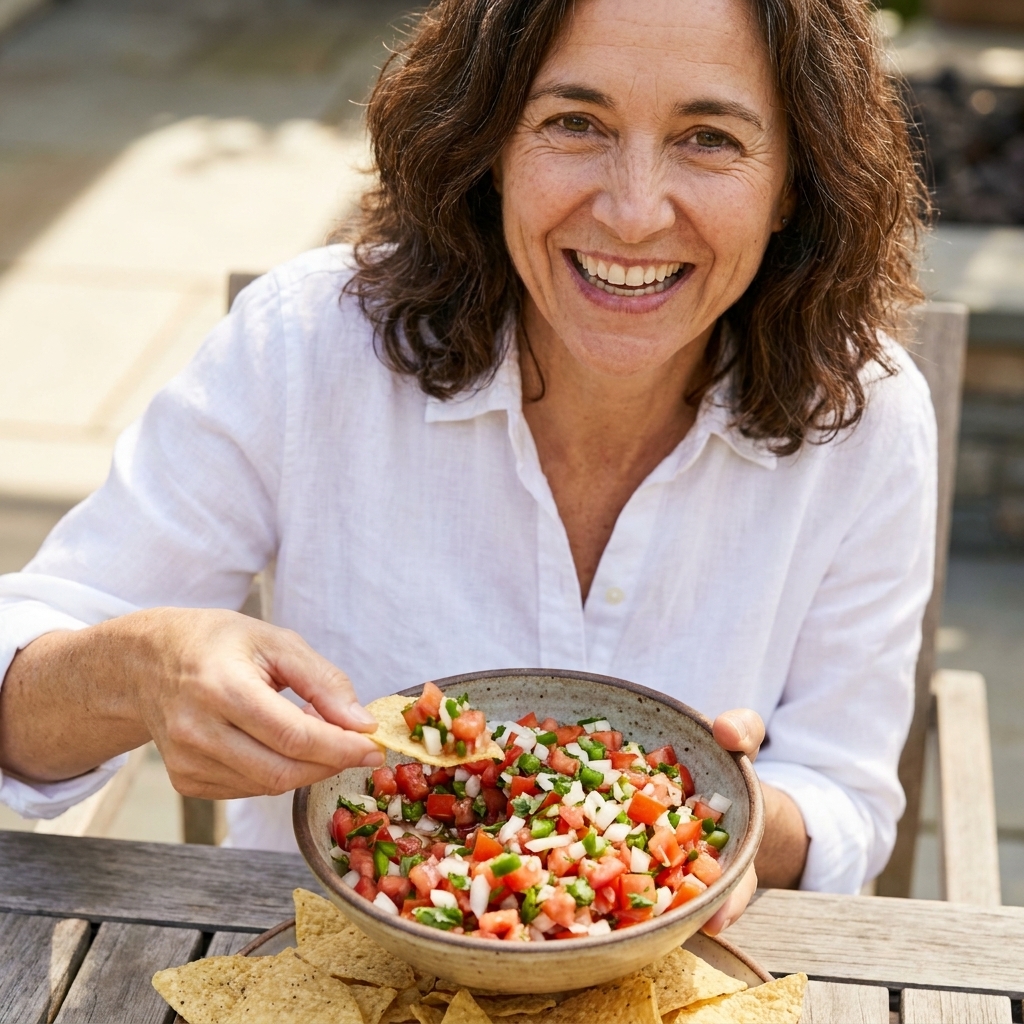
Pico de gallo is a chopped, chunky fresh salsa you scoop like a salad, while blended salsa is a smooth or lightly textured sauce you pour, spoon, or cook into a dish.
What is pico de gallo?
Pico de gallo is a fresh mix of chopped tomato, onion, chile, cilantro, and lime with salt. Nothing gets blended. The goal is clean, bright flavors and a texture that pops. It is often called salsa fresca. You may also hear salsa bandera, a name that can refer to a similar chopped salsa that highlights the green, white, and red colors. Usage varies by region and family.
Typical ingredients
- Tomato: Roma is classic because it is meatier and less watery.
- Onion: White onion for that sharp, traditional bite.
- Chile: Jalapeño or serrano, depending on how much heat you like.
- Cilantro: Fresh and generous.
- Lime and salt: The “on” switch that makes everything taste like itself, only louder.
Texture and flavor
It is crunchy, juicy, and high contrast: the acidity of lime, the bite of onion, and the fresh grassy cilantro. Because it is not blended, each ingredient keeps its identity. You taste little bursts instead of one unified sauce.
Common variations
Most homes have a “house” pico. Some add cucumber for extra crunch, avocado for richness, mango or pineapple for a sweet edge, or swap in tomatillo for a greener, tangier bite. As long as it stays chopped and spoonable, it still does the pico job.
What is blended salsa?
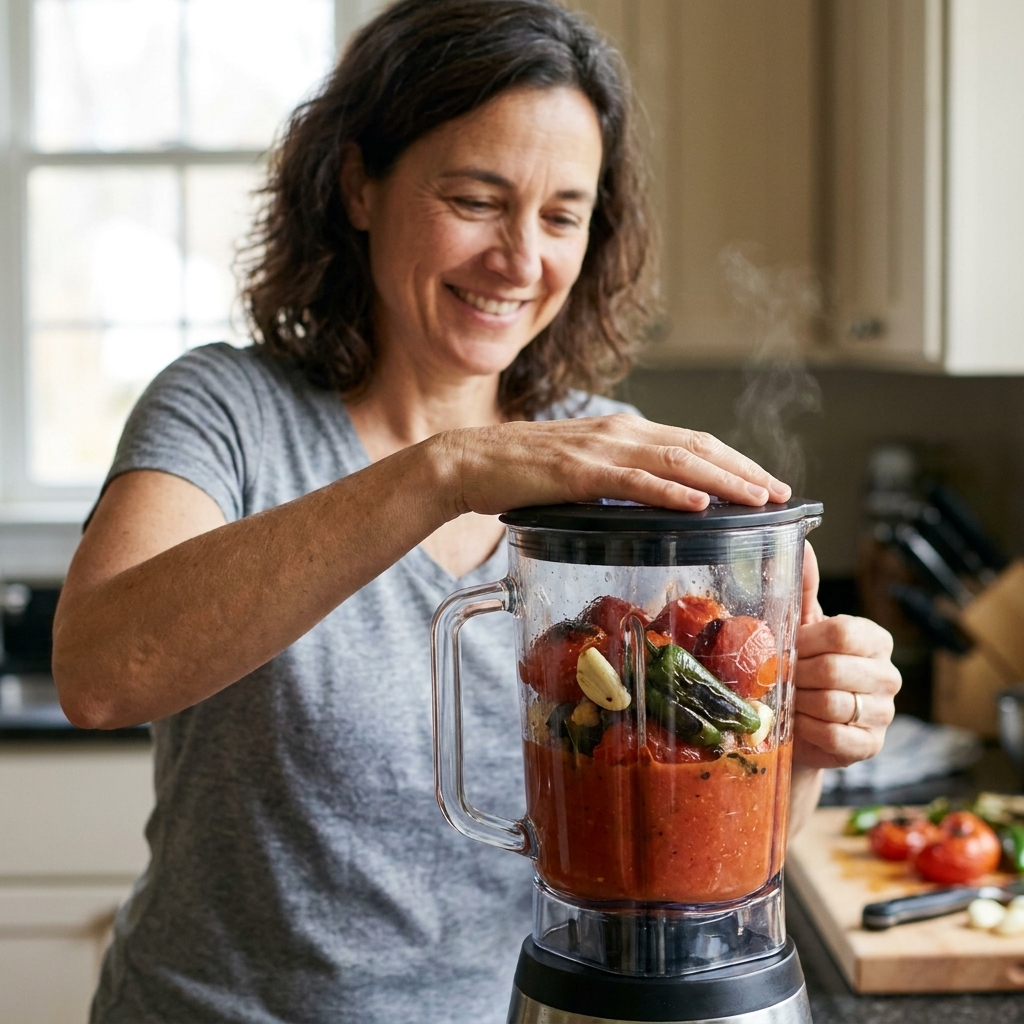
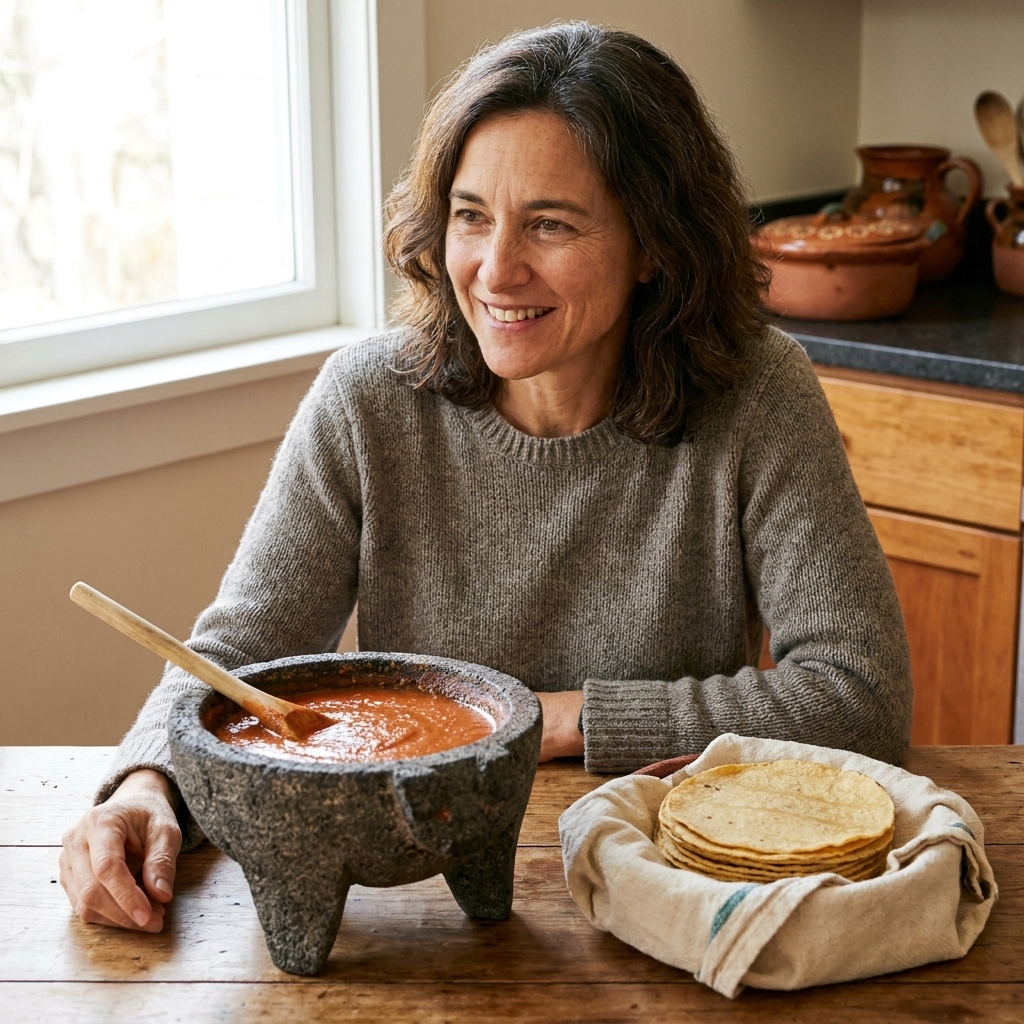
Blended salsa is what many people in the U.S. mean when they say “salsa,” especially at restaurants or in the chip-and-dip aisle. You blend fresh or roasted ingredients into a pourable sauce. It can be raw (quick and bright), roasted (deeper and smoky), or simmered (more rounded and cohesive). In many Mexican homes, a blended salsa is the everyday table salsa, and it changes from house to house.
Common styles
- Salsa cruda (raw blended): Tomatoes, chiles, onion, cilantro, lime, salt. Quick, tangy, and vibrant.
- Salsa tatemada (roasted): Tomatoes and chiles charred on a comal or under a broiler, then blended. Smokier and sweeter.
- Salsa cocida (cooked): Blended, then simmered with a little oil, sometimes with extra liquid like water or broth. Smoother and more unified.
- Salsas with dried chiles: Guajillo, árbol, ancho, pasilla, chipotle. Often soaked and blended, sometimes cooked after. These lean earthy, fruity, and complex.
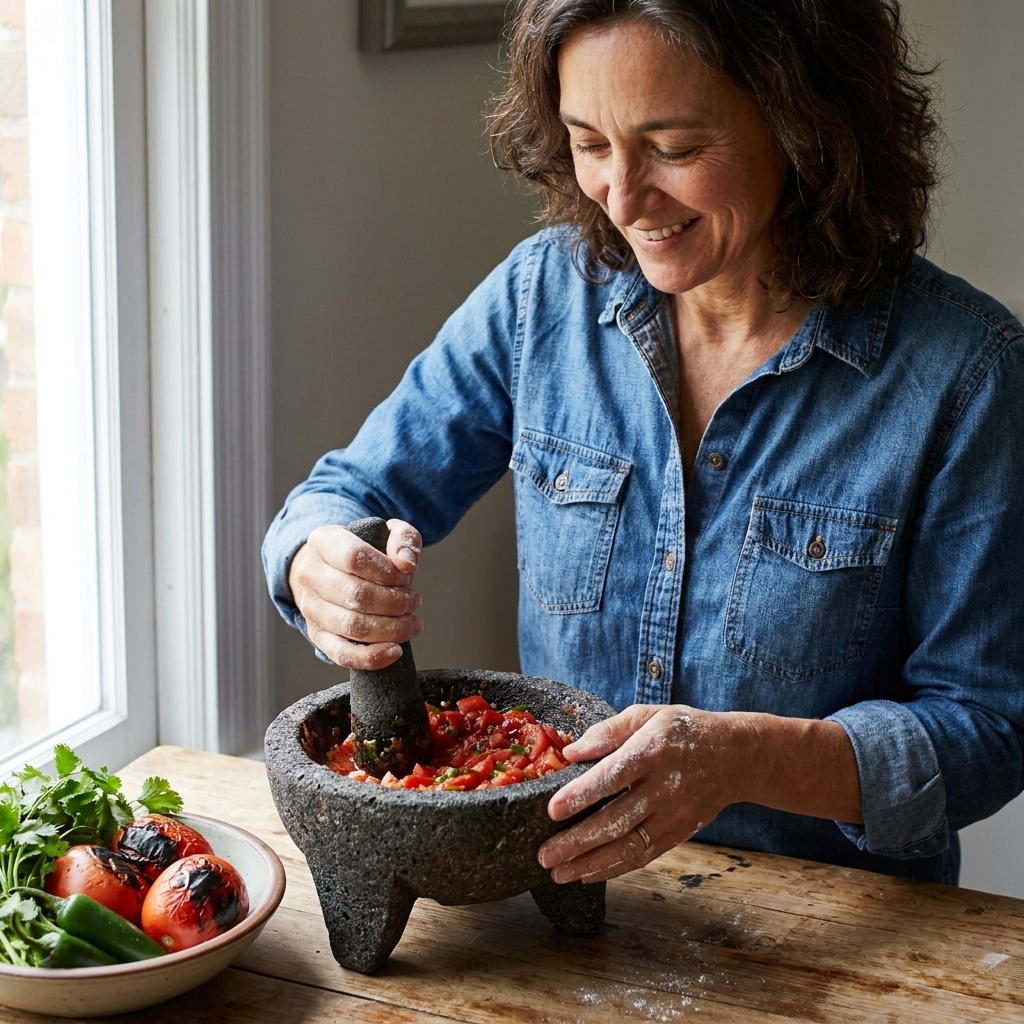
Also, not every blended salsa is silky smooth. Some are intentionally coarse, especially molcajete-style salsas, where you still get texture even though the flavors are mashed and integrated.
Pico vs. blended salsa
1) Texture
- Pico de gallo: Chunky, crisp, spoonable.
- Blended salsa: Smooth to lightly chunky, pourable.
2) Flavor
- Pico de gallo: Bright, fresh, clean, salad-like, often lime-forward when made right.
- Blended salsa: More integrated flavors. Roasted versions taste smoky and sweet. Cooked versions taste mellow and rounded. Dried chile versions can taste deep, earthy, and a little fruity.
3) Heat
- Pico de gallo: Heat hits in little pockets, depending on where the chile landed.
- Blended salsa: Heat is evenly distributed through the whole sauce.
4) Moisture
- Pico de gallo: Releases juice as it sits, which can make tacos and tostadas soggy faster.
- Blended salsa: Can be thin or thick on purpose. A cooked salsa can cling well without flooding your tortilla.
5) How long it lasts
- Pico de gallo: Best the day it is made. Still tasty the next day, but the onion softens and the tomato weeps.
- Blended salsa: Often keeps longer, especially roasted or cooked versions. As a general, conservative guideline, keep both refrigerated and use them within a few days. Cooked salsas can sometimes hold longer, but it depends on the ingredients and how they were handled.
Best uses for pico de gallo
Think of pico as a fresh topping that adds crunch, brightness, and contrast. I reach for it when a dish needs something crisp to cut through richness.
Perfect pairings
- Tacos: Carnitas, barbacoa, bistec, pollo asado, or even bean tacos. Pico brings freshness and texture.
- Carne asada plates: Spoon it over sliced steak with a squeeze of lime.
- Eggs: On scrambled eggs, migas, or breakfast tacos when you want crunch.
- Nachos and tostadas: Add right before serving so you keep the crisp bite.
- Simple proteins: Grilled fish, shrimp, or chicken breast. Pico is like an instant sauce plus salad.
When pico is not the best choice
If you need a salsa that soaks in, coats, or cooks into something, pico will fight you. It stays chunky and watery, and it does not become part of the dish the way a blended salsa does.
Best uses for blended salsa
Blended salsa is your sauce. It can be a dip, a drizzle, a marinade base, or an ingredient that simmers with meat and beans. This is what I use when I want flavor to spread evenly through every bite.
Perfect pairings
- Chilaquiles: You need a blended salsa to coat the chips evenly, especially if you are simmering it first.
- Enchiladas: Red or green blended salsa gives you that smooth coverage for dipping tortillas and baking.
- Tamales and masa dishes: A smooth salsa spooned on top is classic and does not add unwanted chunks.
- Soup and stew boosters: Stir into pozole, frijoles, or caldo for depth.
- Marinades: Salsa tatemada blended with a little citrus makes an easy base for pollo asado or pork.
- Quesadillas and melty cheese: A thin stream of salsa cuts richness without making the filling watery.
How to choose
When you are deciding quickly, ask yourself these three questions:
- Do I want crunch? Choose pico de gallo.
- Do I want coverage? Choose blended salsa.
- Is this going to be cooked or baked? Choose blended salsa almost every time.
Can you swap them?
Using pico instead of blended salsa
You can, but treat it like a topping, not a sauce. If a recipe calls for blended salsa inside a dish (enchiladas, chilaquiles, stews), pico will usually make it watery and uneven. A decent workaround is to briefly blend your pico and then strain or simmer it to thicken.
Using blended salsa instead of pico
This works when you just need heat and acidity, but you will miss the crunch. If you have blended salsa and want a pico-like vibe, add a handful of finely diced onion and cilantro on top right before serving.
Adjusting flavor
If pico tastes flat
- Add more salt in small pinches and toss.
- Add more lime a few drops at a time.
- Let it sit 10 minutes. Tomatoes need a little time to release their juices and mingle.
If pico is too watery
- Use Roma tomatoes and remove some seeds and watery pulp.
- Salt the tomatoes separately for 5 minutes, then drain before mixing.
If blended salsa tastes harsh
- Char your tomatoes, chiles, onion, or garlic, then blend.
- Or simmer the salsa 8 to 12 minutes with a teaspoon of oil and a pinch of salt.
If blended salsa is too spicy
- Blend in more tomato or a piece of roasted onion.
- Add a little more salt and a squeeze of lime to rebalance.
- Serve with something cooling like crema, avocado, or beans.
Common questions
Is pico de gallo a salsa?
Yes. In Mexico, it is one of many salsas. It is just a salsa where the ingredients stay chopped instead of blended.
Why does restaurant salsa taste different from pico?
Many restaurants serve a blended salsa designed to be pourable and chip-friendly. Depending on the place, it may be thinned, strained, roasted, cooked, and or more aggressively salted. Pico is usually chunkier, fresher, and more like a topping.
Which is healthier?
Both can be very healthy. Pico is often lower in sodium if you salt lightly, and it is basically chopped vegetables. Blended salsa can be just as light, but cooked or restaurant-style versions sometimes include more salt or oil. The best choice is the one you will actually eat with real food at home.
Which one is best for chips?
For dipping, blended salsa is usually easier because it clings to the chip. Pico is delicious with chips too, but it can be more of a scoop, and the chip can snap if you load it up.
Do I need to refrigerate them?
Yes. Both are perishable, especially pico. Keep them chilled, and do not let them linger at room temperature for long, particularly outdoors or on a warm counter.
My kitchen rule
If I am building a bite, I grab pico de gallo. If I am seasoning a dish, I grab blended salsa. And if I am hosting, I put both on the table, because someone always wants crunch and someone always wants that smooth, spicy pour.