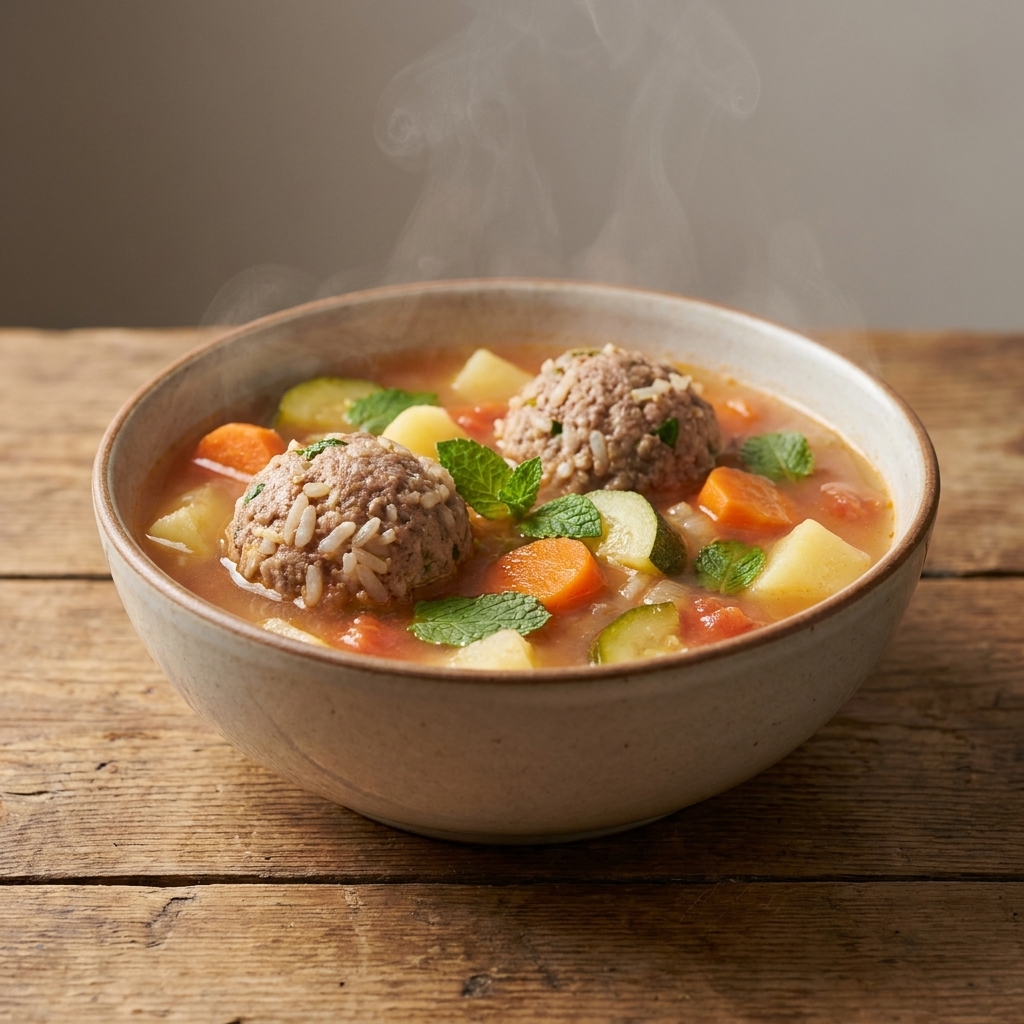
A complete, step-by-step guide to tender, rice-stuffed albóndigas in a vegetable-packed tomato and mint broth, plus the best tips for keeping meatballs soft...
The Mexi Plate
Caldo de Res: Best Beef Cuts and Bones

Elena Valdés
Elena Valdés is a Mexican-American home cook and the culinary heart behind MexiPlate. Inspired by the bustling kitchens of her childhood in Jalisco and Texas, she specializes in translating authentic Mexican flavors into approachable recipes for everyday cooks. Whether she is sharing her grandmother's secret for the perfect tamale masa or a quick 30-minute weeknight enchilada bake, Elena believes that good food is the best way to bring people together.
Published October 17, 2026
Updated October 17, 2026
When I was little, caldo de res meant two things: a pot big enough to feed everyone who “just happened” to stop by, and a broth so golden you could smell it before you opened the lid. In my family, the vegetables were important, yes, but the soul of the pot was always the beef, especially the bones.
If you have ever made caldo that tastes a little flat, or you end up with tough meat and watery broth, it is often a cut and technique problem. The good news is you can fix it with a few smart choices. I’m going to walk you through the best bones and beef cuts for a rich, traditional Mexican caldo de res, plus the easiest ways to shop at a regular grocery store or a Mexican carnicería.
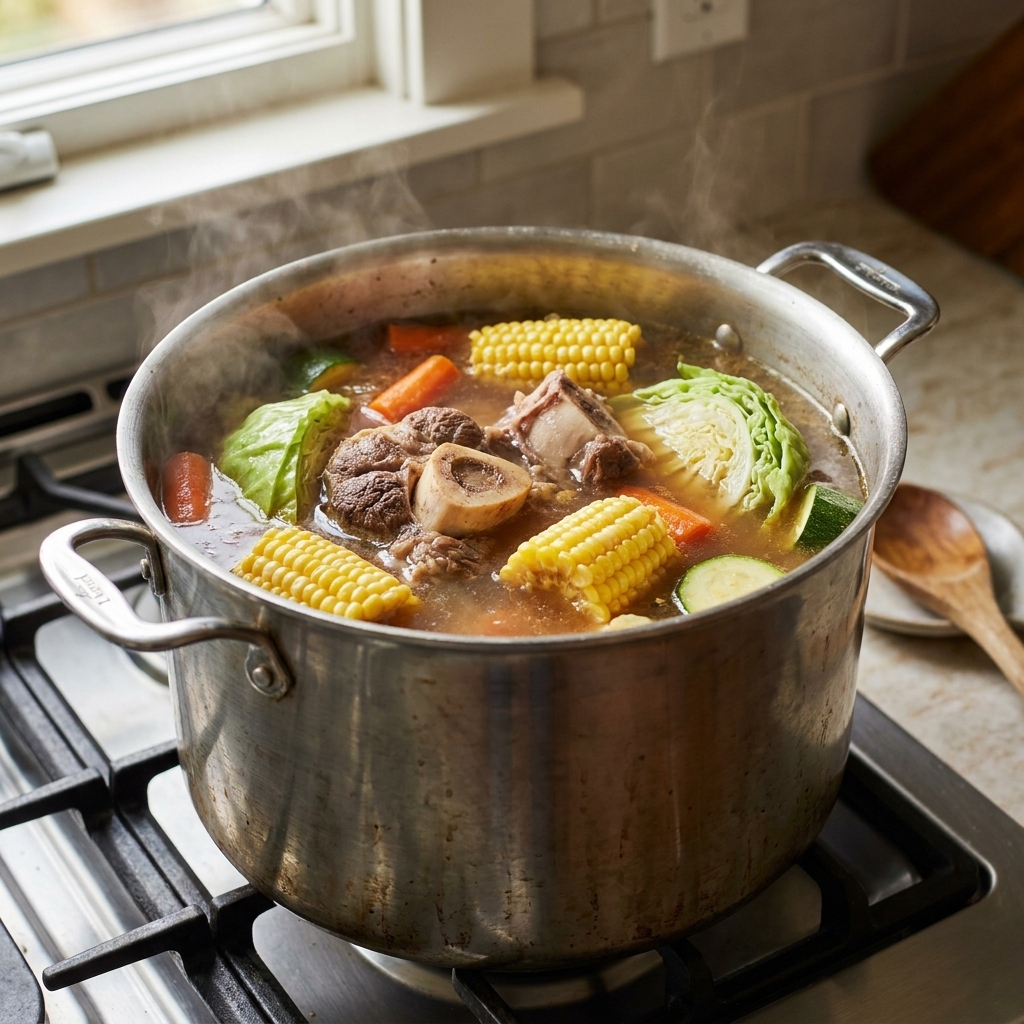
What the beef should do
A great caldo de res has three things happening at once:
- Deep, beefy broth from collagen-rich bones and connective tissue.
- Tender meat that shreds or bites cleanly without turning dry.
- Natural body in the soup, that slightly silky feel that comes from gelatin, not from shortcuts.
To get there, think in layers: bones for richness, a main meat cut for hearty pieces, and optional “bonus” cuts for extra flavor.
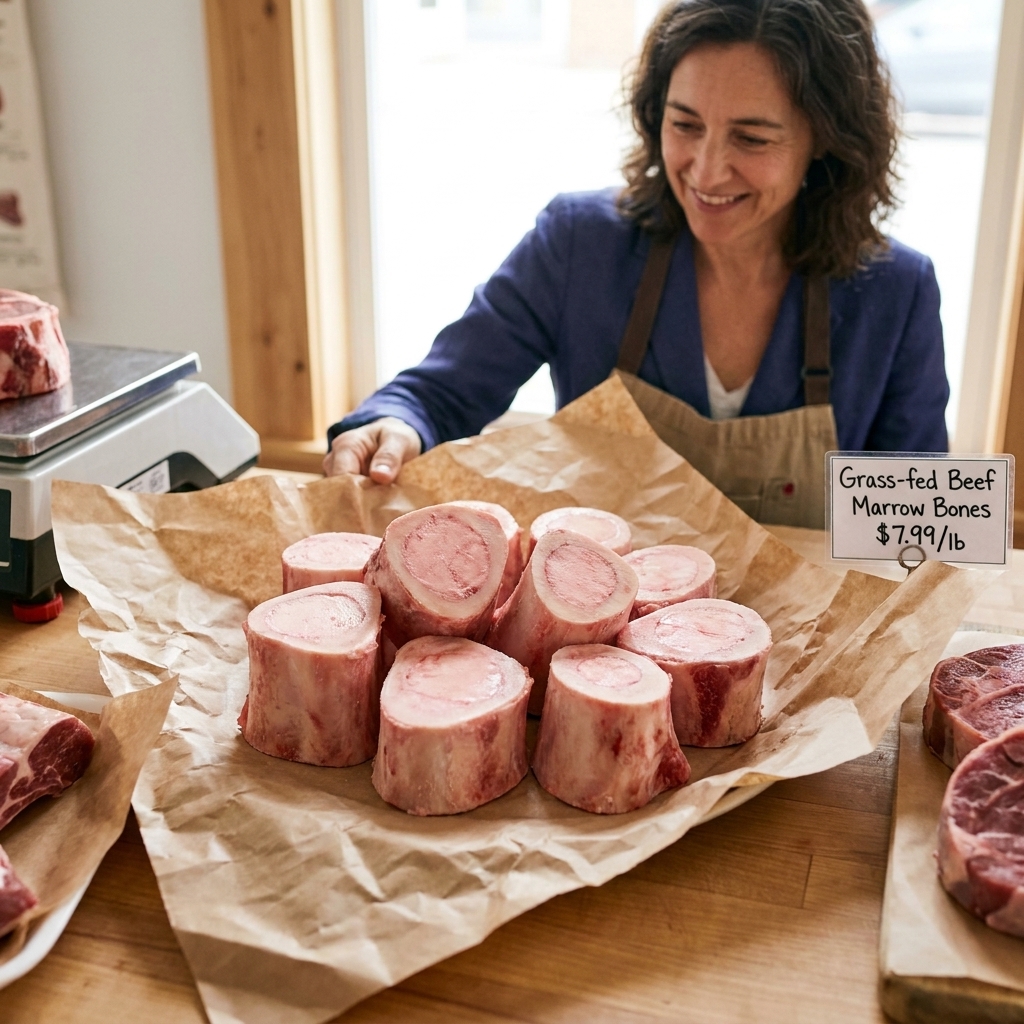
Marrow bones
If you take only one tip from this guide, make it this: use bones, and don’t be shy about it. Bones are where caldo gets that restaurant-level, Sunday-at-abuela’s-house taste.
Best bones for caldo de res
- Beef shank bone (hueso de chamorro): My top pick. You get marrow plus connective tissue, which means flavor and that gorgeous gelatin in the broth.
- Marrow bones (hueso de tuétano): Usually cut into rounds. The marrow softens and renders into the broth, making it taste luxurious.
- Knuckle bones (hueso de nudillo): Less about big marrow pockets, more about collagen. Great for body.
- Neck bones (hueso de cuello): Very beefy and often affordable. They have little bits of meat that make the pot extra tasty.
How many bones to buy
For a big pot (about 8 to 10 servings), I like 2 to 3 pounds of bones total. For a smaller pot, a good starting point is about 1 pound of bones per 3 to 4 quarts of water, then adjust based on how concentrated you like your broth.
What to look for at the butcher counter
- Fresh smell, clean and neutral. If it smells “off,” skip it.
- Cross-cut pieces that show marrow in the center and a ring of meat or connective tissue around it.
- A mix if possible: one marrow-heavy bone (tuétano) plus one collagen-heavy bone (knuckle or shank).
Best beef cuts
Caldo de res is not the place for lean, quick-cooking steaks. You want hardworking cuts that soften slowly and give back flavor to the broth.
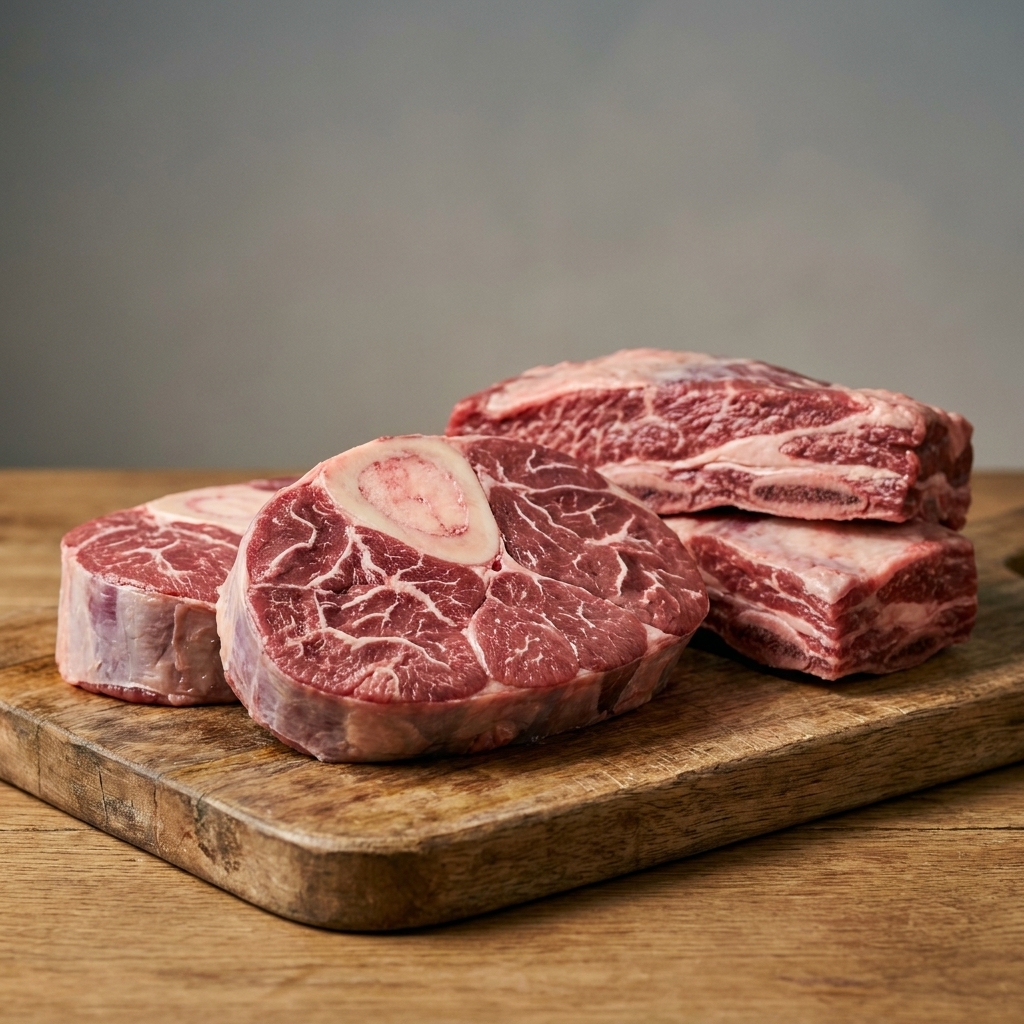
1) Beef shank (chamorro)
Why it works: Shank is the classic. It brings beefy flavor, collagen, and meat that becomes spoon-tender when simmered patiently.
Texture: Rich, hearty, and satisfying. If you want caldo that tastes like it has been cooking all day, shank helps you get there.
Buying tip: Ask for cross-cut shank slices, about 1 to 1.5 inches thick. You may also see it labeled as osobuco (a cross-cut shank slice with bone and meat).
2) Short ribs (costillas cortas)
Why it works: Short ribs add a deep, almost buttery beef flavor. They also leave little pockets of fat that make the broth taste full and round.
Texture: Very tender when cooked long enough. This is the “treat yourself” cut.
Watch for: Too much fat can make the surface greasy. Easy fix: skim after simmering, or chill the broth and remove the fat cap.
3) Chuck roast (diesmillo)
Why it works: Chuck is one of the most practical choices for everyday cooks. It is flavorful, widely available, and becomes tender without falling completely apart.
Texture: Big, meaty pieces that feel substantial in the bowl.
Best use: Pair chuck with marrow bones. Chuck brings the “meat,” bones bring the “broth.”
4) Oxtail (rabo de res)
Why it works: Oxtail is collagen-rich, intensely beefy, and makes an unbelievably silky broth.
Texture: Sticky-tender meat that clings to the bone in the best way.
Reality check: It can be pricey and sometimes scarce. If you see it at a fair price, grab it and freeze it.
Best combinations
If you feel overwhelmed in front of the meat case, pick one of these combos. They all make a classic, full-bodied caldo.
- Most traditional and balanced: Beef shank + extra marrow bones
- Most beefy and rich: Short ribs + knuckle bones
- Best budget-to-flavor ratio: Chuck roast + neck bones
- Most luxurious broth: Oxtail + a small pack of marrow bones
For an average family pot, I aim for 3 to 4 pounds total of meat and bones combined, adjusting based on how “meaty” you want the bowls to be and how much broth you are making.
What to avoid
Very lean stew meat
Lean stew cubes can get dry and stringy, especially if they simmer for a long time. If you already bought them, use them, but add more bones and do not overcook the meat. You can also add the lean pieces later, once the broth is already flavorful.
Brisket
Brisket can be delicious, but it is easy to overshoot into “crumbly pot roast” territory. If you love brisket, pair it with marrow bones and keep the simmer gentle.
Ground beef
Not for caldo de res. It clouds the broth and changes the whole personality of the soup.
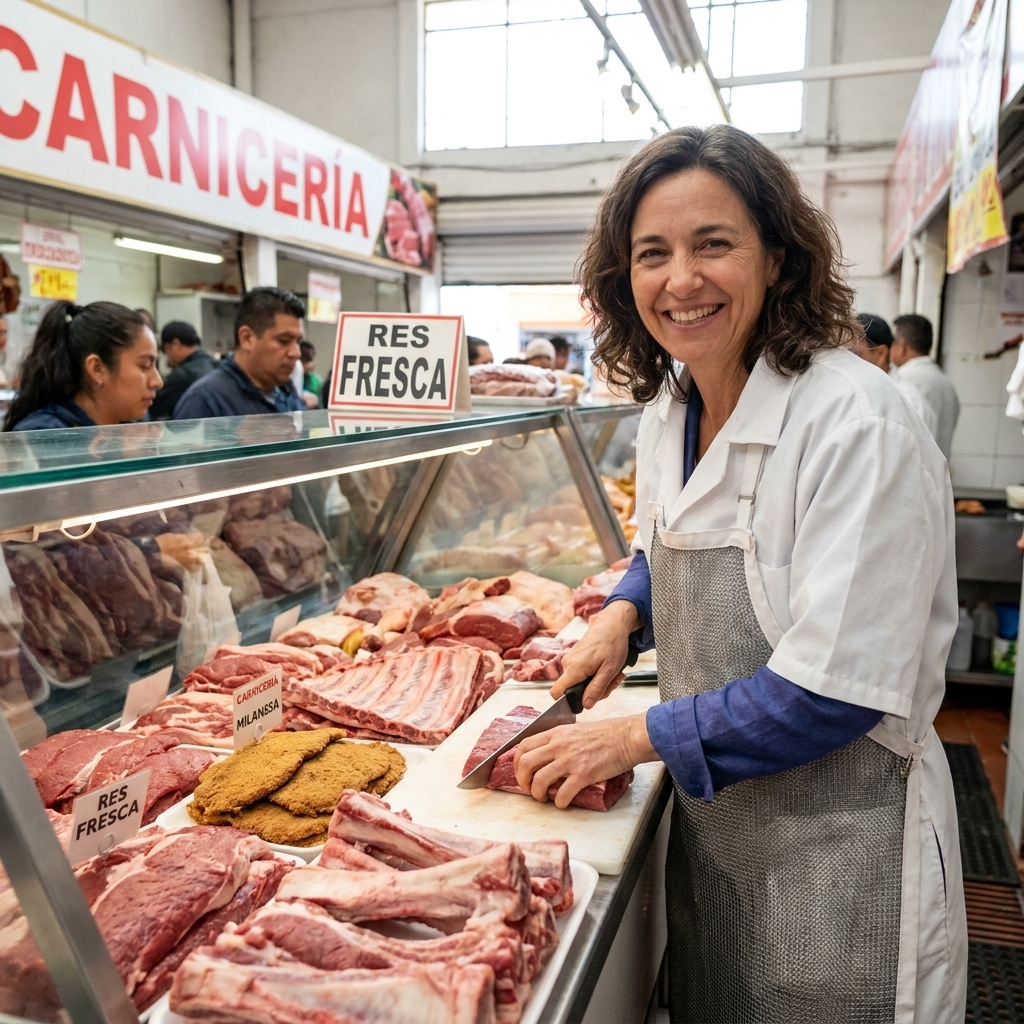
How to shop at a carnicería
Walking into a Mexican butcher shop can feel like a superpower once you know the words. Here are simple, friendly phrases you can use:
- “¿Me puede dar chamorro para caldo (o para sopa)?” (Can you give me shank for soup?)
- “Quiero huesos con tuétano.” (I want marrow bones.)
- “¿Tiene hueso de nudillo?” (Do you have knuckle bones?)
- “¿Tiene hueso de rodilla?” (Do you have knee/knuckle bones? Terminology can vary by region and shop.)
- “¿Me lo puede cortar para caldo, por favor?” (Can you cut it for soup, please?)
If your Spanish is rusty, no stress. You can also say “for soup” and point. Butchers are used to it, and most will happily help you choose a good mix.
Clean broth tips
Some families always blanch bones first, some never do. Both can be authentic. Here is the practical version that gives you a cleaner broth with less effort later.
Option A: Quick blanch
- Cover bones and meat with water in a pot.
- Bring to a boil for 5 to 7 minutes.
- Drain, rinse the meat and bones, rinse the pot.
- Start again with fresh water and begin your long simmer.
Option B: No blanch, just skim
Bring to a gentle boil, then lower to a simmer. Skim the foam that rises during the first 20 to 30 minutes. This method keeps more of that beefy intensity in the pot, but you need to be attentive at the start.
The most important rule
Keep it at a gentle simmer. A hard boil breaks up impurities and makes the broth cloudy. Low and slow is how you get that clean, golden soup.
Salt and timing
A lot of “flat” caldo is simply under-seasoned. I like to salt lightly at the beginning so the meat starts absorbing flavor, then taste and adjust near the end once the broth has reduced a bit. If you are using very salty bouillon (some people do), go easy until the finish.
Also, watery broth is not just about the cut. It can happen if you add too much water, do not simmer long enough, or you do not have enough bones in the pot.
How long to simmer
These are real-life ranges, not strict rules. Your pot size, how vigorous your simmer is, and how thick the cuts are will all change the timeline.
- Shank (chamorro): about 2 to 3 hours, until the meat is fork-tender and the connective tissue looks relaxed, not tight.
- Chuck: about 1.5 to 2.5 hours, until a fork slides in easily and the pieces hold their shape.
- Short ribs: about 2 to 3 hours, until the meat is tender and starting to pull away from the bone.
- Oxtail: about 3 to 4 hours, until the broth feels silky and the meat is very tender.
I add vegetables when the meat is nearly there, so the vegetables stay vibrant instead of turning mushy.
Fat: flavor, not fear
A little fat is part of what makes caldo de res taste like caldo de res. If your broth looks too greasy, you have options:
- Skim while hot with a spoon or small ladle.
- Chill and lift the fat cap off the top the next day. This is the easiest and neatest method.
- Choose a leaner mix next time: shank plus knuckle bones instead of lots of short ribs.
Swaps if you cannot find classics
Not everyone has a carnicería nearby. Here are swaps that still get you close to that traditional flavor:
- No shank? Use chuck roast plus a pack of “soup bones” from the grocery store.
- No marrow bones? Look for knuckle bones, neck bones, or anything labeled collagen bones.
- No oxtail? Use short ribs or shank, then add one collagen-heavy bone (knuckle) to mimic that silky body.
- Only boneless meat available? Buy the meat you like, but add at least 1 to 2 pounds of bones for the broth.
Quick FAQ
Bone-in or boneless?
Bone-in is best for broth flavor and body. If you must use boneless, add marrow or knuckle bones so the soup still tastes rich and traditional.
Why is my beef tough?
Usually it is either the wrong cut (too lean) or it needs more time at a gentle simmer. Tough cuts become tender, but they need patience.
When do I add vegetables?
Most cuts need 1.5 to 2.5 hours to start turning tender. I add vegetables when the meat is nearly there, so the vegetables stay vibrant instead of turning mushy.
Can I mix cuts?
Yes, and it is often the best approach. Mixing one beefy meat cut (chuck, shank, short ribs) with one collagen or marrow bone gives you the most satisfying pot.
Storing leftovers
Caldo de res is one of those soups that gets even better the next day. Cool it down, refrigerate it, and enjoy it within 3 to 4 days. For longer storage, freeze it. If you chill the broth overnight, you can also lift off the fat cap in one clean layer before reheating.
My perfect pot
If you want a classic caldo de res that tastes like home on the very first try, here is what I would buy:
- 2 pounds cross-cut beef shank
- 1 to 1.5 pounds marrow bones
- Optional: 1 pound chuck roast for extra meaty bowls
That combination gives you a broth with real body, tender beef, and enough marrow richness to make the whole pot taste like you have been cooking for your whole block.
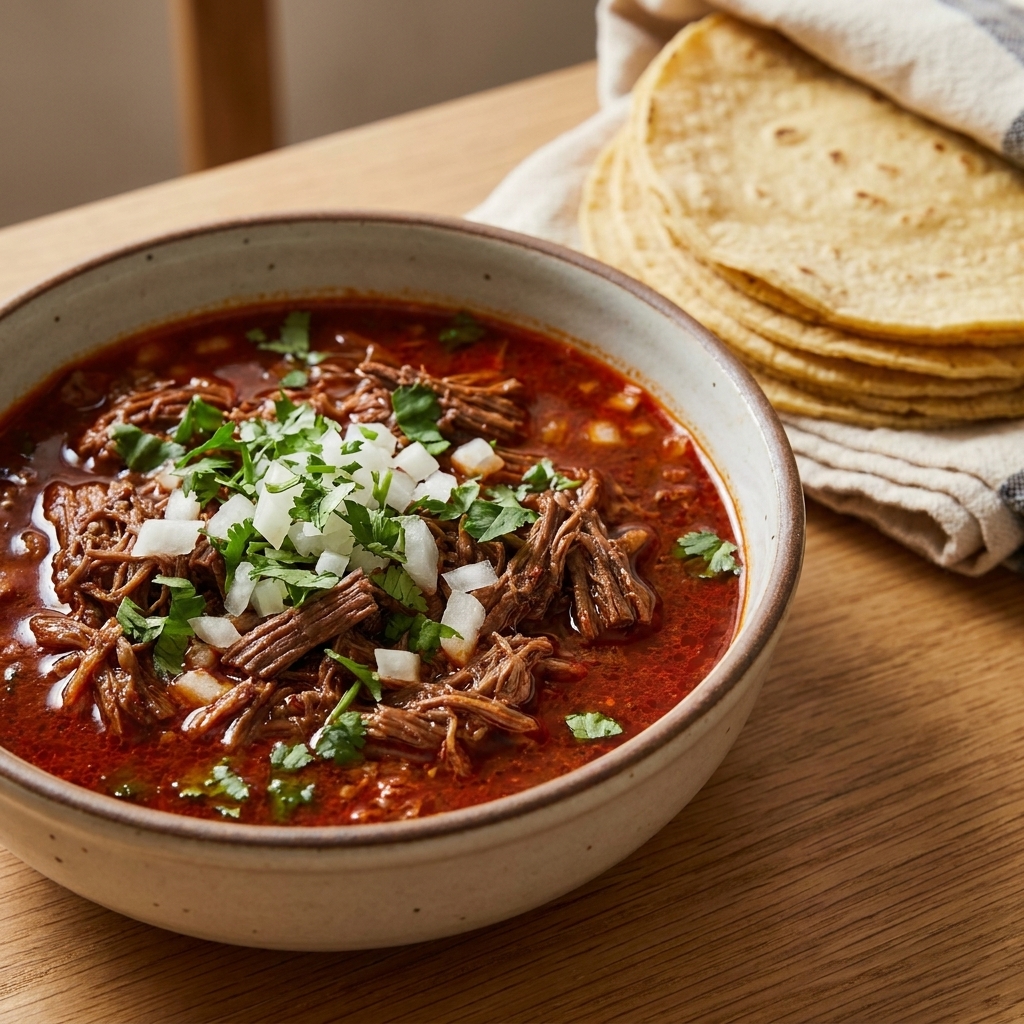
And when you ladle it into bowls, do not forget the finishing touches that make caldo sing: lime, chopped cilantro, white onion, and a warm stack of tortillas on the side.