A cozy, from-scratch pozole rojo with real dried chiles, slow-simmered pork, and all the classic toppings. Step-by-step chile prep and timing tips included.
The Mexi Plate
Pozole Rojo, Verde, and Blanco: What’s the Difference?

Elena Valdés
Elena Valdés is a Mexican-American home cook and the culinary heart behind MexiPlate. Inspired by the bustling kitchens of her childhood in Jalisco and Texas, she specializes in translating authentic Mexican flavors into approachable recipes for everyday cooks. Whether she is sharing her grandmother's secret for the perfect tamale masa or a quick 30-minute weeknight enchilada bake, Elena believes that good food is the best way to bring people together.
Published October 17, 2026
Updated October 17, 2026
Pozole is one of those dishes that feels like a celebration even on an ordinary Tuesday. It is a deeply comforting Mexican hominy stew, built on a long-simmered broth and finished with crunchy, bright toppings that wake up every spoonful. Three of the most common styles you will see are pozole rojo, pozole verde, and pozole blanco (also called natural in some places). Same soul, different personalities. And like most beloved Mexican dishes, details shift a little from region to region and family to family.
I grew up with pozole on both sides of my life: in Jalisco, where weekends smelled like chiles toasting and garlic frying, and later in San Antonio, where a big pot meant family was coming over. If you have ever stared at a menu wondering which one to order, or you want to cook it at home and do it right, here is the real difference, explained in plain kitchen language.

What is pozole?
Pozole is a hominy-based stew. Hominy is dried corn that has been treated in an alkaline solution (a traditional process called nixtamalization), which makes the kernels plump, tender, and slightly chewy. In pozole, those kernels soak up broth like little flavor sponges.
Most home cooks make pozole with pork (especially shoulder or butt), but chicken is very common too. Beef is less traditional in many regions, but you will see it in some households.
What makes the three styles different is mainly the base:
- Rojo: dried red chiles and a deeper, earthy broth.
- Verde: tomatillos, green chiles, and herbs for a brighter, tangier broth.
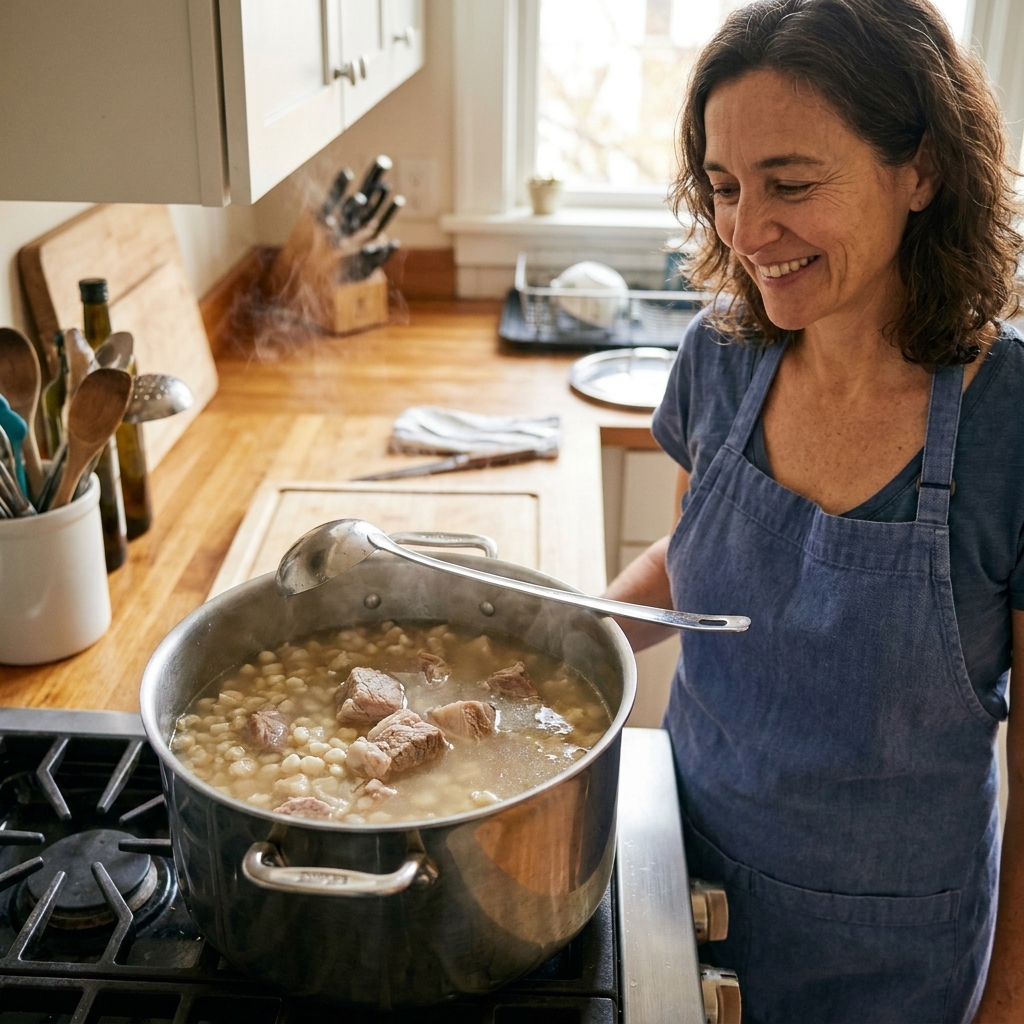
- Blanco: a clear, typically chile-free broth that lets the pork and hominy shine, with heat added at the table.
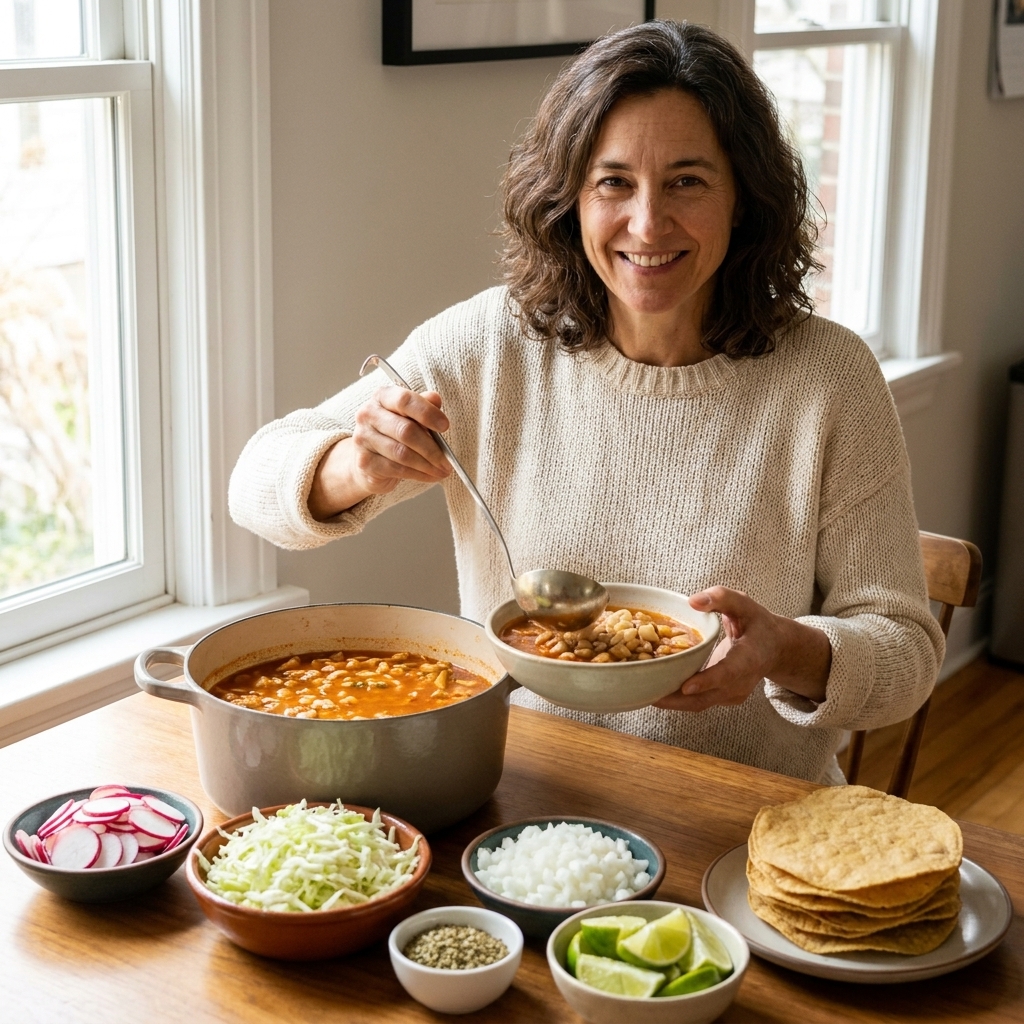
One thing they all share: a toppings moment. Lime wedges, crunchy cabbage or lettuce, radishes, onion, oregano, and something crispy like tostadas show up again and again. The fun is in the little differences.
Pozole rojo
How it tastes
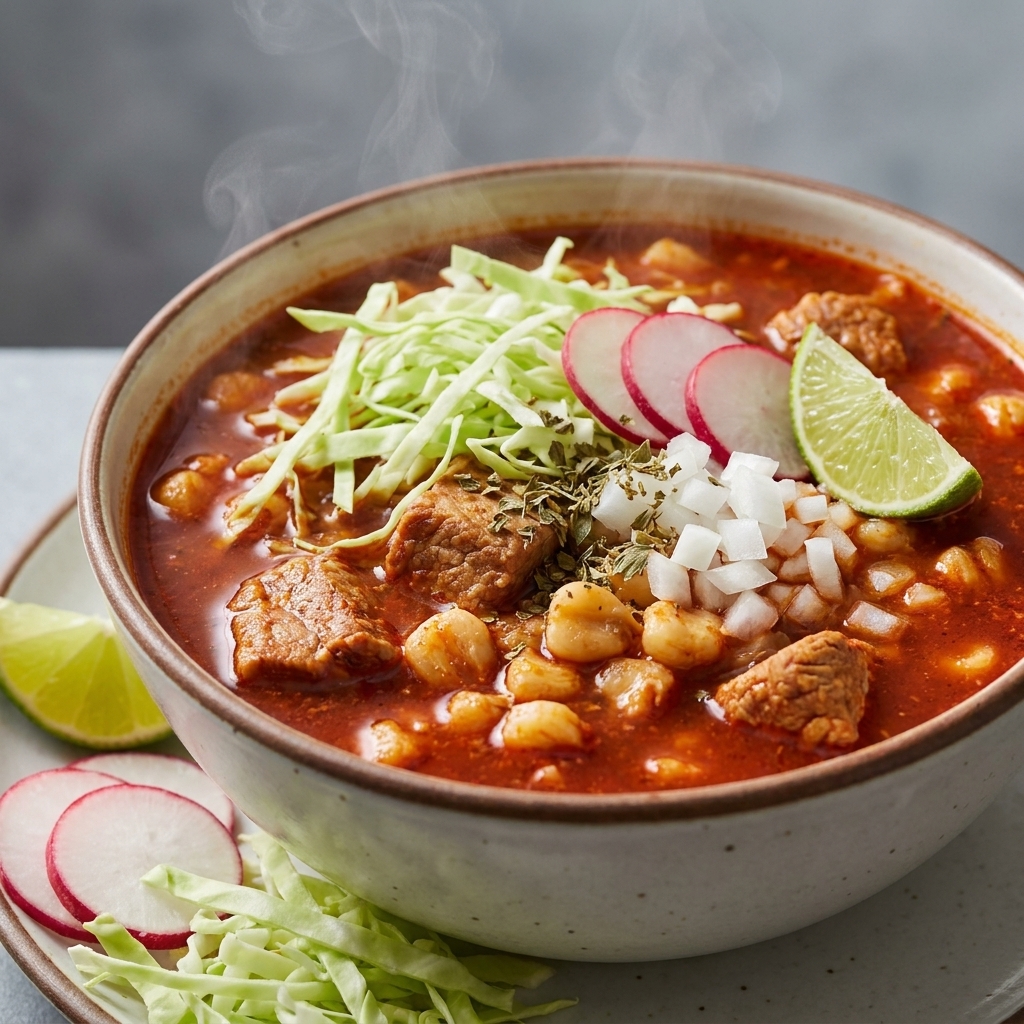
Pozole rojo is the bold one. The flavor is toasty, earthy, and chile-forward, with a gentle smokiness depending on the chiles you use. It is not automatically “spicy” (that depends on your chile choices), but it is always deeply savory and warming.
Traditional ingredients
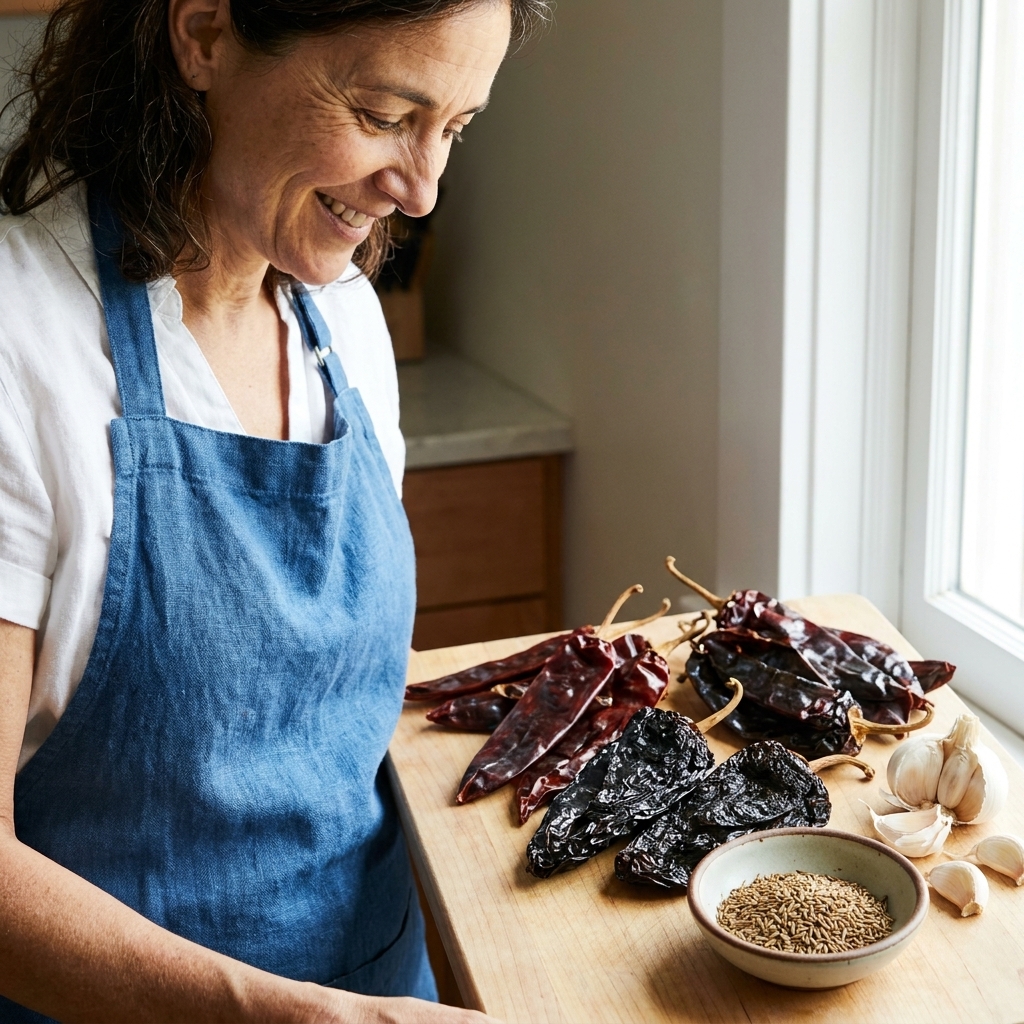
The signature comes from dried red chiles. Common combinations include:
- Guajillo for mild heat and a clean, red chile flavor
- Ancho for sweetness and raisin-like depth
- Pasilla (chilaca) for darker, earthy notes
- Chile de árbol in small amounts if you want noticeable heat
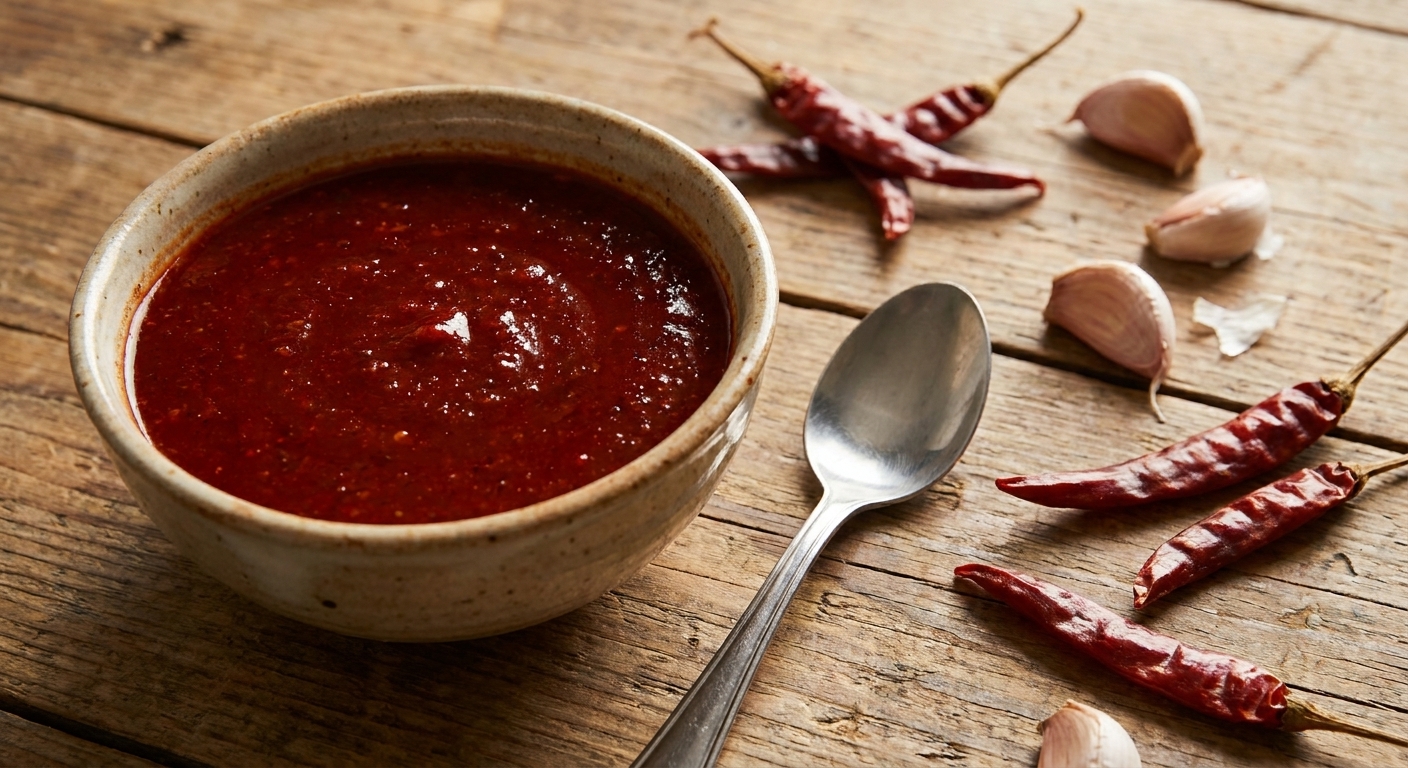
Those chiles are usually toasted lightly, soaked, then blended into a smooth sauce with garlic and sometimes onion, cumin, and oregano. That sauce gets strained and simmered into the broth, turning it brick red.
Meat: pork is classic, especially pork shoulder plus a few bones for body.
Hominy: canned hominy is totally acceptable for everyday cooking. Just rinse it well so the broth stays clean-tasting.
Regional roots
You will find pozole rojo in many parts of Mexico, but it is especially associated with the Pacific and western states. In Jalisco, it is a beloved staple, often served with a mountain of shredded cabbage and plenty of lime. Across the region, the exact chile blend shifts from family to family.
Great toppings for rojo
Think crisp, fresh, and acidic to balance the depth:
- Shredded cabbage or lettuce
- Sliced radishes
- Diced white onion
- Mexican oregano, rubbed between your fingers
- Lime wedges (non-negotiable in my kitchen)
- Tostadas or tortilla chips
- Optional: sliced avocado for extra richness
Pozole verde
How it tastes
Pozole verde is bright, herby, and a little tangy. The broth tastes fresh and lively, with a green chile warmth that feels lighter than pozole rojo, even when the bowl is just as hearty.
Traditional ingredients
The green base usually starts with tomatillos. From there, the flavor depends on the region and the cook. Ingredients you will commonly see include:
- Tomatillos, simmered or roasted
- Green chiles like jalapeño or serrano
- Cilantro and, in some kitchens, epazote (if you can find it)
- Pepitas (pumpkin seeds) in some regional versions, to thicken and give a nutty, silky body
- Romaine or spinach in some regional versions, blended in for color and a gentle vegetal note
That blended salsa verde gets cooked into the broth. If pepitas are involved, you get a gorgeous, slightly creamy texture without any dairy.
Meat: chicken is very common for verde, but pork is also traditional. Both work beautifully.
Regional roots
Pozole verde is strongly connected to Guerrero, where you will see versions thickened with pepitas and packed with green aromatics. It is also popular throughout central Mexico, with small twists depending on what is growing locally.
Great toppings for verde
Because the broth is tangy and herbal, toppings that add crunch and richness are perfect:
- Sliced radishes and shredded cabbage
- Diced onion and extra cilantro
- Lime wedges
- Avocado slices
- Tostadas
- Optional, and especially common in some places: a spoonful of crema

Pozole blanco
How it tastes
Pozole blanco is the pure, comforting baseline. The broth is clear to lightly golden, focused on the flavor of well-cooked meat, aromatics, and hominy. It is cozy and straightforward, and the heat is usually added at the table with salsa or chile oil.
Traditional ingredients
Because there is typically no chile blended into the pot, technique matters. A good pozole blanco depends on:
- Meat and bones for a broth with body (pork shoulder plus neck bones or ribs is a classic combo)
- Aromatics like onion and garlic
- Bay leaf and Mexican oregano
- Hominy added once the broth is on its way
Many families keep it simple, then let everyone customize their bowl with salsa, dried chile flakes, or a spoon of chile de árbol salsa. In other words, pozole blanco is a choose-your-own-adventure pot.
Regional roots
Pozole blanco shows up across Mexico and is often considered the “base style” that can become rojo or verde. In some households it is the default for gatherings because it is friendly to different spice preferences.
Great toppings for blanco
All the classics work, plus you can bring the heat with salsas:
- Shredded cabbage or lettuce
- Radishes, onion, lime
- Mexican oregano
- Tostadas
- Salsa roja or salsa verde on the side
- Dried chile flakes or a drizzle of chile oil
Quick comparison
If you are deciding what to cook or order, here is how I describe it to friends:
- Pick pozole rojo if you want deep chile flavor, a richer broth, and that classic red pozole vibe.
- Pick pozole verde if you love tangy tomatillos, fresh herbs, and a slightly lighter, brighter finish.
- Pick pozole blanco if you want a clean, savory broth and prefer to control the spice with toppings and salsa.
Hominy, meat, and broth
Hominy tips
- Rinse canned hominy well to remove the canning liquid.
- Simmer long enough for the hominy to soften and open up a bit. That is when it turns extra tender and absorbent.
- If you ever cook dried hominy, give yourself time. It is absolutely delicious, but it is a weekend project with soaking and a longer simmer.
- If you can find hominy from a Latin market or tortillería-style source, it often has a fresher corn flavor and a bouncier bite than standard canned. Use what you can get and do not overthink it.
Best cuts of meat
- Pork shoulder (butt) is forgiving, flavorful, and shreds beautifully.
- Add bones (neck bones, ribs) if you want a broth with that restaurant-style richness.
- Chicken thighs are my top choice for chicken pozole because they stay juicy.
The broth matters
Even if you are making rojo or verde, start with a broth that tastes good before the chile or tomatillo base goes in. Salt gradually, skim foam as it simmers, and let the pot do its slow, patient work. Pozole is not hard, but it does reward you for taking your time.
Common questions
Is pozole rojo always spicy?
No. Guajillo and ancho bring more color and flavor than heat. If you add chile de árbol or keep some seeds in the blend, then it becomes spicy. You are in control.
Is pozole verde made with salsa verde?
Basically yes, but think of it as a cooked salsa verde that becomes the stew base. Many traditional versions include pepitas for thickness and a nutty depth you will not always get from a quick taquería salsa.
Why does my pozole taste flat?
Usually it needs one of these: more salt, more lime at the table, or more oregano. And if you are making rojo or verde, make sure you cook the blended base for a few minutes in oil or in the hot pot before adding lots of liquid. That step helps the flavor bloom.
Can I make pozole ahead?
Yes, and it often tastes better the next day. Store the stew and the toppings separately. Reheat gently, and refresh each bowl with crisp toppings and a squeeze of lime.
What can I substitute for epazote?
If you cannot find epazote, do not stress. For pozole verde, use a little extra cilantro, and consider adding a small bay leaf to the broth for roundness. The flavor will be different, but still delicious and true to the spirit of the dish.
How I serve pozole
Here is my hosting trick: set up a toppings bar and let everyone build their own bowl. Put out shredded cabbage, radishes, onion, oregano, lime wedges, tostadas, and at least one salsa. If you are serving verde, add avocado and, if it fits your crowd, crema. You will watch the table go quiet for a minute, and then the compliments start.
Whether you fall for rojo, verde, or blanco, the “best” pozole is the one that fits your craving that day. Make a pot, invite someone over, and keep the limes within reach.