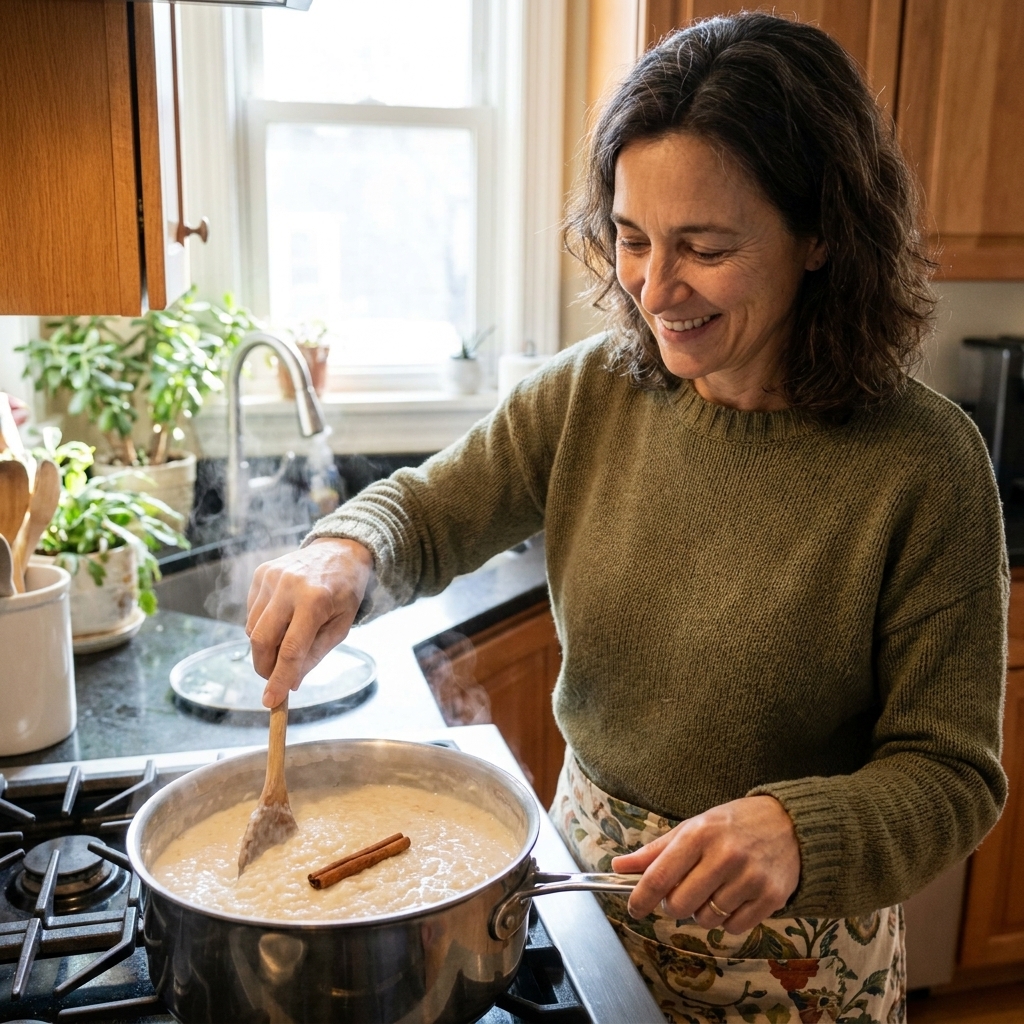
A cozy, cinnamon-kissed Mexican arroz con leche you can make on the stovetop in about 40 minutes. Creamy texture, simple pantry ingredients, and foolproof tips.
The Mexi Plate
Traditional Capirotada

Elena Valdés
Elena Valdés is a Mexican-American home cook and the culinary heart behind MexiPlate. Inspired by the bustling kitchens of her childhood in Jalisco and Texas, she specializes in translating authentic Mexican flavors into approachable recipes for everyday cooks. Whether she is sharing her grandmother's secret for the perfect tamale masa or a quick 30-minute weeknight enchilada bake, Elena believes that good food is the best way to bring people together.
Published October 17, 2026
Updated October 17, 2026
Capirotada is one of those dishes that tastes like a whole family story. It is humble and creative, made from day-old bread and pantry staples, yet it comes out deeply fragrant with piloncillo syrup and warm spices. In my house, capirotada meant Lent, yes, but it also meant the kitchen filling with the smell of cinnamon and cloves, and everyone “checking” the pan to see if the cheese had melted into those sweet, sticky layers.
Below I will walk you through what makes capirotada truly traditional, why the ingredients matter, and exactly how to build those irresistible layers so it bakes up custardy, not soggy, with pockets of gooey cheese and crunchy nuts.
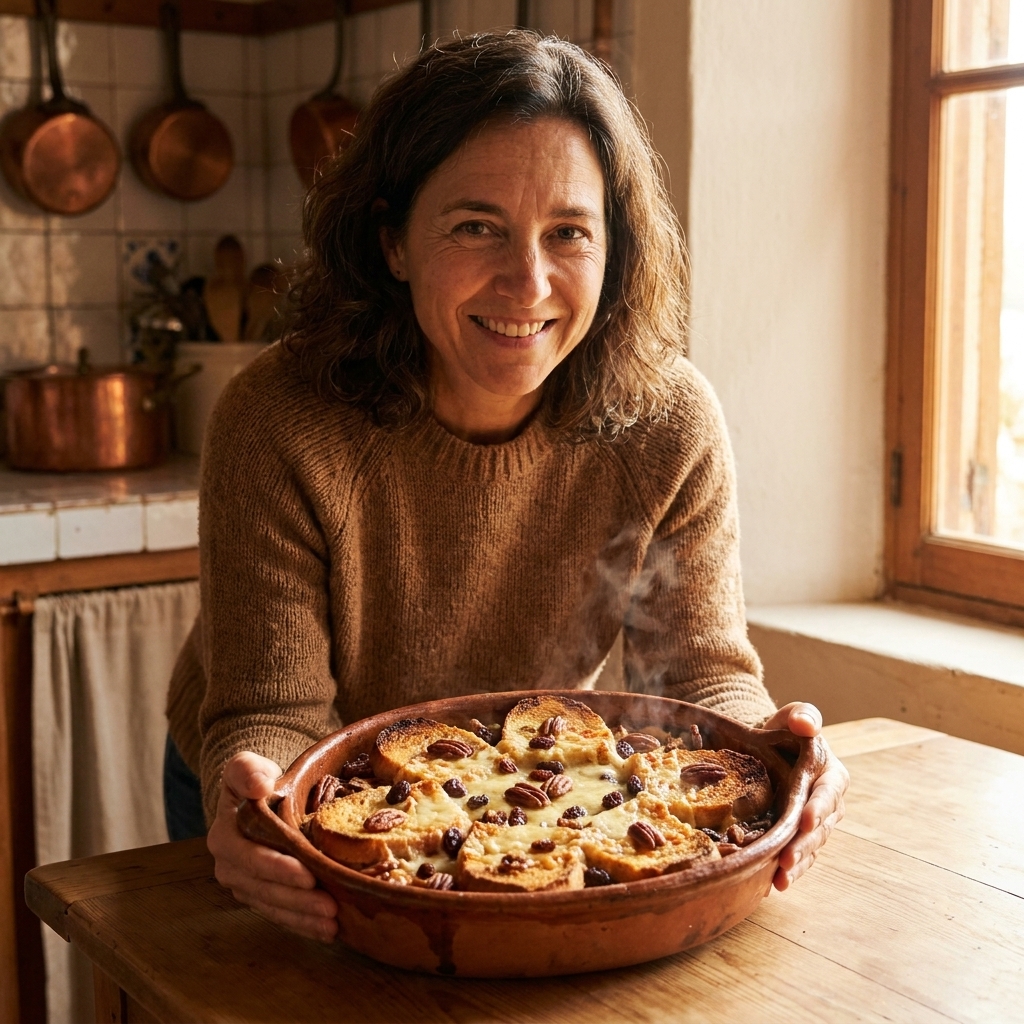
What is capirotada?
Capirotada is a traditional Mexican bread pudding, most closely associated with the Lenten season. Unlike many sweet bread puddings, capirotada is famously sweet and savory, built in layers:
- Toasted bread (often bolillo)
- Piloncillo syrup infused with cinnamon and clove
- Cheese (salty, essential, and sometimes melty)
- Nuts and dried fruit (raisins are classic, plus peanuts or pecans)
Every family has their “correct” version. Some add banana slices, coconut, or sprinkles (yes, really). Some insist it must be made with fried bread. Others bake everything with minimal fat. The core idea stays the same: sturdy bread + spiced syrup + cheese + add-ins.
Why it is a Lenten staple
In many Mexican homes, capirotada is part of the table during Cuaresma, especially on Fridays. It is a dish that stretches ingredients and feeds a crowd, which matters in seasons built around simplicity and reflection.
You may also hear, in some tellings, that capirotada layers carry symbolism tied to Holy Week: bread for the body, syrup for blood, cloves for nails, cinnamon sticks for the wood of the cross. Not every family frames it that way day-to-day, but the story lives alongside the recipe, and for me that is part of the beauty: food that carries memory, faith, and history all at once.
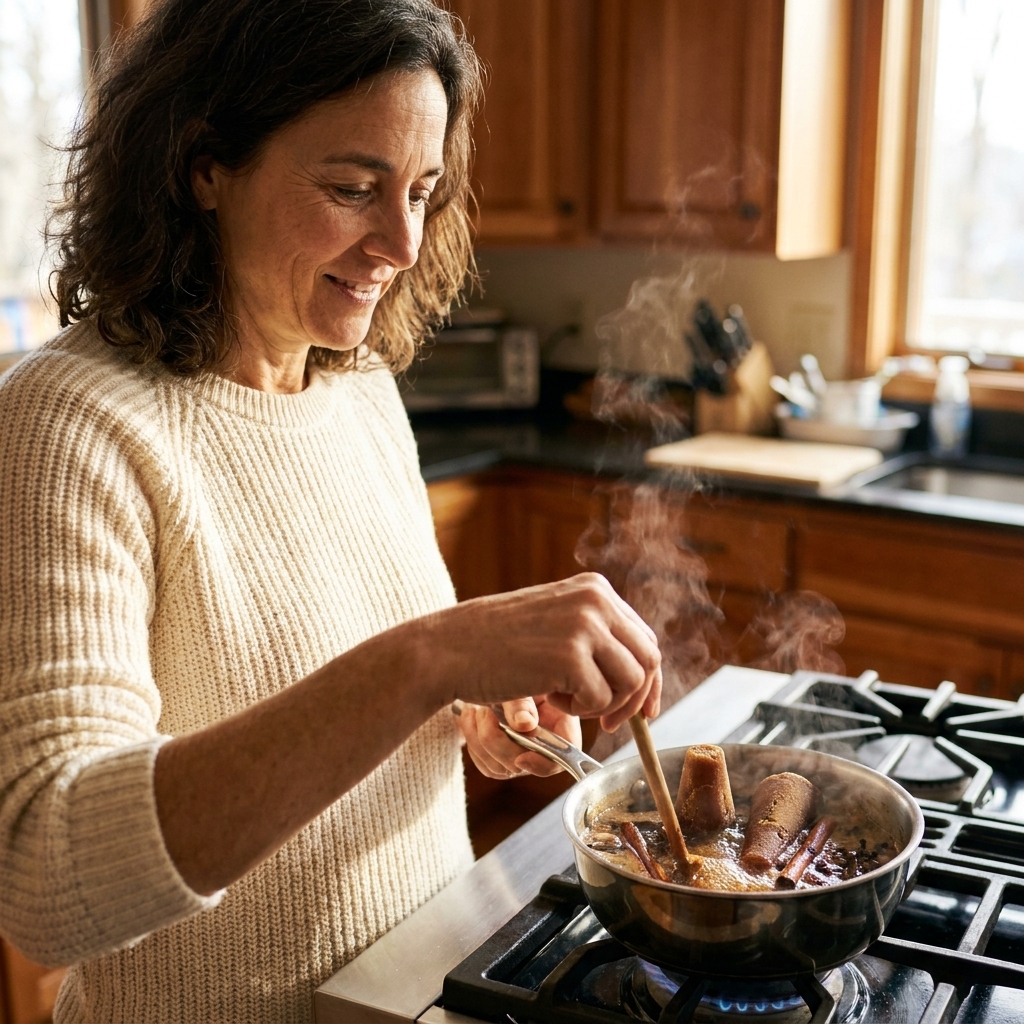
Key ingredients
Let’s talk about the ingredients that truly define capirotada, and how to shop for them in the real world.
Bolillo or sturdy bread
Bolillos are the classic choice because they hold their shape and soak syrup without turning to mush. If your bolillos are fresh, slice them and let them dry out, or toast them well.
- Best: Day-old bolillo or telera
- Great swaps: French bread, challah (a little richer), or a sturdy rustic loaf
- Avoid: Very soft sandwich bread, unless you toast it hard and accept a softer texture
Piloncillo (or dark brown sugar)
Piloncillo is unrefined cane sugar, usually sold in cones. It brings a deeper, almost caramel-molasses flavor that brown sugar cannot fully replicate, but you can still make a lovely capirotada with dark brown sugar if that is what you have.
- Swap: Packed dark brown sugar
- Extra boost: Add 1 teaspoon molasses if using brown sugar
Warm spices
If you can, use Mexican canela, which is softer and more floral than cassia cinnamon. Whole cloves are traditional, but go easy. They are powerful.
Cheese
Yes, cheese belongs here. It is the sweet-salty contrast that makes capirotada taste like capirotada.
- For melt: Oaxaca, Chihuahua, Monterey Jack, or mild cheddar
- For salty creaminess: Queso fresco or queso añejo, which tend to stay more crumbly than stretchy
My practical rule: use one cheese that melts (Jack, Oaxaca, or Chihuahua) and, if you want extra authenticity, add a little crumbly queso fresco on top or between layers.
Nuts and dried fruit
Raisins are classic. Peanuts are also very traditional in many regions, while pecans show up often in Northern Mexico and in Texas kitchens.
- Classic: Raisins + peanuts
- Also delicious: Pecans, walnuts, almonds, dried apricots
How to make it
This method gives you defined layers, a syrup that tastes like piloncillo candy, and bread that goes tender without collapsing.
Ingredients (serves 8 to 10)
- 6 to 8 bolillos, sliced into 1/2-inch rounds (or 1 large sturdy loaf), preferably day-old
- 2 to 3 tablespoons butter or neutral oil (optional, for toasting)
- 12 ounces piloncillo (about 2 small cones), chopped
- 3 cups water, plus more as needed
- 1 cinnamon stick (preferably Mexican canela)
- 4 to 6 whole cloves
- 1 strip orange peel (optional but lovely)
- 2 cups shredded Monterey Jack, Oaxaca, Chihuahua, or mild cheddar
- 1 cup raisins
- 1 cup peanuts or chopped pecans
- Optional: 1 sliced banana, toasted coconut, or a sprinkle of sesame seeds
1) Toast the bread
You have two traditional-leaning options here:
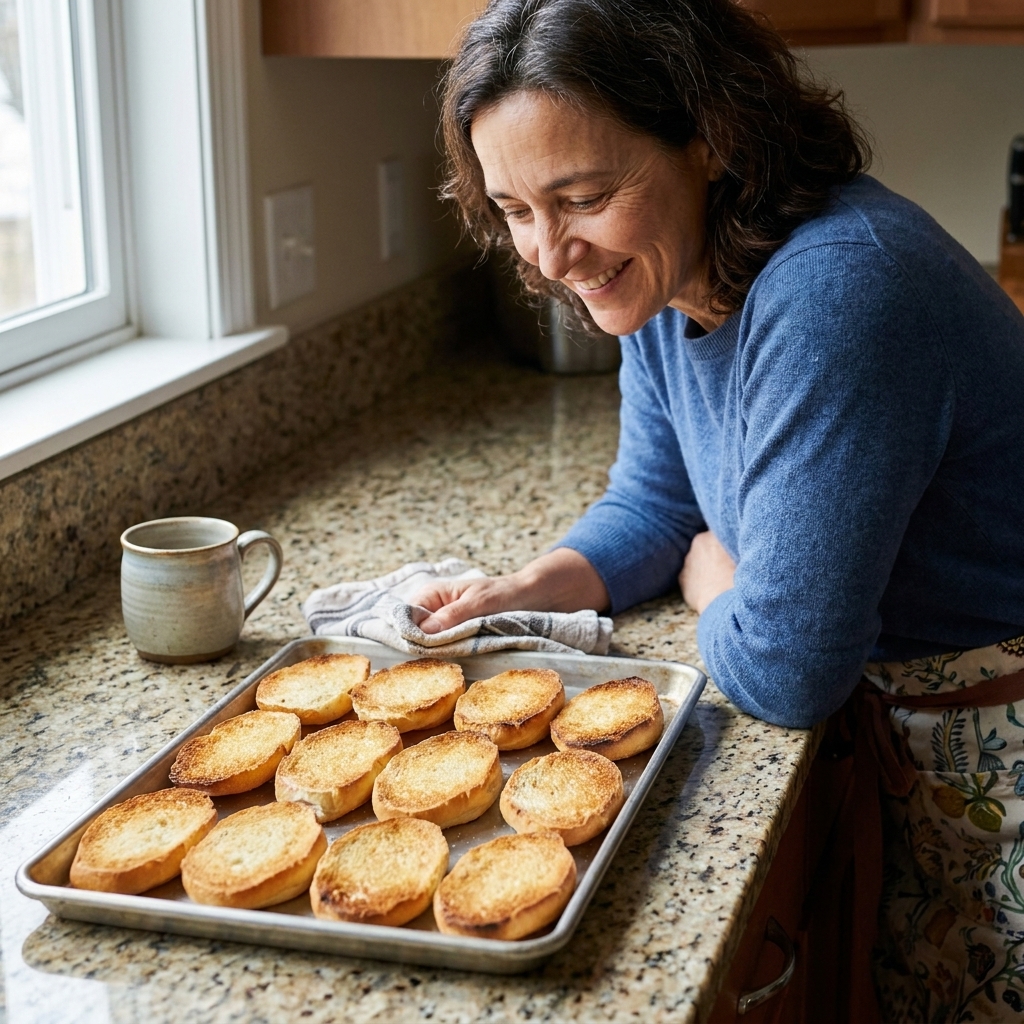
- Oven toast (easy, less messy): Lay slices on baking sheets and toast at 350°F for 12 to 18 minutes, flipping once, until dry and golden.
- Skillet toast (richer): Lightly butter a pan and toast slices until golden on both sides.
What you want is bread that feels dry and sturdy. This is your insurance against sogginess.
2) Make the piloncillo syrup
In a saucepan, combine the water, piloncillo, cinnamon stick, cloves, and orange peel if using. Bring to a gentle simmer and stir until the piloncillo dissolves.
Simmer 10 to 15 minutes, until slightly thickened and glossy. Then strain out the cloves and orange peel if you like a smoother syrup, or leave the cinnamon stick in for extra aroma.
Texture cue: The syrup should coat a spoon, but still pour easily. If it gets too thick, splash in a bit more water. If you prefer a lighter soak, you can also thin it with a little extra water before layering.
3) Layer it
Heat oven to 350°F with a rack in the middle. Lightly grease a 9x13-inch baking dish (or a similar size clay cazuela). If your dish is shallow, plan on fewer layers so the top does not dry out. If it is deeper, you may need a few extra minutes in the oven.
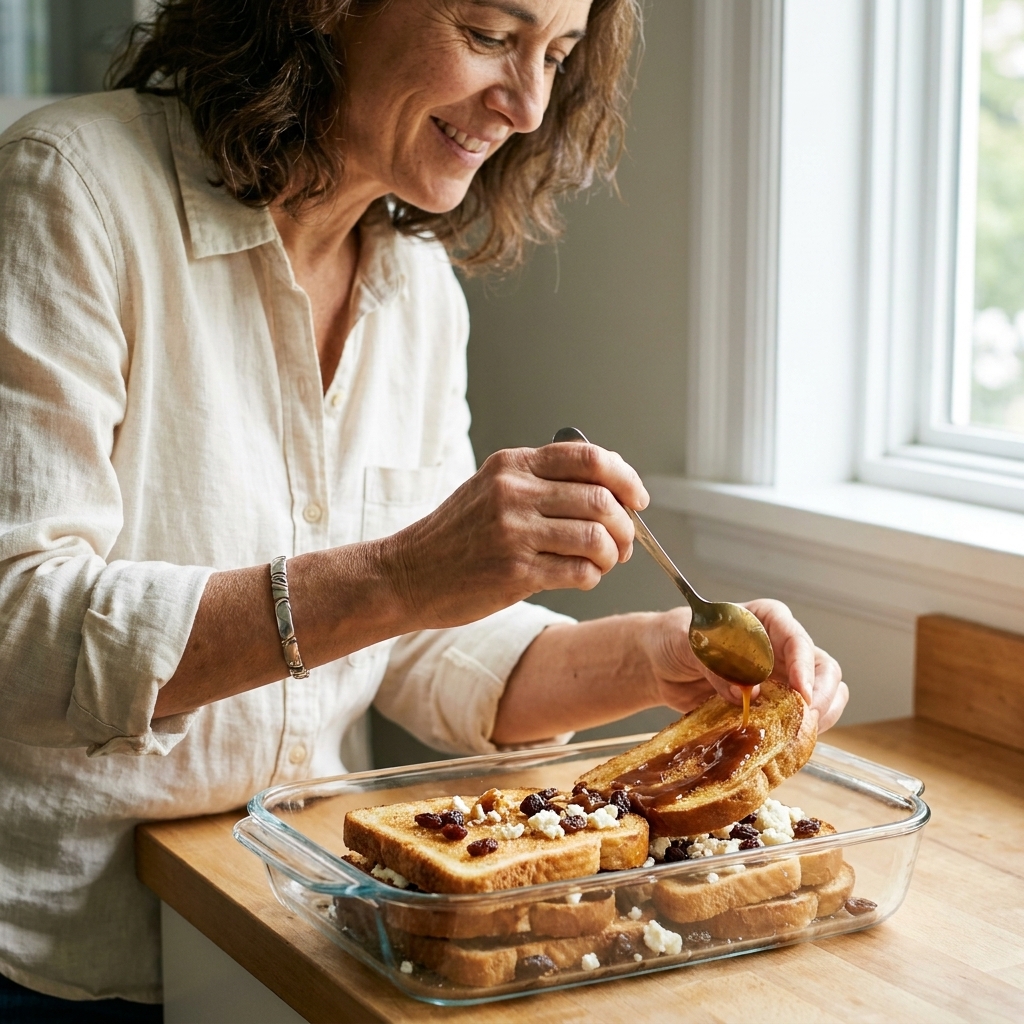
Layer in this order, repeating until you fill the dish:
- A snug layer of toasted bread
- A generous drizzle of warm syrup over the bread
- Sprinkle of cheese
- Raisins and nuts
Finish with a final drizzle of syrup and a good layer of cheese on top so you get those golden, melty spots.
4) Bake
Bake uncovered 25 to 35 minutes, until the edges are bubbling and the top cheese is melted and lightly browned in spots. If the top is browning too quickly before the center looks set, tent loosely with foil and continue baking.
Let it rest 10 to 15 minutes before serving. This helps the syrup settle into the bread so slices hold together instead of sliding apart.
How to serve: Warm is classic, but I also love it at room temperature. Some families serve it with coffee, atole, or a glass of milk.
Tips
Prevent sogginess
- Toast the bread well. If it still feels soft in the center, keep toasting.
- Use warm syrup. Warm syrup absorbs more evenly.
- Do not drown the pan. You want soaked layers, not bread swimming in liquid.
Balance sweet and salty
- If it tastes too sweet, add a bit more cheese or choose a slightly saltier cheese.
- If it tastes too salty, lean more on queso fresco and less on cheddar, or add a small handful more raisins to round it out.
Make it ahead
Capirotada is a dream for make-ahead hosting. You can:
- Toast bread up to 2 days ahead (store airtight).
- Make syrup up to 5 days ahead (reheat to pour).
- Assemble and bake the day you want to serve, or assemble, cover, and refrigerate overnight, then bake the next day.
Variations
If you grew up with a different version than your neighbor, you are not imagining it. Capirotada travels across Mexico and the Mexican-American table, picking up local ingredients along the way.
- With fruit: Banana slices tucked between layers, or bits of apple.
- With coconut: Toasted coconut on top adds a beautiful aroma.
- With sesame seeds: A light sprinkle on top is subtle but traditional in many homes.
- Different breads: Some families use pan dulce or leftover pastries for a sweeter base.
- Different cheeses: From crumbly queso fresco to stretchy Oaxaca, depending on region and availability.
My best advice: keep the piloncillo syrup and the cheese. Those two are the heartbeat.
Storage and reheating
How to store
Cover and refrigerate for up to 4 days. The flavors deepen as it sits.
How to reheat
- Oven: 300°F, covered with foil, 15 to 20 minutes, or until heated through.
- Microwave: Individual portions, 30 to 60 seconds, then rest 1 minute.
For best quality and food safety, reheat until hot and steaming in the center. If it looks a little dry after storing, drizzle 1 to 2 tablespoons of warm water or extra syrup over the portion before reheating.
FAQ
Is it supposed to have cheese?
In many traditional versions, yes. That sweet-salty contrast is part of what makes capirotada taste like capirotada. If you truly dislike cheese in dessert, you can reduce it, but I recommend trying it once as written. The result is more balanced than you might expect.
Can I make it without piloncillo?
Yes. Use dark brown sugar, and if you have it, add a teaspoon of molasses to mimic piloncillo’s deeper flavor. Cinnamon and clove will still give you that unmistakable aroma.
Do I need to fry the bread?
No. Some families fry slices lightly in butter or oil for richness, but oven-toasting works beautifully and keeps the dish from feeling heavy. What matters most is getting the bread dry and golden.
What cheese is most traditional?
It depends on region and family. Queso fresco shows up often, and so do other Mexican cheeses. In many Mexican-American kitchens, mild cheddar or Monterey Jack is common because it melts so well. If you want the best of both worlds, combine a melty cheese (Oaxaca, Chihuahua, or Jack) with a little queso fresco for salty creaminess.
A final note
Capirotada is not the kind of dessert you rush. Not because it is hard, but because it rewards you for paying attention to the small steps: toasting the bread until it is truly ready, simmering the syrup until it smells like canela, and layering with a generous hand. When you pull it from the oven and that syrup is bubbling up the sides, it feels like you just baked a memory.
If you make it, I hope you serve it warm, with coffee nearby, and with someone you love close enough to steal the crunchy corner piece.