A cook-friendly guide to Mexican green and red enchilada sauces: flavor, heat, ingredients, and the best pairings for chicken, cheese, beans, and more.
The Mexi Plate
5 Hearty Vegetarian-Friendly Mexican Main Dishes

Elena Valdés
Elena Valdés is a Mexican-American home cook and the culinary heart behind MexiPlate. Inspired by the bustling kitchens of her childhood in Jalisco and Texas, she specializes in translating authentic Mexican flavors into approachable recipes for everyday cooks. Whether she is sharing her grandmother's secret for the perfect tamale masa or a quick 30-minute weeknight enchilada bake, Elena believes that good food is the best way to bring people together.
Published October 17, 2026
Updated October 17, 2026
When I was growing up between Jalisco and San Antonio, “hearty” did not automatically mean meat. Some of the most filling meals in my family were built on beans simmered with love, roasted chiles, corn masa, and vegetables that soak up flavor fast.
The dishes below are classic Mexican home-cooking favorites, written as vegetarian-friendly versions. That means we are using oil (not lard) and vegetable broth or water (not chicken stock), without losing the spirit of how these meals are actually made and eaten. They are the kind of mains that stand on their own with warm tortillas, a bright salsa, and that moment when everyone goes quiet because the food is doing its job.
One quick note before we cook: Mexico is not one flavor map. These ideas lean central and northern, plus the Texas influence I grew up with, but the ingredients and techniques will feel familiar in a lot of home kitchens.
How to use this guide: These are flexible, home-style methods, not fully measured recipes. I included time cues, heat cues, and the ingredient lists you actually need at the stove. Taste and adjust like you would at home.
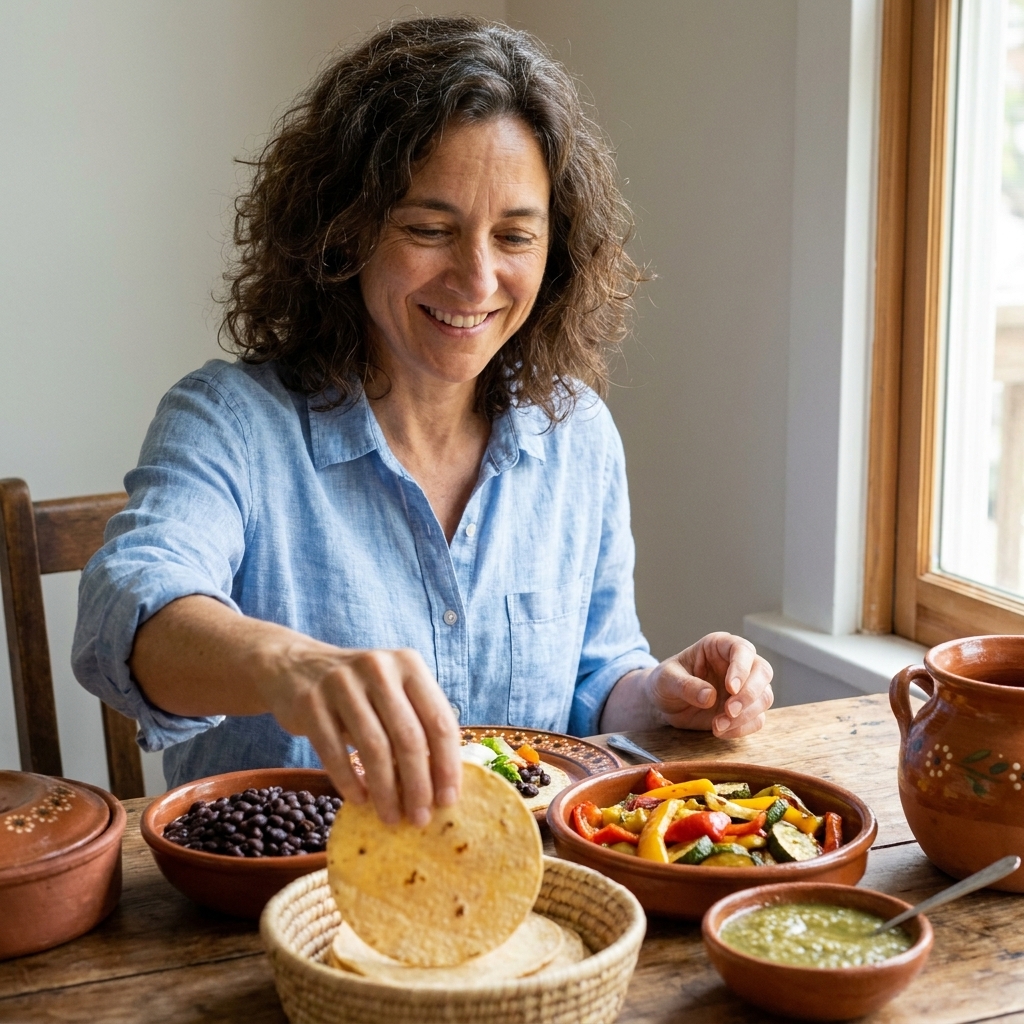
1) Nopales a la Mexicana
If you have never cooked nopales before, this is the friendliest place to start. Nopales a la Mexicana is a simple sauté of cactus paddles with tomato, onion, and chile, cooked until everything turns juicy and savory. It is commonly served with beans and tortillas, and it feels like a full plate even though it is mostly vegetables.
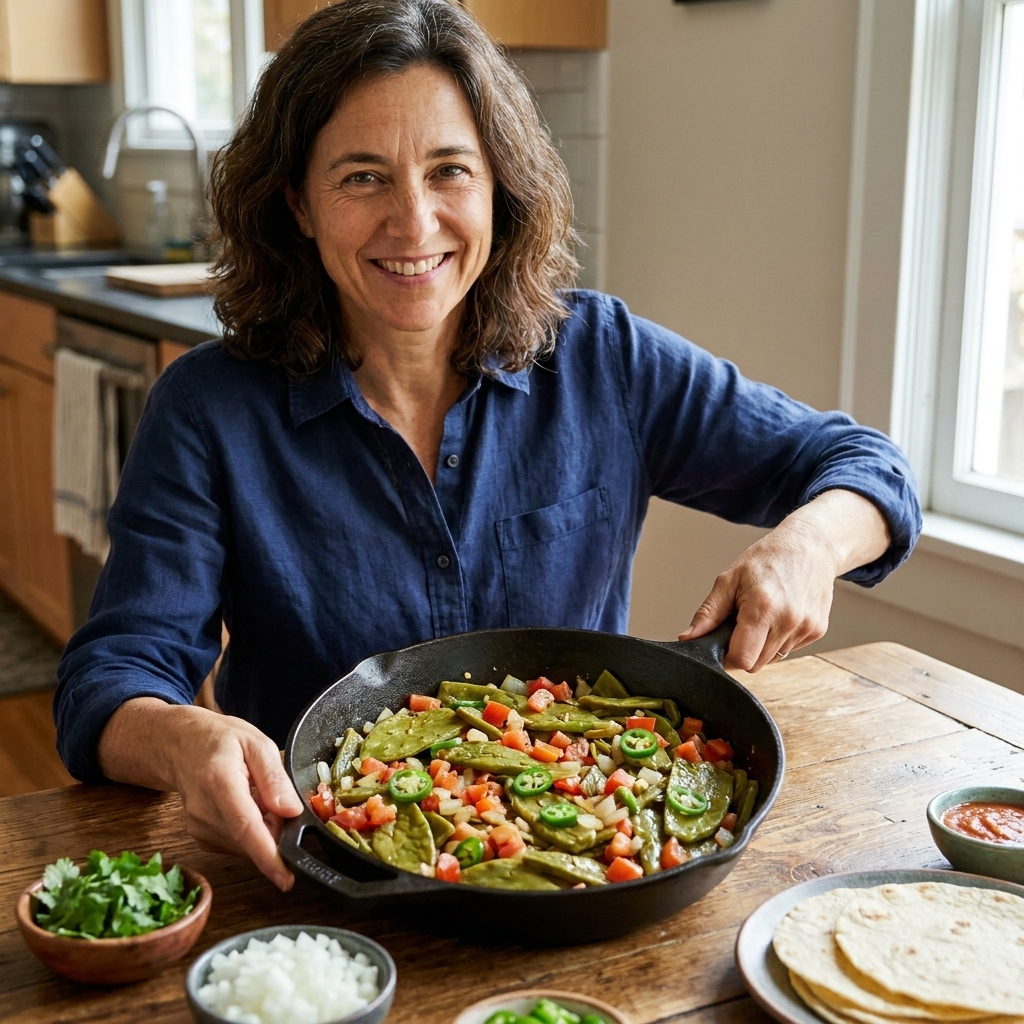
Why it feels filling
- Nopales have real bite. They stay pleasantly firm, almost like green beans mixed with okra, but without getting mushy.
- The tomato base turns saucy. Perfect for spooning into tortillas.
- Beans on the side make it stick-to-your-ribs. Black beans or pintos both work beautifully.
Key ingredients
- Nopales (fresh, jarred, or deli counter)
- Roma tomatoes
- White onion
- Serrano or jalapeño
- Cilantro, lime, and salt
Basic method (serves 2 to 4)
Heat a wide skillet over medium-high heat with 1 to 2 tablespoons oil. Add about 2 to 3 cups nopales (drained well) and a pinch of salt. Cook uncovered 6 to 8 minutes, stirring now and then, until the moisture starts to cook off. Add 1/2 sliced onion and cook 2 to 3 minutes. Add 2 diced tomatoes and 1 sliced chile and cook until the tomatoes collapse and turn saucy, about 5 minutes. Finish with lime and a handful of chopped cilantro.
My tips (so they are not slimy)
Nopales can release a natural “baba” as they cook. It is normal, but we can manage it.
- Rinse and drain well. If using jarred nopales, rinse under cold water and drain thoroughly.
- Cook uncovered first. A few minutes uncovered helps moisture evaporate.
- Salt early. It draws out liquid so it can cook off.
Buying and handling nopales
Fresh nopales are sometimes pre-cleaned, sometimes not. If you buy whole paddles, check for spines and tiny glochids and trim them carefully. If you want the easiest route, look for pre-cut nopales (fresh or jarred). Either way, rinse well.
Serve it like my abuela
Warm corn tortillas, a scoop of beans, crumbled queso fresco (optional), and a squeeze of lime. If you want more protein, add a fried egg on top and call it breakfast-for-dinner. For a dairy-free version, go heavy on avocado and salsa instead of cheese.
2) Rajas con Crema
Rajas are roasted poblano chiles sliced into strips and gently simmered with onion. When you add crema, it becomes one of those magical dishes that tastes luxurious while still being completely homey. In many kitchens, rajas also shows up with corn and cheese, and that version is just as traditional. Either way, it is a main-dish kind of situation with tortillas, rice, or tucked into warm bolillos.
Some households add a splash of chicken broth. For a vegetarian version, use vegetable broth or water. You will still get that roasted poblano depth.
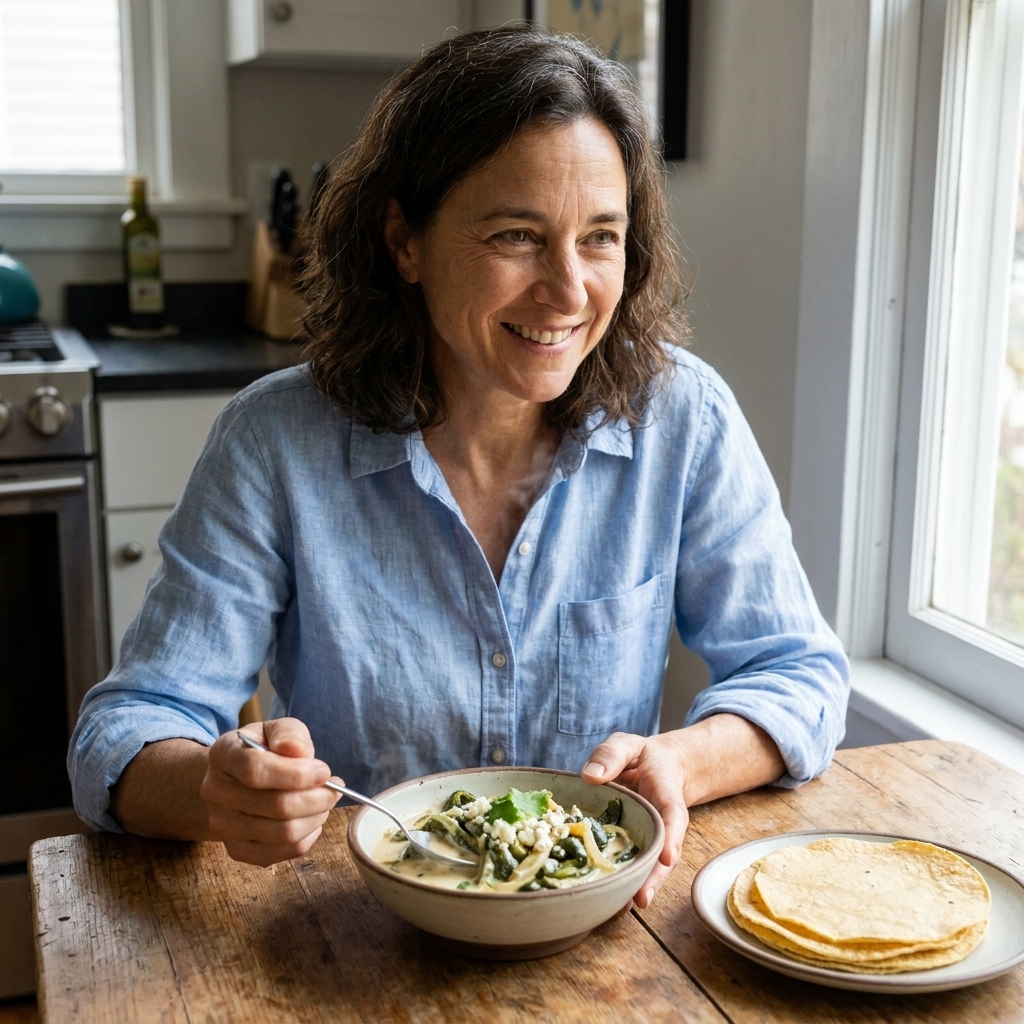
Why it feels like comfort food
- Roasted poblanos taste smoky and deep. No meat required.
- The creamy sauce coats everything. It turns simple ingredients into a satisfying bite.
- It stretches easily. Add corn, mushrooms, potatoes, or melty cheese and you have dinner for days.
Ingredient notes
- Poblanos: Roast until blistered, then steam in a covered bowl 10 minutes so the skins slip off easily.
- Crema: Mexican crema is ideal. If you cannot find it, use sour cream thinned with a splash of milk.
- Cheese (optional but common): Oaxaca or Chihuahua melt beautifully. Queso fresco is great as a topping.
Basic method (serves 2 to 4)
Roast and peel 3 to 4 poblanos, then slice into strips. Heat 1 tablespoon oil over medium heat and sauté 1 sliced onion until soft, 5 to 7 minutes. Add rajas and a splash of vegetable broth or water and simmer 3 to 5 minutes. Lower the heat to low and stir in 1/3 to 1/2 cup crema so it warms gently without separating. Season with salt and a squeeze of lime if you like. If using cheese, stir in a handful at the end and let it melt.
Make it dairy-free
Skip the crema and finish with a spoonful of mashed avocado, a drizzle of olive oil, or a quick cashew crema. The roasted chile flavor is still the star.
Make it a full main
Stuff rajas into tortillas with melty cheese for quick tacos, spoon them over arroz rojo, or pile them into a bolillo with a little beans. My favorite: rajas in a warm corn tortilla, with black beans and a crunchy cabbage-lime salad.
3) Frijoles Negros Guisados with Panela
Black beans are a powerhouse in Mexican home cooking. When you simmer them with aromatics and a little fat, they turn rich, thick, and spoonable. For a vegetarian main, I love serving them as frijoles negros guisados with seared panela cheese (or crumbled queso fresco) on top, plus tortillas and salsa.
Traditionally, beans are often cooked with lard. Here, we build that same cozy depth with oil, slow simmering, and smart seasoning.
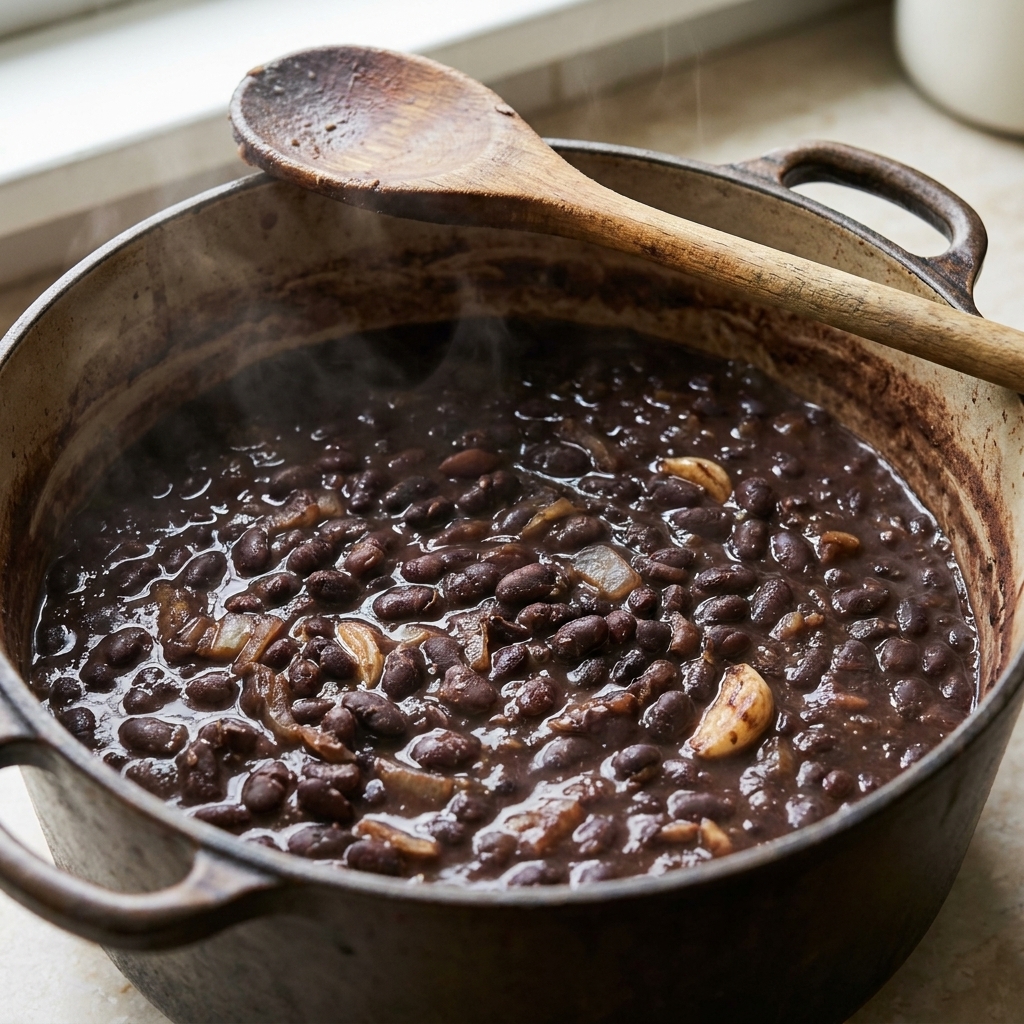
What makes them taste restaurant-quality
- Sauté your base first. Onion and garlic in a little oil builds flavor.
- Use bean broth. If cooking from dry, do not discard the cooking liquid. That is liquid gold.
- Finish with acidity. A squeeze of lime or a spoon of pickled jalapeño brine wakes everything up.
Basic method (serves 3 to 4)
Heat 1 to 2 tablespoons oil over medium heat. Sauté 1/2 diced onion and 2 minced garlic cloves until fragrant, 2 to 3 minutes. Add about 3 cups cooked black beans plus 1/2 to 1 cup bean broth (or water) to make them spoonable. Simmer 10 to 15 minutes, mashing a small scoop of beans against the pot to thicken. Season with salt, then finish with lime.
Panela option (my favorite)
Panela is a mild, fresh cheese that can hold its shape, especially when it is labeled queso panela and feels firm. Pat it dry, slice it, and sear in a hot pan over medium-high heat with a touch of oil until golden on each side, 1 to 2 minutes per side. Let it sit until it releases on its own before you try to flip it. If your panela is very soft and wants to break or weep, just crumble queso fresco on top instead.
Easy swaps
- No panela: Use halloumi, queso fresco (not seared), or avocado slices for richness.
- No time for dry beans: Use canned black beans. Sauté onion and garlic, add beans with some of their liquid, and simmer 10 to 15 minutes to thicken.
4) Tinga de Camote
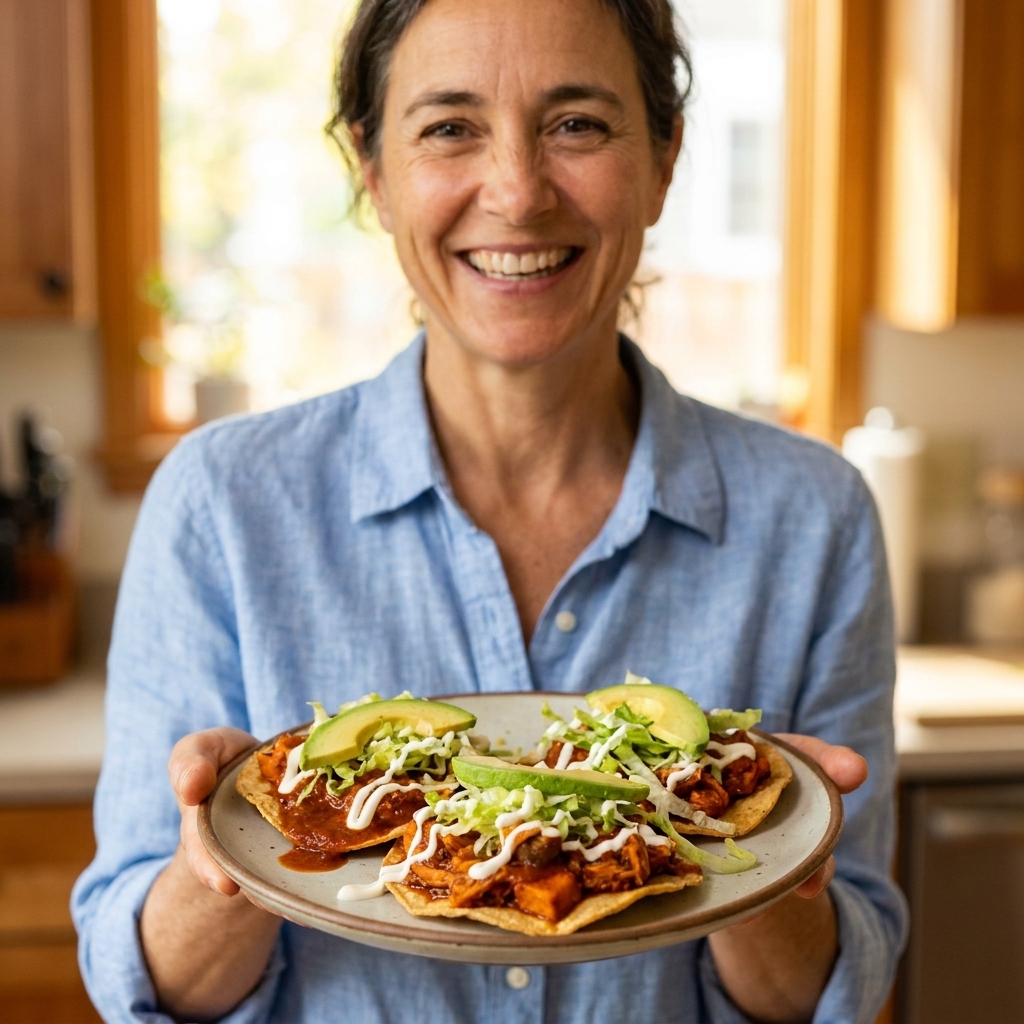
Tinga is typically made with shredded meat in a tomato-chipotle sauce, but sweet potatoes are a beautiful vegetarian stand-in. They soften just enough to soak up the smoky sauce, and the natural sweetness balances the chipotle heat in a way that feels meant to be.
Flavor profile
Smoky, slightly spicy, a little sweet, and deeply savory. If you love chipotle, you will love this.
How to build the dish
- Cook the sauce first: Blend tomatoes, onion, garlic, and chipotle until smooth, then simmer 8 to 10 minutes.
- Add cooked sweet potato: Roast cubes at 425°F until tender and browned at the edges, 20 to 30 minutes, or simmer if you want it faster.
- Finish with salt and a splash of vinegar: It sharpens the whole pot.
Basic method (serves 3 to 4)
Roast 2 medium sweet potatoes (peeled, cubed) at 425°F with oil and salt until browned and tender, 20 to 30 minutes. Meanwhile, sauté 1/2 sliced onion in a little oil over medium heat until soft, 5 minutes. Blend 3 to 4 tomatoes (or a 14-ounce can), 2 garlic cloves, and 1 chipotle plus a spoon of adobo until smooth. Pour into the pan and simmer 8 to 10 minutes, then fold in the roasted sweet potato. Simmer 2 to 3 minutes to marry the flavors, season with salt, and finish with a small splash of vinegar.
Best ways to serve it
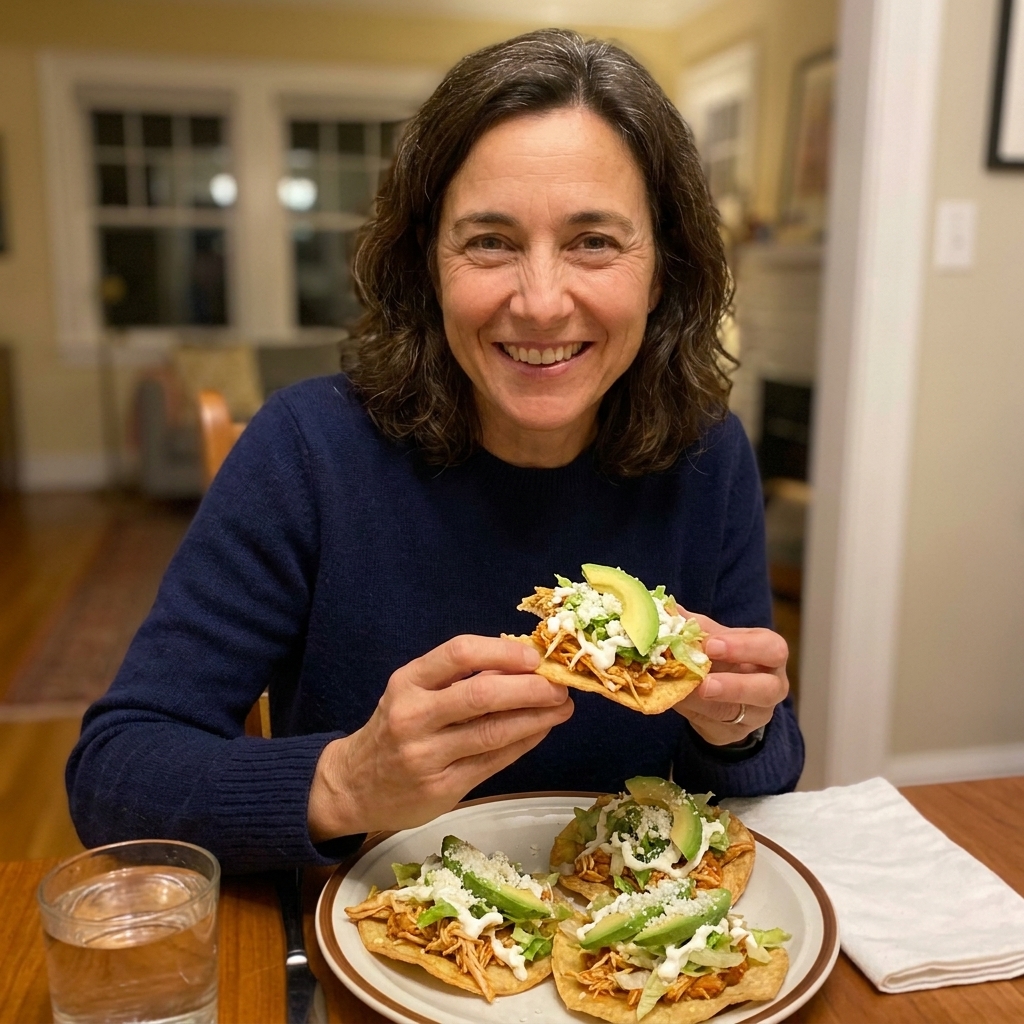
- Tostadas: My go-to. Top with shredded lettuce or cabbage, crema, and avocado.
- Tacos: Add a sprinkle of queso fresco and cilantro.
- Over rice: Especially good with a side of beans for extra staying power.
Heat control
Start with one chipotle pepper (plus a spoon of adobo sauce), taste, then add more. Chipotles can be sneaky hot depending on the brand.
Make it vegan
Top with avocado, salsa, and shredded cabbage instead of crema or cheese. It still eats rich.
5) Enchiladas de Frijol y Calabacitas
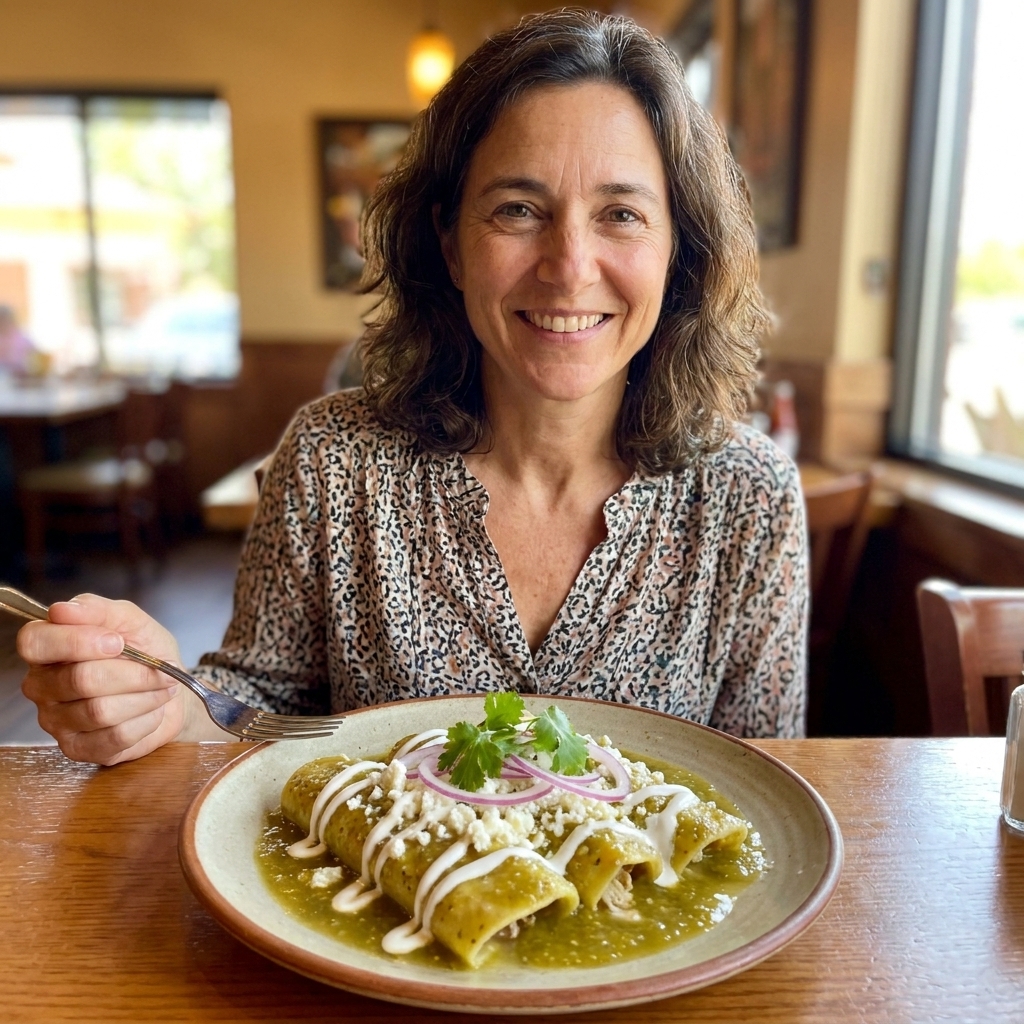
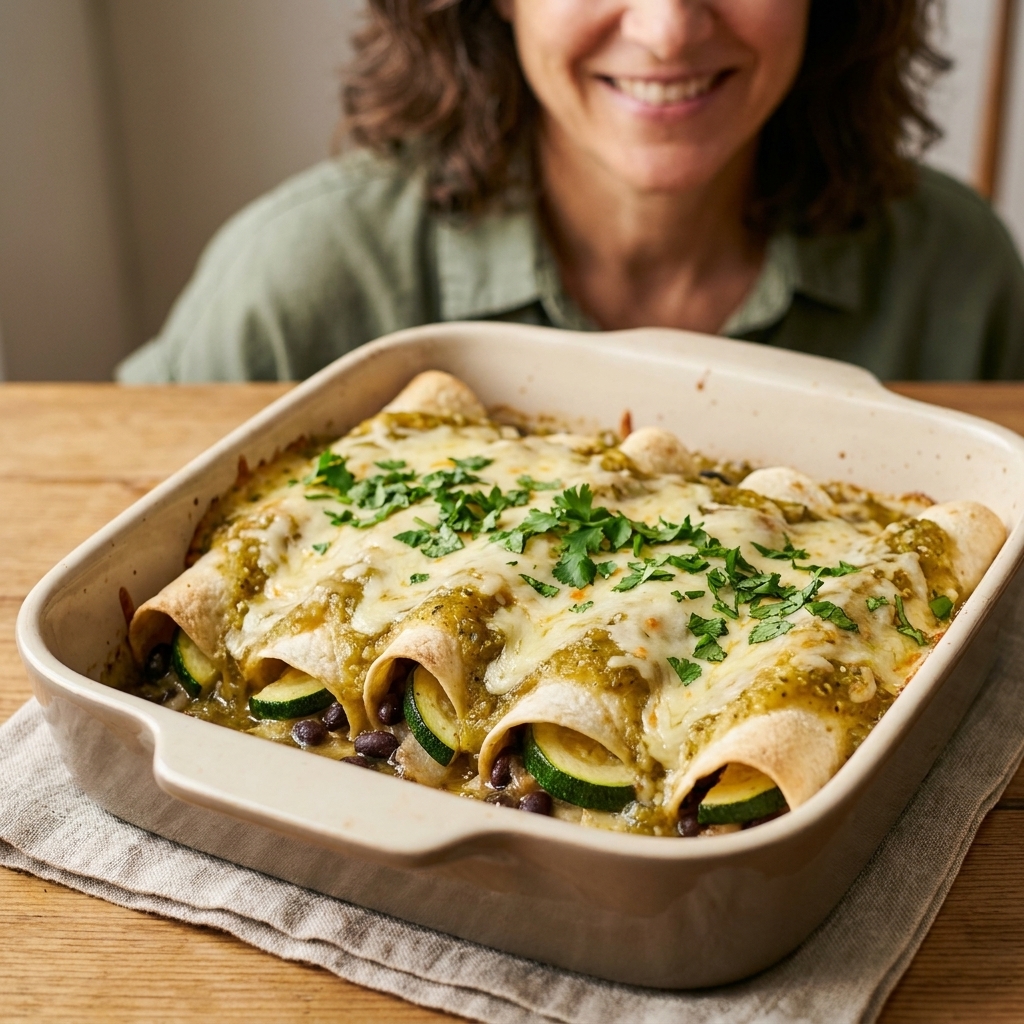
Enchiladas are my love language. These are filled with black beans and calabacitas, then baked in salsa roja or salsa verde until bubbly. They are satisfying, family-friendly, and perfect for meal prep.
Calabacitas can mean the squash itself and also the homey sauté that often includes corn, onion, tomato, chile, epazote, and sometimes cheese. Here we keep it weeknight-simple, but you can absolutely add tomato or a little chile if you want more depth.
Why this works on busy nights
- The filling is forgiving. Beans give structure, and zucchini keeps it juicy.
- Store-bought salsa is allowed. Choose a salsa you love, then wake it up with lime and a pinch of cumin if needed.
- It reheats well. Lunch the next day is even better.
Basic method (serves 4)
Heat the oven to 375°F. Sauté 1/2 diced onion and 2 chopped zucchini in 1 tablespoon oil over medium heat until tender-crisp, 6 to 8 minutes. Stir in 1 1/2 to 2 cups black beans and salt. Warm 10 to 12 corn tortillas until pliable, then roll with filling. Line them in a baking dish, cover with about 2 cups salsa, and bake until hot and bubbly, 15 to 20 minutes. If using cheese, add a handful for the last 5 minutes so it melts.
Choosing your sauce
- Salsa verde: Bright, tangy, and amazing with crema and cilantro.
- Salsa roja: Deeper and more savory, especially if made with dried chiles like guajillo.
Tortilla tip
Warm corn tortillas before rolling so they do not crack. You can lightly fry them for a few seconds per side, or wrap a stack in a damp towel and microwave until pliable.
Make it vegan
Skip the cheese and crema. Finish with avocado slices, pickled onions, or a drizzle of blended cashew crema. The pan still comes out comforting and complete.
Pantry staples
You do not need a huge pantry to cook vegetarian Mexican food with traditional flavor, but a few staples make everything easier and more delicious.
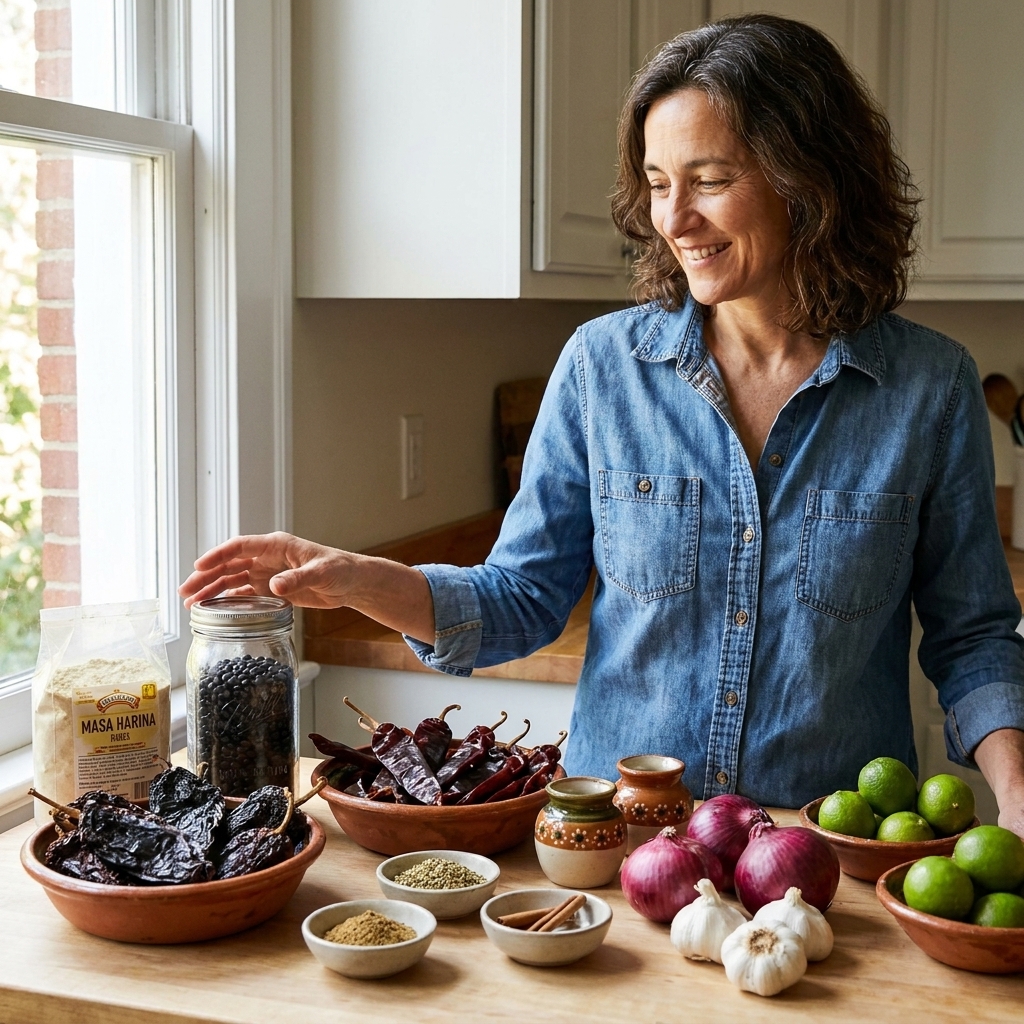
- Dried chiles: Guajillo and ancho are the most useful for rich, not-too-spicy sauces.
- Canned chipotles in adobo: Instant smoky depth.
- Beans: Black beans and pintos, dry or canned.
- Masa harina: For quick sopes, gorditas, or thickening soups.
- Mexican crema and queso fresco: Optional, but helpful for finishing if you eat dairy.
- Limes and cilantro: The final “wake up” for so many dishes.
FAQ
Are these dishes authentic?
They are rooted in everyday Mexican home cooking techniques and ingredients: roasted poblanos for rajas, cactus paddles cooked simply, beans simmered and seasoned, enchiladas baked in salsa. What makes them “vegetarian-friendly” is the choice to use oil and vegetable broth or water instead of the animal fats and stocks that some traditional versions rely on. The flavor logic stays traditional.
How do I add more protein without meat?
Beans are the most traditional answer, and pairing beans with corn tortillas is one of the classic ways to make a meal feel truly sustaining. You can also add eggs (like a fried egg over nopales), panela or Oaxaca cheese, or serve these mains with a side of lentejas (lentils) cooked with tomato and onion.
I cannot find nopales. What can I use?
For a similar green-and-hearty feel, use green beans or sliced zucchini and cook them quickly so they keep some bite. The flavor will be different, but the dish still works with the same tomato-onion-chile base.
What should I serve on the side?
Keep it simple: warm tortillas, arroz rojo, a crunchy cabbage salad, or a quick pico de gallo. A bright salsa and a lime wedge make any meatless main feel finished.
Are corn tortillas gluten-free?
Corn tortillas are typically gluten-free, but check labels for any wheat additives and watch out for cross-contamination if you are cooking for someone with celiac disease.