An in-depth, step-by-step guide to frijoles refritos: which beans to choose, what fat to use, and how to mash for silky, restaurant-style results.
The Mexi Plate
Mastering Chiles Rellenos

Elena Valdés
Elena Valdés is a Mexican-American home cook and the culinary heart behind MexiPlate. Inspired by the bustling kitchens of her childhood in Jalisco and Texas, she specializes in translating authentic Mexican flavors into approachable recipes for everyday cooks. Whether she is sharing her grandmother's secret for the perfect tamale masa or a quick 30-minute weeknight enchilada bake, Elena believes that good food is the best way to bring people together.
Published October 17, 2026
Updated October 17, 2026
Chiles rellenos are one of those dishes that feel like a celebration even on a random Tuesday. A smoky poblano, stuffed with melty cheese, wrapped in a cloud of egg batter, then fried until golden. When you cut in, the steam and queso do that little magic trick that makes everyone gather in the kitchen.
I grew up watching my abuela make these in Jalisco when the poblanos were fat and glossy at the market. Later in San Antonio, we made them for family dinners, and I learned the real secret is not “fancy technique.” It is a handful of small decisions: the right pepper, a careful roast, a dry chile before batter, and oil that is hot enough to puff but not scorch.
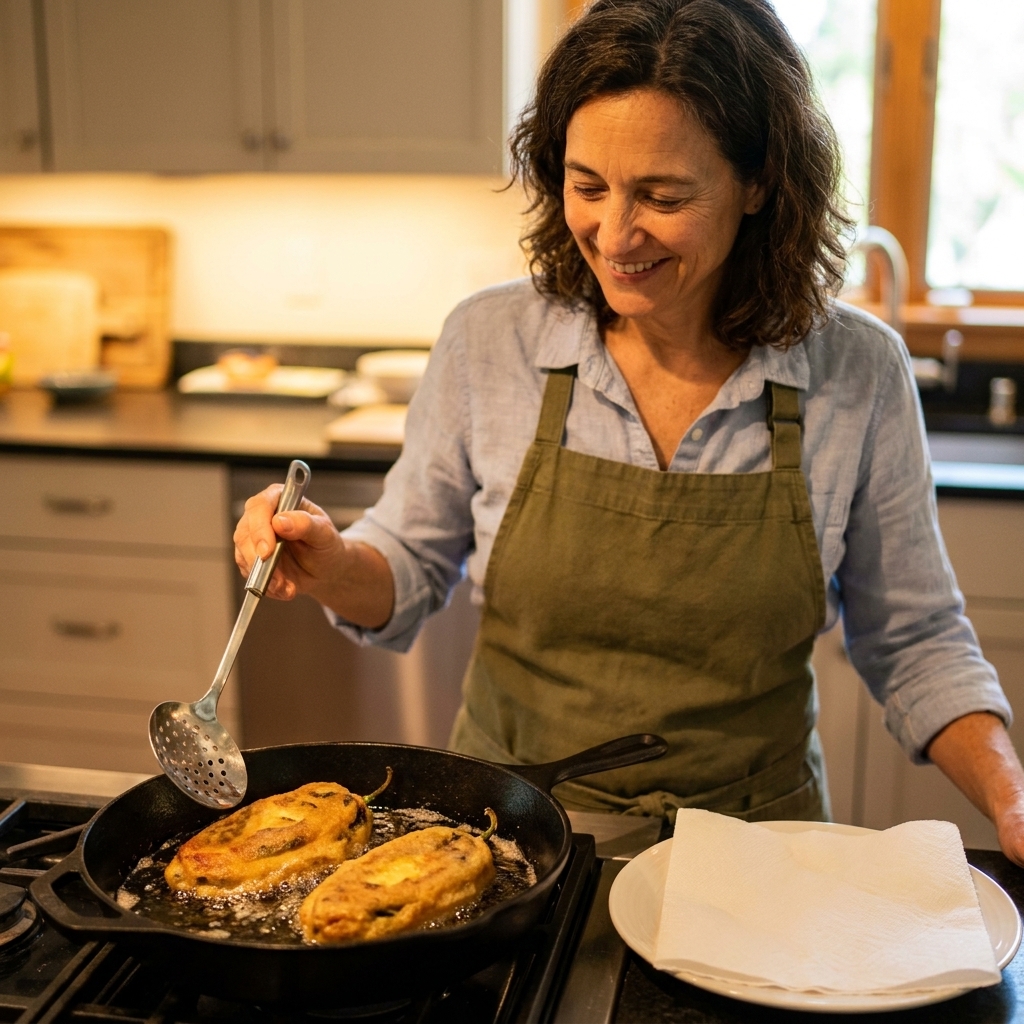
What makes a great chile relleno
Authentic chiles rellenos have a few non-negotiables:
- Smoky poblanos that are roasted and peeled so the skin never gets tough or bitter.
- A secure stuffing that melts but does not explode out the sides.
- Egg batter (capeado) that is airy and fluffy, not greasy and heavy.
- Confident frying in properly heated oil, then a short rest so the crust sets.
I have had them served “dry” with nothing more than a squeeze of lime. In my house, we almost always poured on a simple tomato sauce, because that is how you stretch the meal and make it feel like a plate from a fonda.
Choosing the right poblanos
Size and shape
Look for poblanos that are:
- Large and wide, so you have room for stuffing.
- As straight as possible, which helps them fry evenly and makes flipping easier.
- Thick-walled and heavy for their size. Thin poblanos tear more easily after roasting.
Color and freshness
Deep green poblanos with shiny, taut skin are ideal. Wrinkling is a sign they are drying out. A few superficial scars are fine.
Heat level
Poblanos vary. Some are mild and some have a little kick. If you are serving kids or heat-sensitive guests, keep a small piece of raw poblano from the top and taste it. If it is spicy, removing the seeds and veins (and giving the inside a quick rinse, then drying well) can reduce heat, but it will not guarantee a totally mild chile. Sometimes the heat lives in the flesh, too.

Roast, steam, and peel
This part sets you up for everything that follows. A good roast gives you smoky flavor and loosens the skin so the chile stays tender.
How to roast poblanos
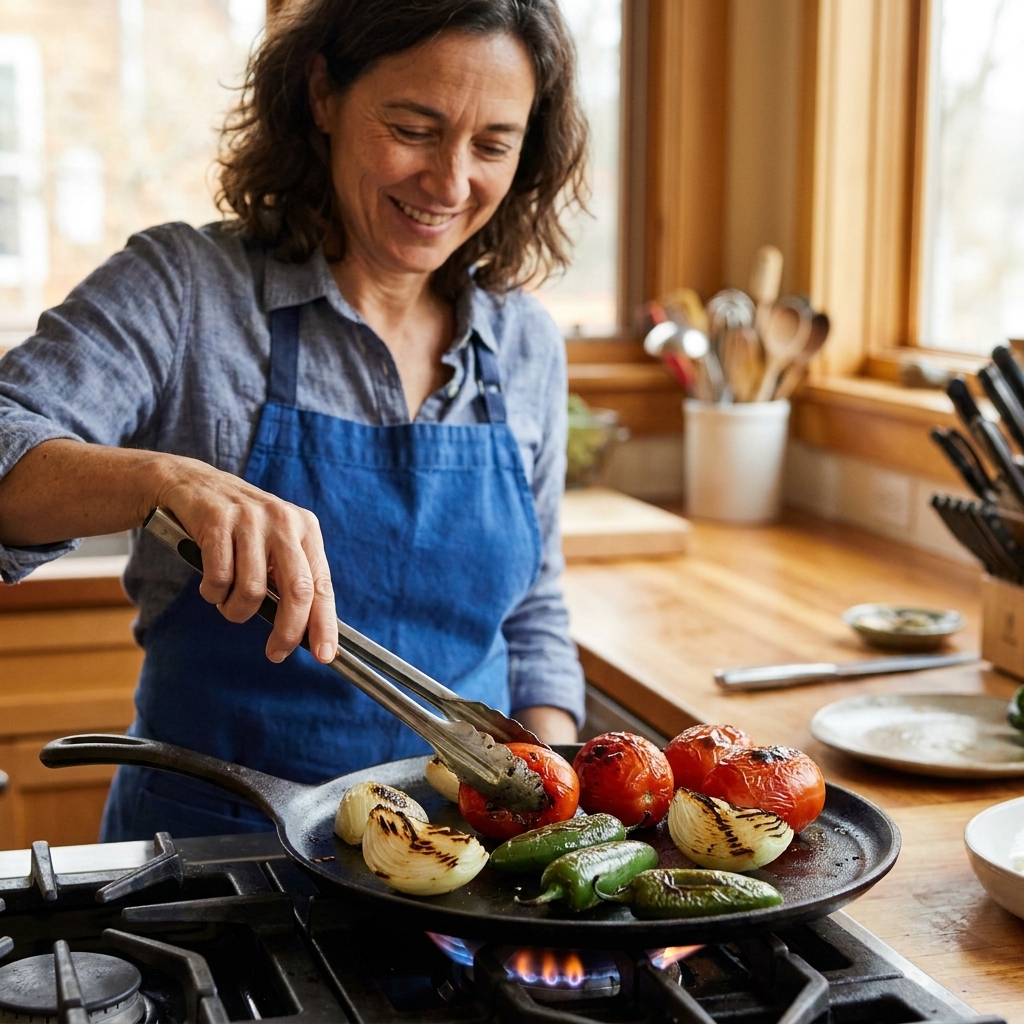
- On a gas flame: Place the poblano directly over the flame and turn with tongs until blistered and blackened on all sides.
- Under the broiler: Set peppers on a foil lined sheet pan 4 to 6 inches from the broiler. Broil, turning every few minutes, until blistered.
- On a comal or cast iron: Dry heat works, but it takes longer and you must rotate often. You will get less “char bubbles” and more deep browning.
Steam them (do not skip)
Transfer roasted poblanos to a bowl and cover tightly, or place them in a resealable bag and close it. Let steam 10 to 15 minutes. The skin should slip off with gentle pressure.
Peel gently
Use your fingers to rub off the charred skin. If a stubborn spot will not lift, scrape lightly with the back of a knife. Try not to rinse under running water unless you truly have to, because you will wash away some of that smoky flavor. If you do rinse, pat the chiles very dry afterward.
Cut a slit that will not rip
Make one lengthwise slit from near the stem down about two thirds of the pepper. Keep the stem on. It acts like a handle and helps the chile hold its shape. Then carefully open the pepper and remove seeds and veins.
Quick note: Some cooks remove seeds and veins before roasting. I prefer after roasting because the chile stays sturdier while it chars, but either way works. Just be gentle with the pepper.

Stuffing options
Classic cheese filling
For a traditional, melty center, use a cheese that softens nicely but does not turn into a puddle instantly. My favorites:
- Oaxaca cheese (top choice for that stretchy pull)
- Asadero
- Chihuahua
- Monterey Jack (easy to find, reliable melt)
Avoid: very wet fresh mozzarella packed in water, and very crumbly cheeses as the only filling. You can mix them in, but alone they tend to leak or feel dry.
How much cheese?
Stuff generously, but do not overpack. As a guideline, 2 to 3 ounces of cheese per poblano is a sweet spot for most large peppers.
How to seal the slit
You have a few options:
- Toothpicks: The most common. Use 1 to 2 toothpicks across the slit. Remove after frying.
- Skewer stitch: For long slits, you can “lace” the opening with a thin skewer, then remove it after frying.
- No toothpicks: Possible if the chile is thick and the slit is small, but it is less beginner-friendly.
Dry the chiles before battering
This is one of the biggest home cook issues. If the pepper is wet, the batter slides off. Pat each stuffed poblano dry with paper towels, especially around the slit.

Fluffy egg batter
That signature batter is mostly eggs, whipped with a little structure from flour. Think of it like a savory cloud that turns crisp in hot oil.
Batter amounts
For 4 to 6 large poblanos, I usually use:
- 4 large eggs, separated
- Pinch of salt
- 1 to 2 tablespoons all-purpose flour (optional, see below)
- About 1/2 cup all-purpose flour (for dusting)
How to whip egg whites
In a clean bowl, beat egg whites until you get stiff peaks. When you lift the beaters, the tip should stand up without drooping. Then beat in the yolks one at a time, just until combined. Season with a pinch of salt.
Do you put flour in the batter?
Some families do, some do not. Here is my practical take:
- For beginners: Add 1 to 2 tablespoons flour to the batter for a little stability.
- For very fluffy, delicate batter: Skip flour in the batter, but always dust the chile in flour before dipping.
Flour dusting matters
For the best grip and the cleanest fry, lightly coat each dry stuffed poblano in flour, shaking off the excess. This gives the egg something to cling to and helps seal little tears.

Frying without fear
Best oil and pan
Use a neutral oil with a higher smoke point, like canola, vegetable, or avocado oil. A heavy skillet works great because it holds heat steady. You want enough oil to come about halfway up the chile, usually 3/4 inch to 1 inch.
Oil temperature
Target 350°F to 365°F. Too cool and the batter absorbs oil. Too hot and the outside browns before the batter sets around the pepper.
No thermometer? Drop a small bit of batter into the oil. It should sizzle immediately and float up, bubbling actively without burning fast.
How to batter and transfer cleanly
- Hold the floured chile by the stem.
- Dip into the batter, spooning batter over the top to cover evenly.
- Lower it into the oil gently, laying it away from you to avoid splashes.
Fry in batches
Do not crowd the pan. Fry 1 to 2 at a time depending on skillet size. Crowding drops the oil temperature and makes the coating greasy.
Flipping and draining
Fry 2 to 4 minutes per side until deeply golden. Use a spoon and a spatula together for control. Drain on a wire rack or paper towels. Let them rest a couple minutes before saucing so the crust stays crisp.
One last thing before you serve: if you used toothpicks or a skewer, remove every single one. It sounds obvious, but in a busy kitchen it is easy to miss one.

Simple tomato sauce
If you grew up eating chiles rellenos in Mexico, chances are you had them with a light tomato sauce. It is not a heavy enchilada sauce. It is more like a cozy tomato broth that soaks into the batter just enough.
Quick caldillo
- Blend 3 to 4 Roma tomatoes (or about 1 pound tomatoes) with a small piece of onion and 1 garlic clove.
- Sauté the blend in a little oil until it changes from bright red to a deeper brick color, 5 to 7 minutes.
- Add 1 to 1 1/2 cups chicken broth (or water), salt, and a pinch of cumin if you like.
- Simmer 10 minutes, then taste and adjust.
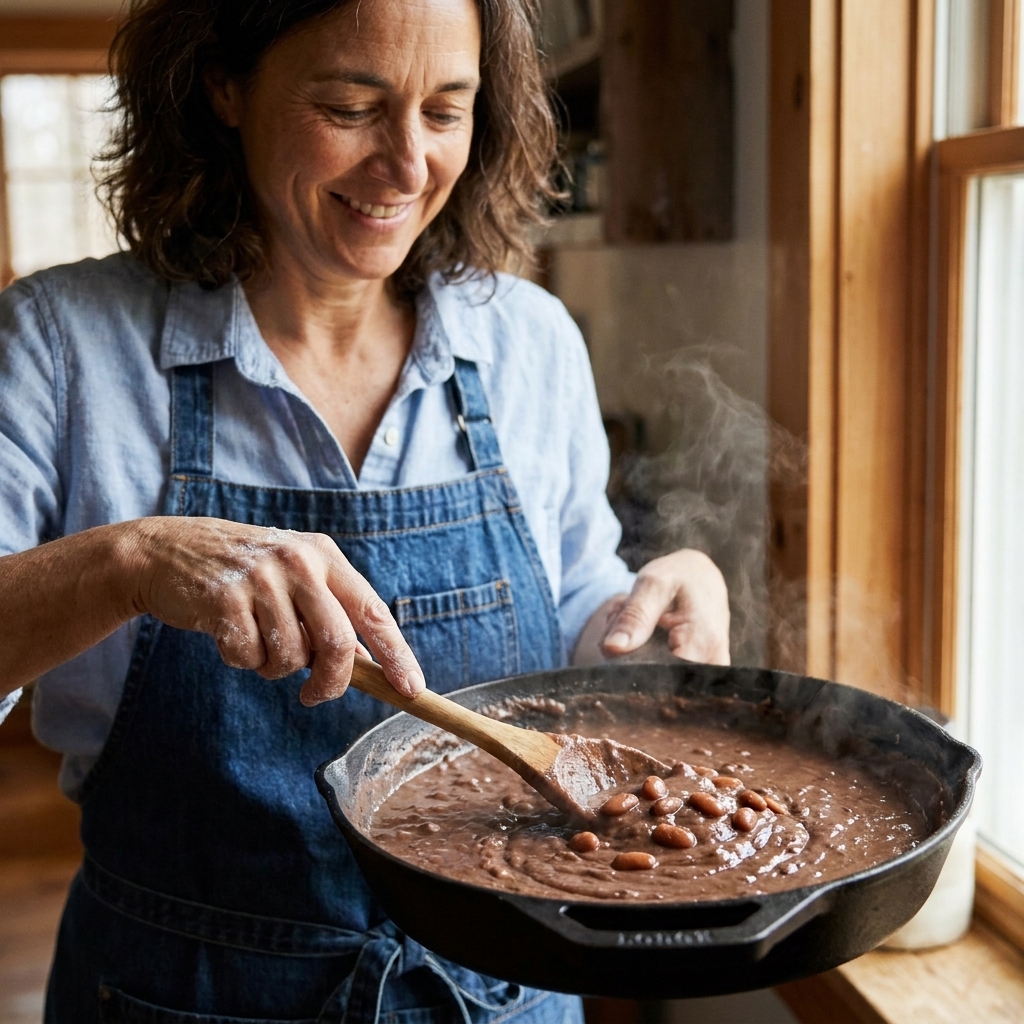
Serve chiles rellenos with sauce spooned over the top right before eating, plus warm tortillas on the side. In my house, refried beans are basically mandatory.

Common problems
The batter slides off
- Make sure the pepper is very dry before flouring.
- Do not skip the flour dusting.
- Whip whites to stiff peaks. Soft peaks make a looser batter.
The chile tears while stuffing
- Roast until blistered, then steam. Under-steamed chiles tear more.
- Handle gently at the slit. Open it like a book, not like you are stretching it.
- If you get a tear, patch it with a little flour and batter. Toothpicks help here.
Greasy, heavy coating
- Oil was too cool. Bring it back to 350°F to 365°F between batches.
- Crowding the pan dropped the temperature.
- Drain on a rack if you have one. It keeps the crust from steaming.
Cheese leaks out
- Too much filling, or the slit was cut too long.
- Secure with toothpicks.
- Choose a cheese that melts smoothly, not one that turns watery.
Make-ahead and reheating
Roast and peel ahead?
Yes. Roast, steam, peel, and refrigerate them in a covered container up to 2 days. Pat dry before stuffing.
Fry ahead?
You can, but they are best fresh. If you need to plan ahead, I prefer to:
- Prep the poblanos and stuffing earlier.
- Batter and fry right before serving.
How to reheat
Use the oven or air fryer to bring back crispness:
- Oven: 375°F for 10 to 15 minutes on a rack.
- Air fryer: 350°F for 6 to 10 minutes, depending on size.
Microwaving works in a pinch, but the coating will soften.
Ingredient swaps
- No Oaxaca cheese? Use Monterey Jack, low-moisture mozzarella, or a mix of Jack and asadero if you can find it.
- No poblanos? Anaheim peppers work, but they are thinner and milder. Be extra gentle when peeling and stuffing.
- Gluten-free: Use a gluten-free flour blend for dusting. The batter can be eggs only, no flour added.
Quick recap
- Choose large, thick poblanos.
- Roast until blistered, then steam 10 to 15 minutes.
- Peel, slit, and remove seeds and veins.
- Stuff with cheese and secure with toothpicks if needed.
- Pat dry, then dust lightly with flour.
- Beat egg whites to stiff peaks, beat in yolks, add salt.
- Dip chiles, then fry at 350°F to 365°F until golden.
- Drain, rest briefly, remove toothpicks, then serve with warm tomato caldillo if you like.
FAQ
Why did my batter deflate?
Usually the whites were not at stiff peaks, or the batter sat too long. Whip the whites right before frying and work in small batches.
Should I rinse roasted poblanos?
If you can avoid it, do not rinse. Rinsing removes smoky flavor and can make the chile too wet for batter. If you must rinse to remove lots of char, pat very dry afterward.
Can I bake chiles rellenos instead of frying?
You can bake stuffed poblanos topped with cheese and sauce, and it will be delicious. But classic chiles rellenos with egg batter really do need frying to puff and set properly.
What do you serve with chiles rellenos?
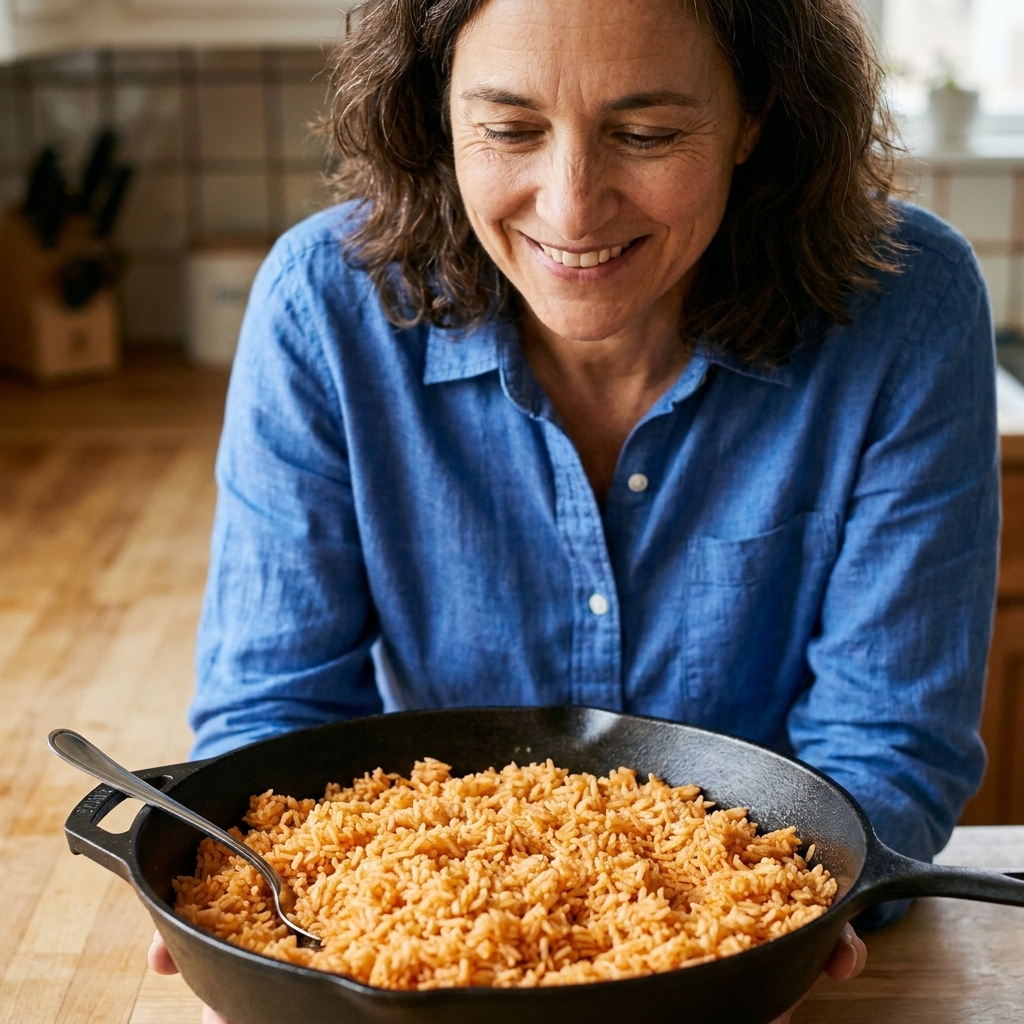
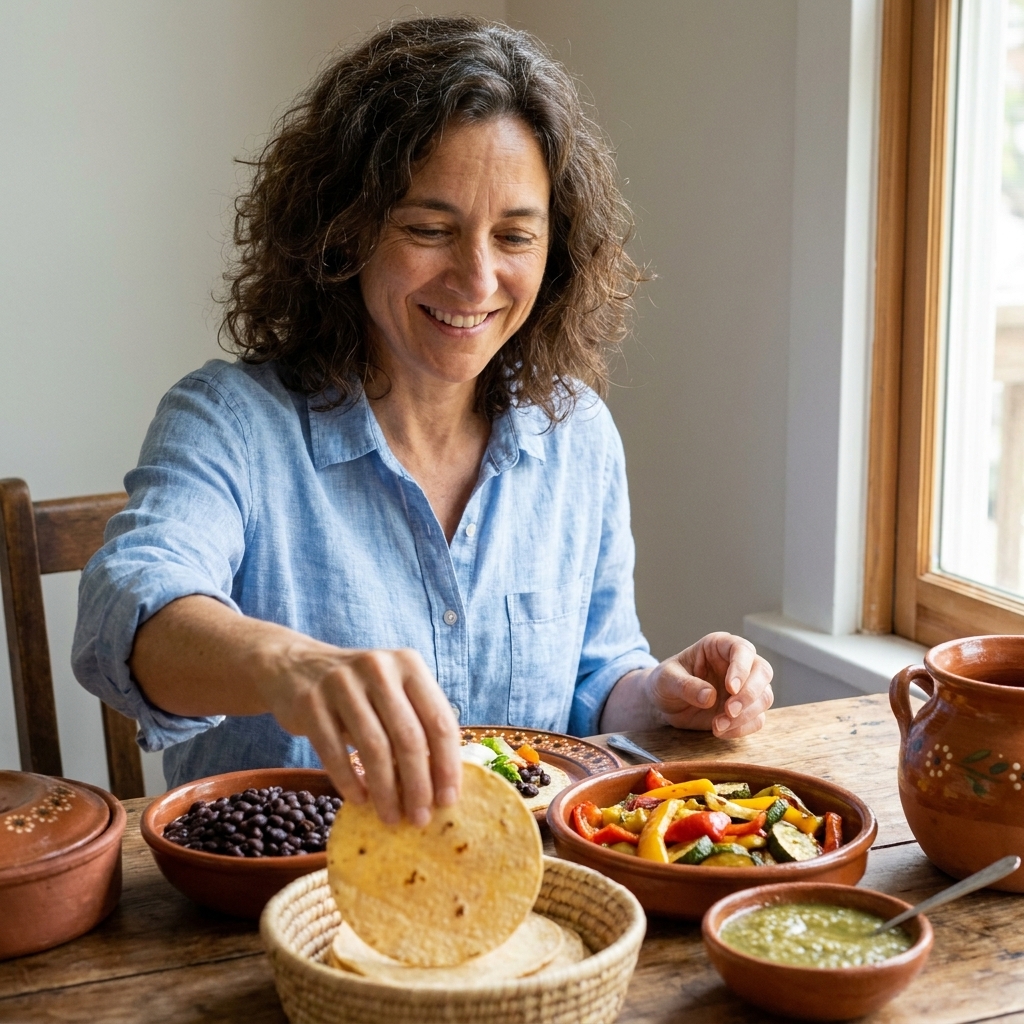
Refried beans, arroz rojo, a simple shredded lettuce salad with lime, and warm corn tortillas. If you are doing a bigger spread, add a bright salsa and sliced avocado.