A warm, beginner-friendly guide to authentic pork tamales: tender chile pork, fluffy masa, easy assembly, and foolproof steaming tips, just like home.
The Mexi Plate
Champurrado and Atole

Elena Valdés
Elena Valdés is a Mexican-American home cook and the culinary heart behind MexiPlate. Inspired by the bustling kitchens of her childhood in Jalisco and Texas, she specializes in translating authentic Mexican flavors into approachable recipes for everyday cooks. Whether she is sharing her grandmother's secret for the perfect tamale masa or a quick 30-minute weeknight enchilada bake, Elena believes that good food is the best way to bring people together.
Published October 17, 2026
Updated October 17, 2026
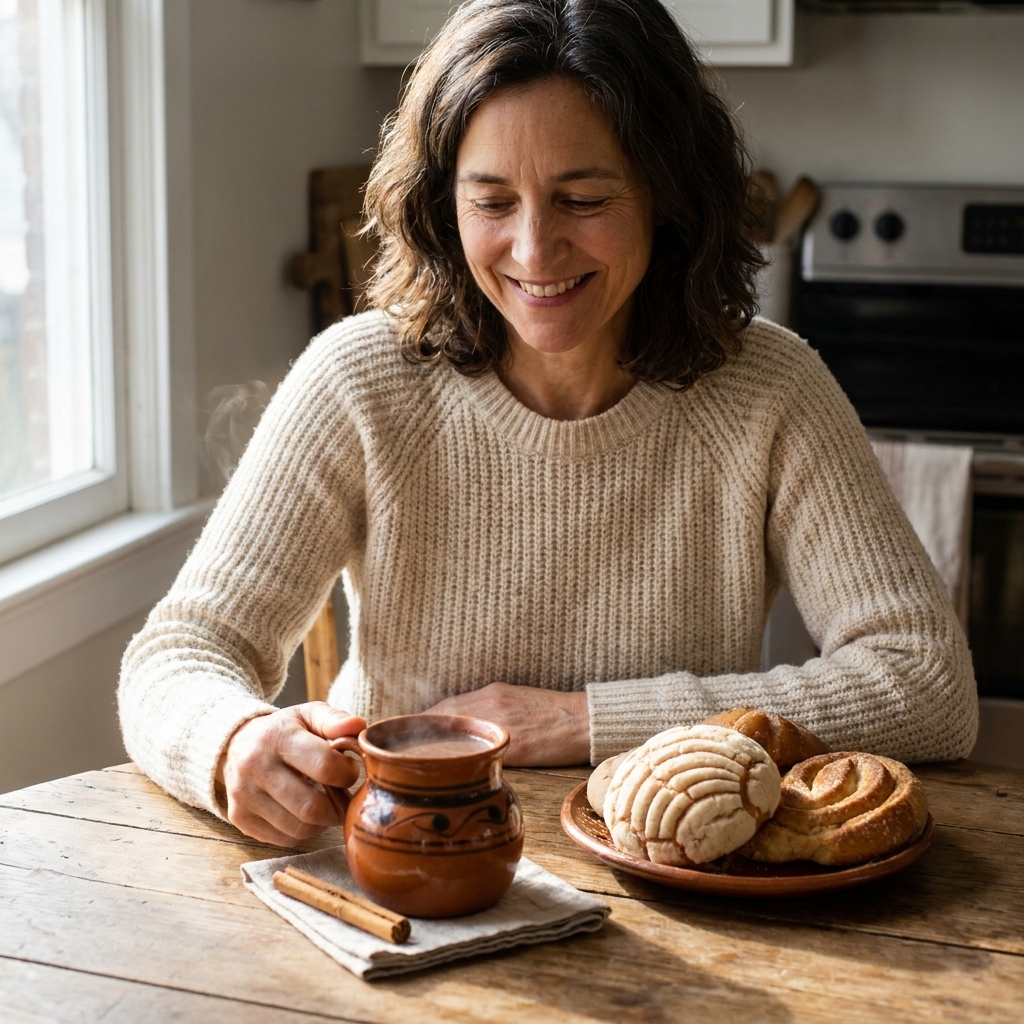
There are desserts you slice, desserts you scoop, and then there are the ones you wrap your hands around. Champurrado and atole are the cozy, thickened drinks I grew up with on chilly mornings in San Antonio and on holiday nights in Jalisco, when the kitchen windows fog up and the whole house smells like canela.
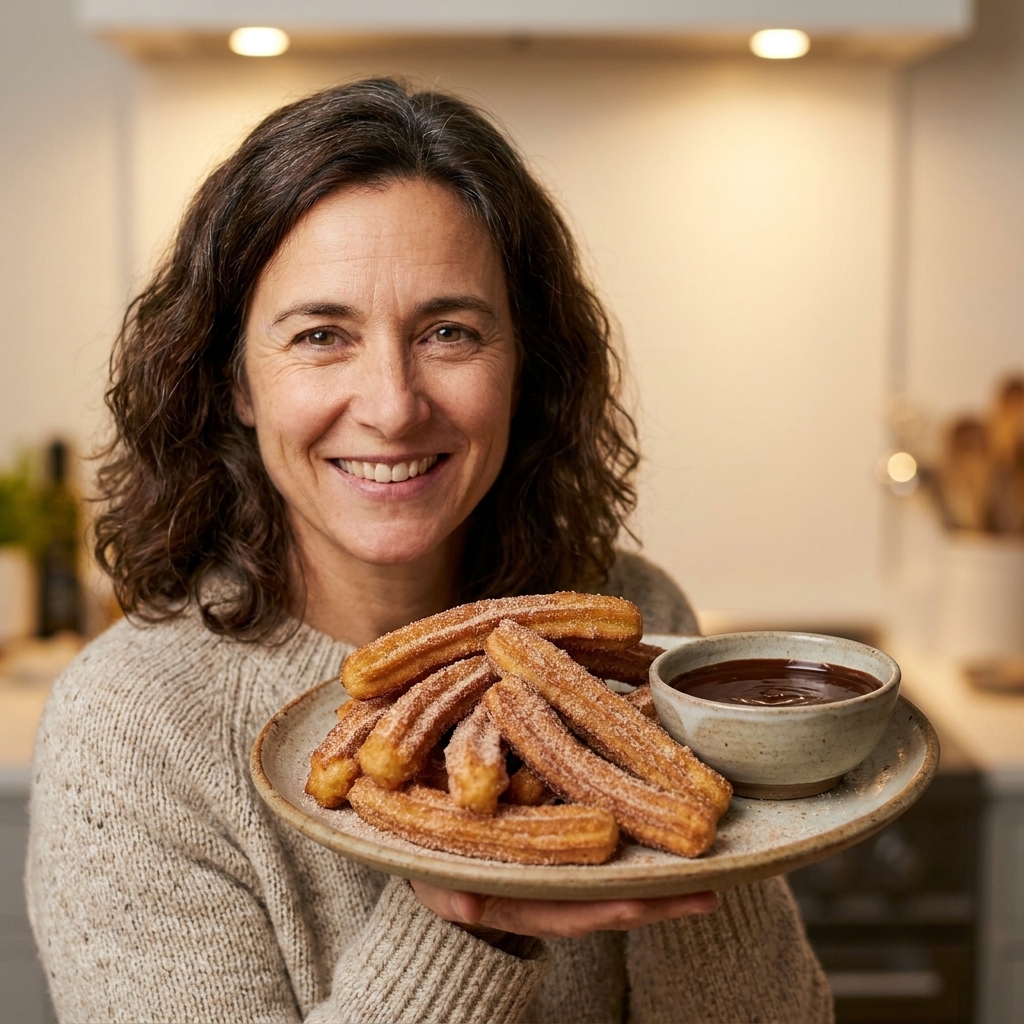
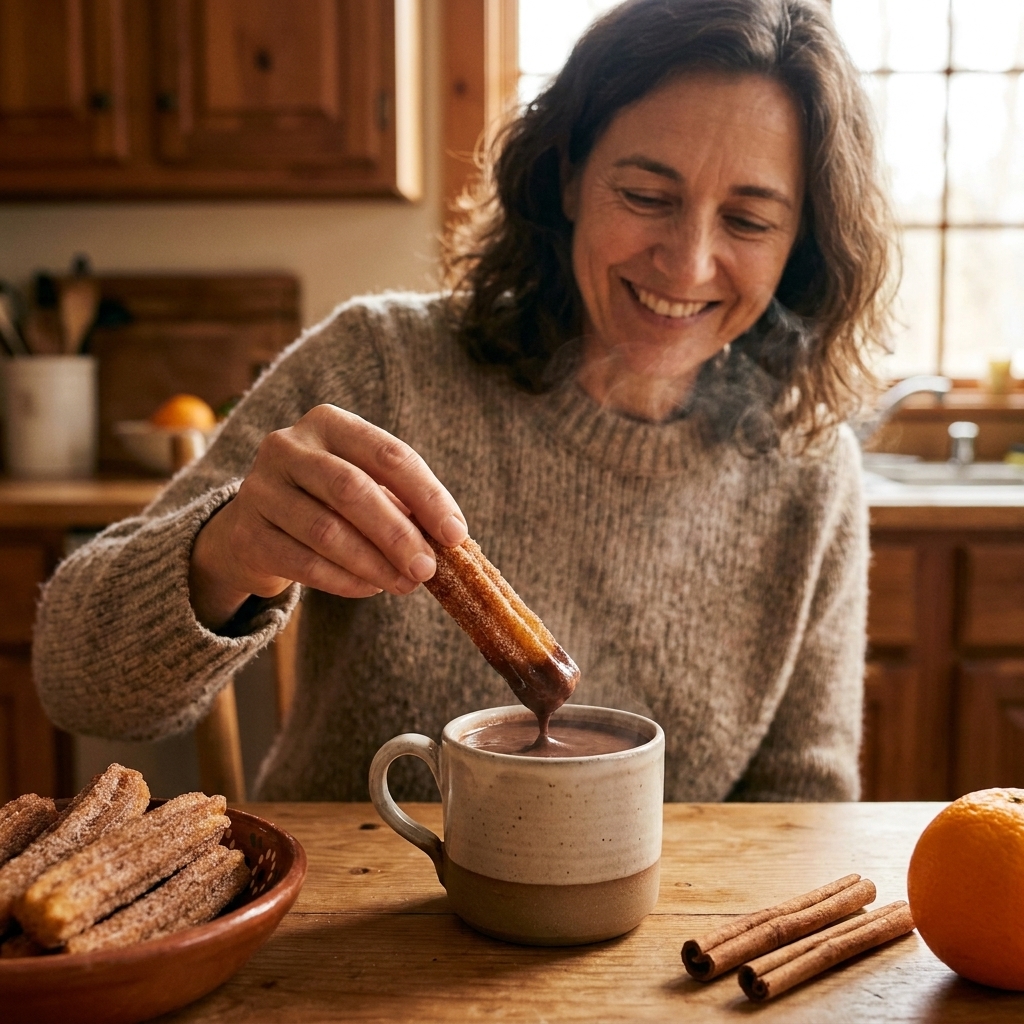
If you have ever dipped a churro into a steaming mug of champurrado, you know exactly what I mean. These are drinkable desserts, made to be sipped slowly, shared generously, and served hot enough to earn that first happy sigh.
What are atole and champurrado?
Atole is a traditional Mexican hot drink, often thickened with a cooked grain or starch. Depending on the region and the cook, that could be masa (fresh masa or masa harina), rice, oats, pinole, or even cornstarch. In my home, it was usually masa, then flavored with vanilla, cinnamon, fruit, nuts, or chocolate. It is smooth, comforting, and just sweet enough to feel like dessert.
Champurrado is essentially a chocolate atole. Think of it as the heartier cousin of hot chocolate: thicker, earthier from the corn, and often flavored with Mexican chocolate, piloncillo, and canela.
In my family, atole showed up for quiet mornings, and champurrado came out when we had a reason to gather. Both are classic with tamales, pan dulce, buñuelos, and yes, churros.
The key ingredient: masa
The magic of these drinks is the masa. It gives you that velvety thickness and a gentle corn aroma that makes champurrado taste like something deeper than just cocoa and sugar.
Masa harina vs fresh masa
- Masa harina: The most accessible option and completely traditional for home cooks. You whisk it into cold liquid to create a slurry, then simmer until it thickens.
- Fresh masa: If you have access to a good tortillería, it makes a gorgeous atole. You will still want to dissolve it in cold liquid first for smoothness.
My no-lump rule
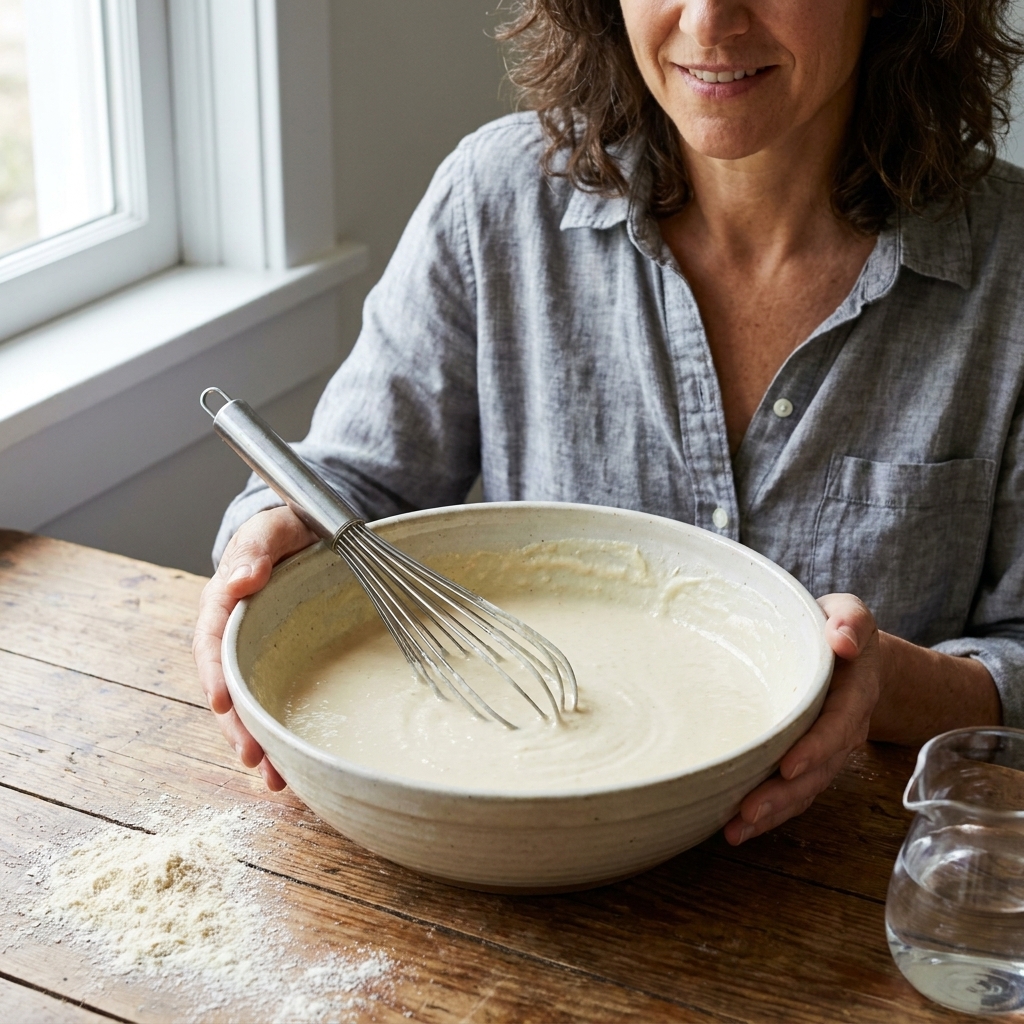
Never dump dry masa harina straight into hot liquid. Instead:
- Whisk masa harina with cold water or cold milk until perfectly smooth.
- Then slowly pour that slurry into the simmering pot, whisking constantly.
That one habit is the difference between silky and grainy.
Authentic champurrado recipe
This is the champurrado I make when I want the whole house to smell like Christmas, even if it is just a regular Tuesday night. It is thick enough to coat a spoon, but still easy to sip.
Ingredients (serves 6)
- 6 cups total liquid: use 6 cups water, or for a creamier version use 4 cups water plus 2 cups milk
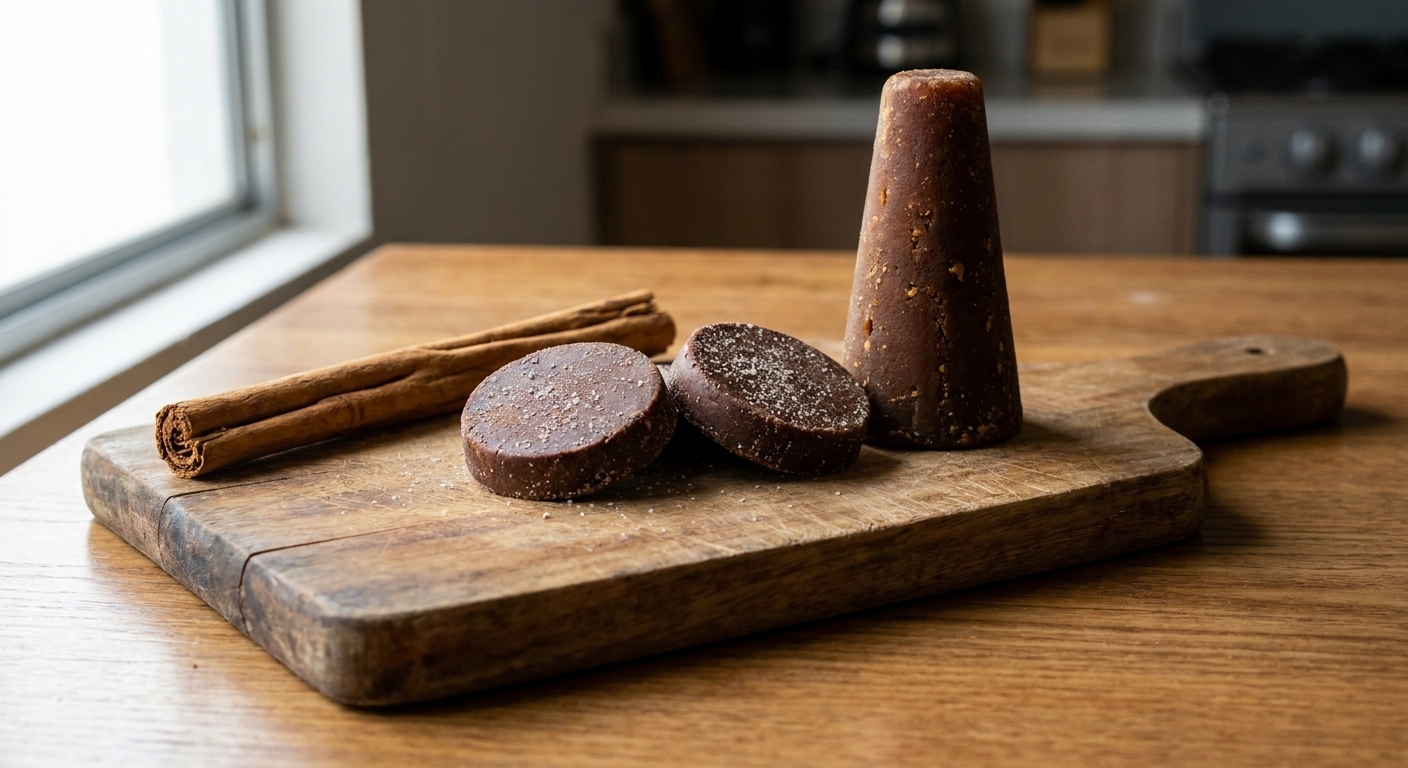
- 8 ounces piloncillo, grated or broken into chunks (or 3/4 cup packed dark brown sugar)
- 1 cinnamon stick (canela if possible)
- 3/4 cup masa harina
- 3 ounces Mexican chocolate, chopped (for example, Ibarra), or 1/3 cup unsweetened cocoa plus 1/4 cup sugar
- 1/2 teaspoon vanilla extract
- Pinch of salt
Instructions
- Make the cinnamon syrup. In a medium pot, bring your 6 cups total liquid to a gentle simmer with the piloncillo and cinnamon stick. Stir until the piloncillo fully dissolves, 5 to 8 minutes.
- Mix your masa slurry. In a bowl, whisk the masa harina with 1 cup cold water (taken from your total liquid if you are measuring as you pour) until smooth like heavy cream. No dry pockets.
- Thicken the pot. Remove the cinnamon stick. While whisking the simmering liquid, slowly pour in the masa slurry. Keep whisking for 2 to 3 minutes as it starts to thicken.
- Add chocolate. Add the chopped Mexican chocolate (or cocoa and sugar). Whisk until melted and fully incorporated.
- Simmer to the right texture. Lower the heat and simmer 10 to 15 minutes, whisking often and scraping the bottom so nothing sticks. It should look glossy and slightly thick. It can splutter as it simmers, so keep the heat gentle and stay close.
- Finish. Add vanilla and a pinch of salt. Taste and adjust sweetness if needed. Serve hot.
Want that classic foam?
Once the chocolate is fully melted, you can use a molinillo right in the pot (or a whisk) to froth it up before serving.
How thick should it be?
In my kitchen, champurrado should be thick enough that it feels like dessert, but not so thick that it turns into pudding. If it gets too thick as it sits (it will), whisk in a splash of hot water or milk to loosen it.
Authentic vanilla atole recipe
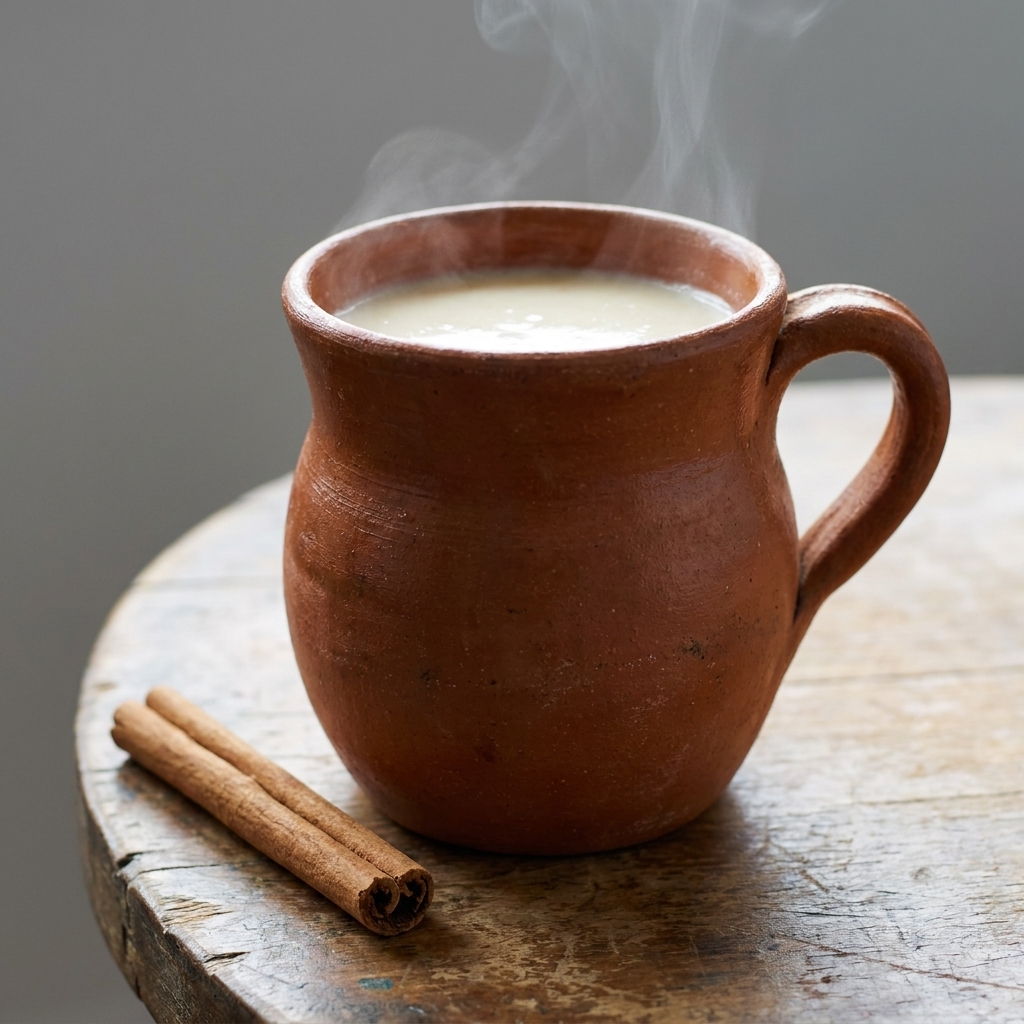
If champurrado is the party, vanilla atole is the hug. It is simple, fragrant, and a perfect base for fruity or nutty variations.
Ingredients (serves 6)
- 6 cups total liquid: use 6 cups milk, or a lighter version with 4 cups milk plus 2 cups water
- 1 cinnamon stick
- 1/2 cup masa harina
- 1/2 cup granulated sugar, or piloncillo to taste
- 2 teaspoons vanilla extract (or 1 tablespoon vanilla paste)
- Pinch of salt
Instructions
- Warm the milk. In a pot, warm your 6 cups total liquid with the cinnamon stick until steaming, not boiling.
- Make a slurry. In a bowl, whisk the masa harina with 1 cup cold water or cold milk (taken from your measured total liquid) until smooth.
- Thicken. Remove the cinnamon stick. Whisking constantly, slowly pour the slurry into the pot.
- Sweeten and simmer. Add sugar (or piloncillo) and a pinch of salt. Simmer 8 to 12 minutes, whisking often, until silky and lightly thickened. Keep the heat gentle to avoid popping and scorching.
- Finish with vanilla. Turn off the heat, stir in vanilla, and serve hot.
Traditional variations
Once you understand the masa technique, you can take atole in a lot of directions without losing what makes it feel traditional. Here are a few of my favorites.
Strawberry (Atole de fresa)
- Blend 2 cups strawberries with 1 cup milk until smooth.
- Strain if you want a smoother sip.
- Stir into finished vanilla atole and warm gently for 2 to 3 minutes.
Guava (Atole de guayaba)
- Start with 4 ounces guava paste (up to 8 ounces for a sweeter, stronger guava flavor). Chop it, then simmer it in the milk until dissolved, stirring often.
- Proceed with the slurry as usual.
- Add a squeeze of lime at the end for brightness, if you like.
Pinole atole
- Replace 1/3 of the masa harina with pinole (toasted ground corn).
- Sweeten to taste and add cinnamon plus a tiny pinch of anise if you love that bakery flavor.
Champurrado with chile depth
This is optional, but very traditional in some homes: add a tiny pinch of chile ancho powder or a small piece of dried ancho while the cinnamon steeps, then remove it before thickening. It will not taste spicy. It just tastes rounder and more chocolatey.
Ingredient swaps
I am all for tradition, and I am also all for the drink happening even when the grocery store does not cooperate.
- No piloncillo? Use dark brown sugar. If you have a little molasses, add 1 teaspoon for that deeper piloncillo vibe.
- No Mexican chocolate? Use unsweetened cocoa plus sugar, and add cinnamon. Mexican chocolate usually includes cinnamon and has a distinct texture, but cocoa still makes a delicious champurrado.
- Dairy-free? Use unsweetened oat milk (creamiest), almond milk (lighter), or a mix of coconut milk and water (richer). Start with less sweetener since some plant milks are already sweet.
- Fresh masa instead of masa harina? Fresh masa varies in moisture. Start with 1 1/2 cups fresh masa dissolved in cold water or milk, whisk until smooth, then strain if needed. Simmer and adjust: add a little more diluted masa if you want it thicker, or loosen with hot water or milk if it goes too far.
Troubleshooting
It is lumpy
- Most common cause: adding masa directly to hot liquid.
- Fix: carefully blend with an immersion blender, or pour into a blender in batches and blend until smooth. Return to the pot and simmer 2 to 3 minutes.
It tastes chalky or grainy
- Cause: not simmering long enough for the masa to hydrate and cook.
- Fix: simmer 5 to 10 more minutes, whisking often. Atole should taste cooked and cohesive, not raw.
It is too thick
- Fix: whisk in hot milk or hot water, a little at a time. It thickens as it cools, so aim slightly looser than your final serving texture.
It scorched on the bottom
- Cause: heat too high or not whisking frequently.
- Fix: immediately pour into a clean pot without scraping the bottom. Continue gently simmering and whisking.
Serving ideas
In my house, the mug is only half the experience. The other half is what you dunk.
- Churros for that classic chocolate moment
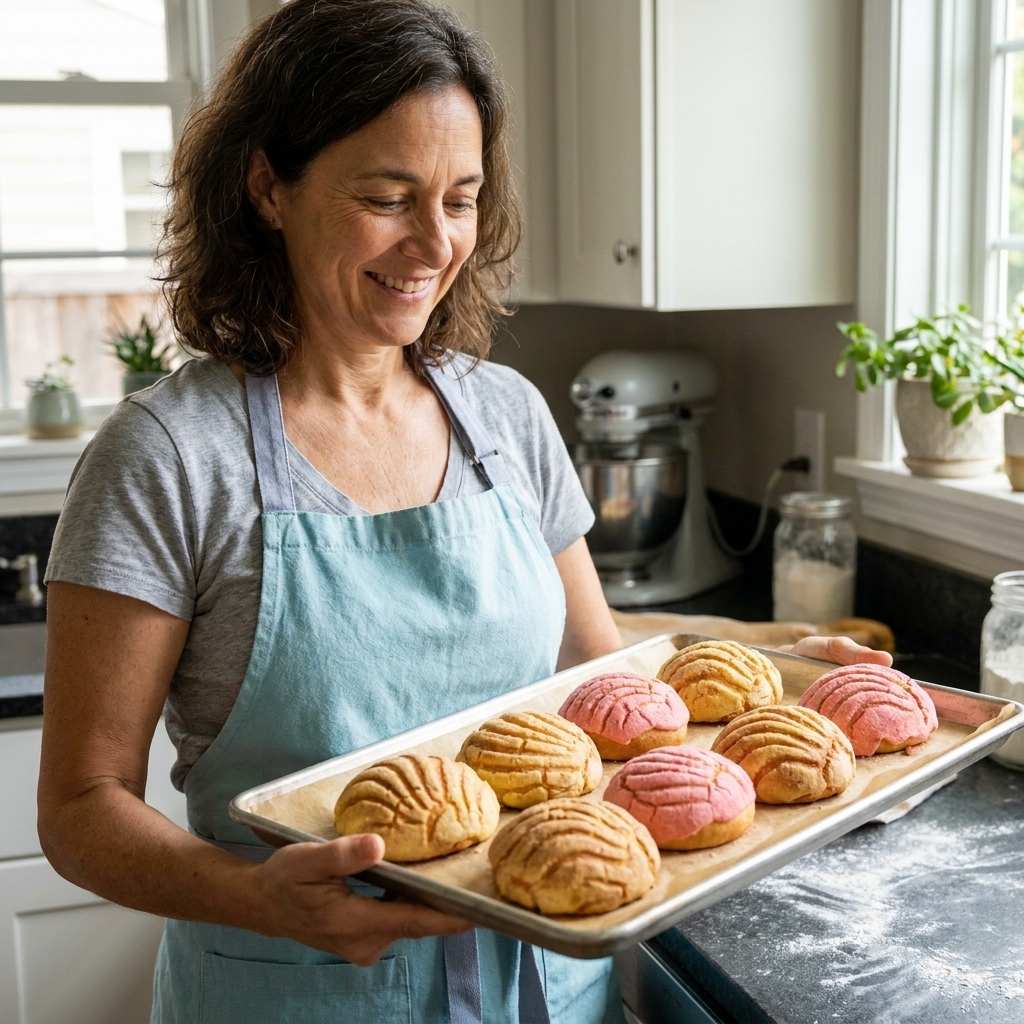
- Pan dulce, especially conchas, orejas, or a slice of rosca
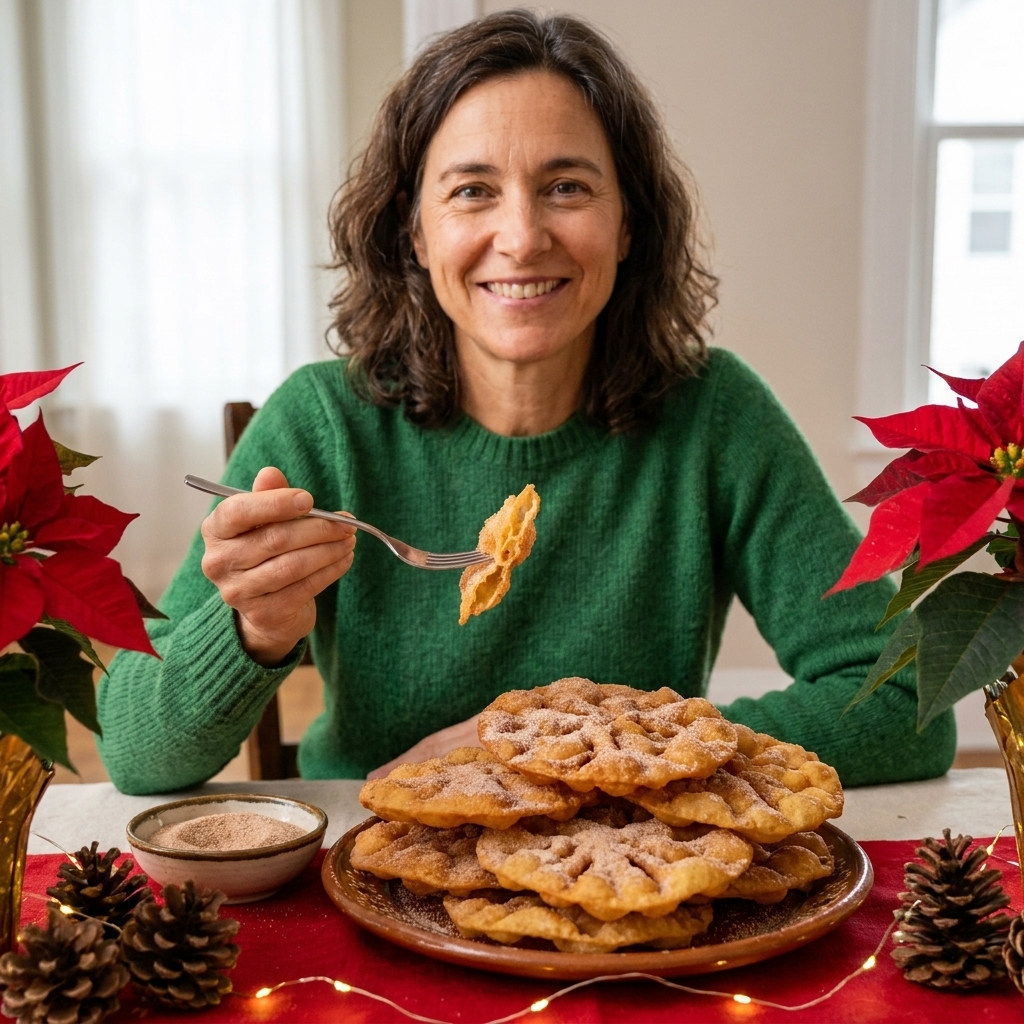
- Buñuelos for crunchy, cinnamon-sugar bliss
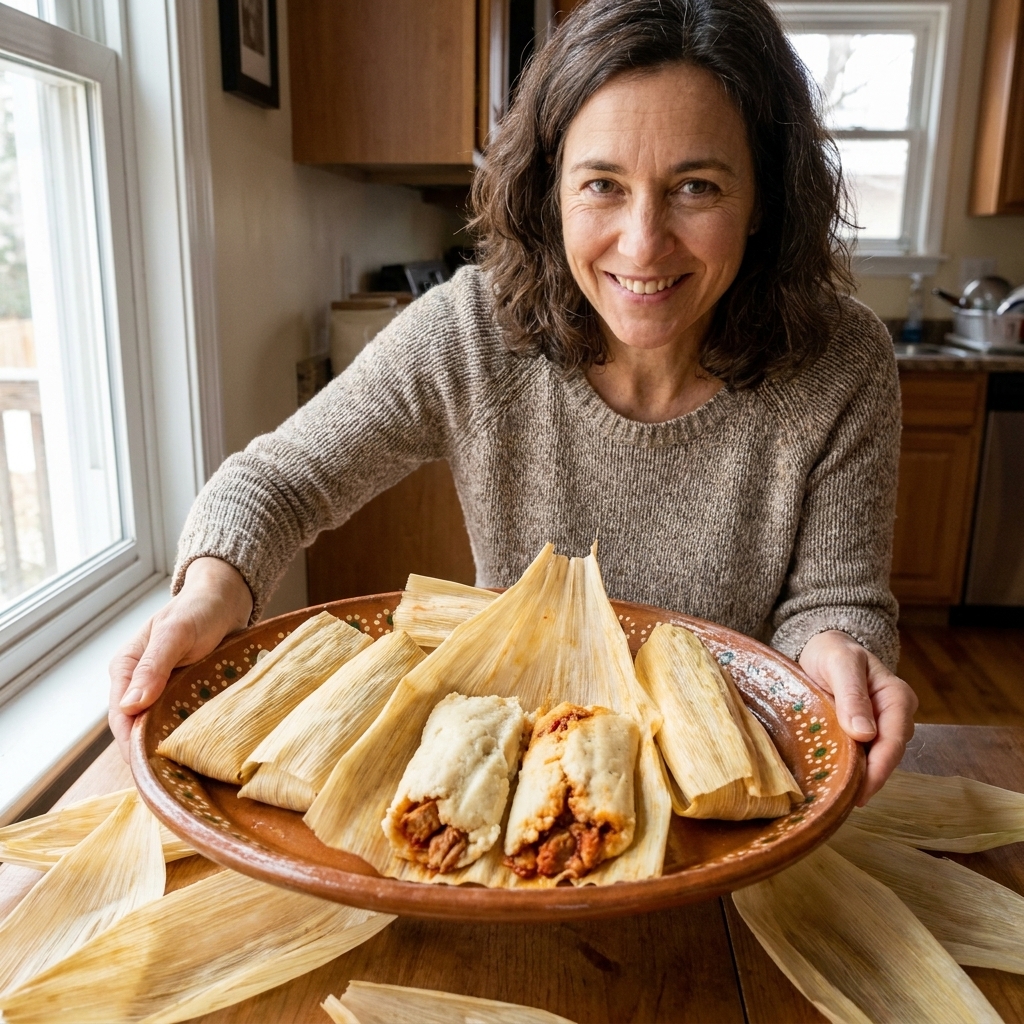
- Tamales, sweet or savory, because champurrado and tamales are basically family
Tools
A heavy-bottomed pot helps prevent scorching, and a whisk is essential. If you grew up with a molinillo, it is perfect here too, especially for champurrado when you want that classic froth.
Storage and reheating
Both atole and champurrado store beautifully, and they reheat well with one small note: they will thicken in the fridge.
- Refrigerate: Let cool, cover, and refrigerate up to 4 days.
- Reheat: Warm on the stove over medium-low, whisking often. Add a splash of milk or water to loosen.
- Freeze: You can, but the texture may separate slightly. Whisk vigorously while reheating to bring it back together.
FAQ
Is champurrado the same as Mexican hot chocolate?
Not exactly. Mexican hot chocolate is usually made with milk (or water), Mexican chocolate, and cinnamon, but no masa. Champurrado includes masa, which makes it thicker and gives it that classic corn depth.
Can I make atole without masa harina?
Masa is what makes this style of atole taste like atole. If you cannot find masa harina, you can use fresh masa. Some households thicken with cornstarch in a pinch, but it will taste like a different drink.
How do I make it less sweet?
Start with less piloncillo or sugar and sweeten at the end. Mexican chocolate can be sweetened already, so taste before adding more.
Can kids drink champurrado?
Yes. Traditional champurrado and atole are non-alcoholic. Just serve at a safe temperature and keep it warm, not boiling hot.
A little kitchen heart
My abuela used to say you can tell when champurrado is ready by the sound. When it starts to thicken, the whisk drags just a little, and the pot goes quiet between bubbles, like it is settling into itself. That is when you lower the heat, taste for sweetness, and call everyone in.
If you make either of these, I hope you treat it the same way we do: as an excuse to slow down, pour another mug, and share something warm with someone you love.