Master chile de árbol salsa taquera with safe toasting tips, clarified timing, exact blending steps, and secrets for a smooth street-style red sauce.
The Mexi Plate
Traditional Pork Tamales for Beginners

Elena Valdés
Elena Valdés is a Mexican-American home cook and the culinary heart behind MexiPlate. Inspired by the bustling kitchens of her childhood in Jalisco and Texas, she specializes in translating authentic Mexican flavors into approachable recipes for everyday cooks. Whether she is sharing her grandmother's secret for the perfect tamale masa or a quick 30-minute weeknight enchilada bake, Elena believes that good food is the best way to bring people together.
Published October 17, 2026
Updated October 17, 2026
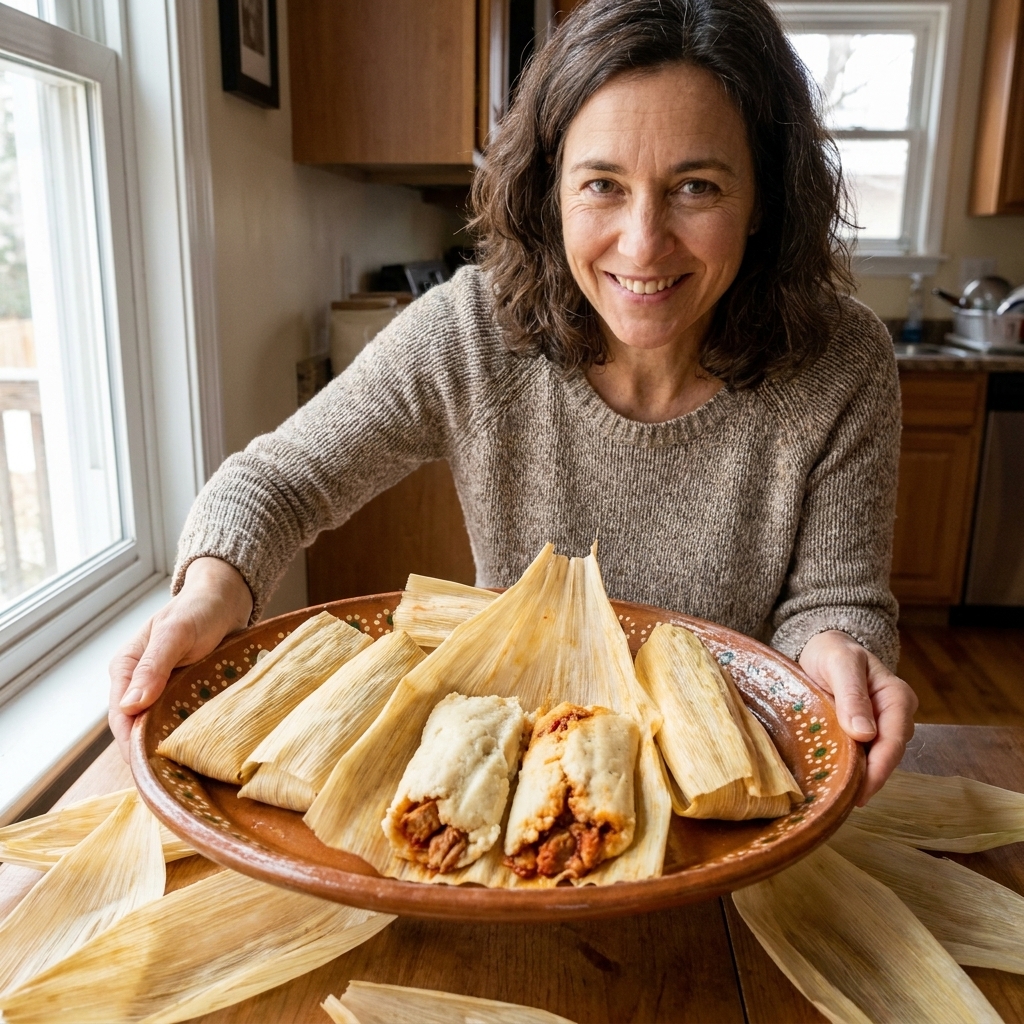
If you grew up around tamales, you already know they are not just food. They are a whole afternoon, a kitchen full of steam, and someone calling from the stove, “Mija, come spread the masa.” I was born in Jalisco and raised in San Antonio, and tamales always felt like the bridge between both homes. The good news for beginners is this: tamales are not hard, they are simply a process.
This guide walks you through the three big pieces: the chile-pork filling, the masa, and the assembly and steam. Step by step, with the little fixes that keep tamales fluffy, flavorful, and not stuck to the husk.
What makes a tamal taste right
A traditional pork tamal has three textures and flavors working together.
- Masa that is light, not gummy. It should feel airy when you bite it.
- A filling with real chile depth, not just heat. Think earthy, smoky, and a little tangy.
- Proper steaming so the masa sets, the husk peels away cleanly, and everything stays moist.
When one of those is off, people think they messed up tamales. Usually, it is just one small fix, like more whipping in the masa or more water in the steamer.
Shopping list and swaps
For the pork
- Pork shoulder (also sold as pork butt): best balance of meat and fat for shredding
- Onion, garlic
- Bay leaf, salt
For the red chile sauce
- Dried guajillo chiles: mild, fruity, classic tamal flavor
- Dried ancho chiles: deeper, raisiny, adds body
- Mexican oregano (preferred), cumin
- Apple cider vinegar or a squeeze of lime for brightness
For the masa
- Masa harina for tamales (labeled for tamales if possible)
- Lard (traditional) or vegetable shortening
- Warm broth (pork broth from cooking the meat is perfect)
- Baking powder, salt
Husks
- Dried corn husks
Swaps that still taste authentic: If you cannot find ancho, use pasilla. If you cannot find Mexican oregano, use a smaller amount of Mediterranean oregano and add a pinch of cumin to round it out. If lard is not an option, choose shortening, then lean harder on a flavorful broth to keep the masa tasting rich.
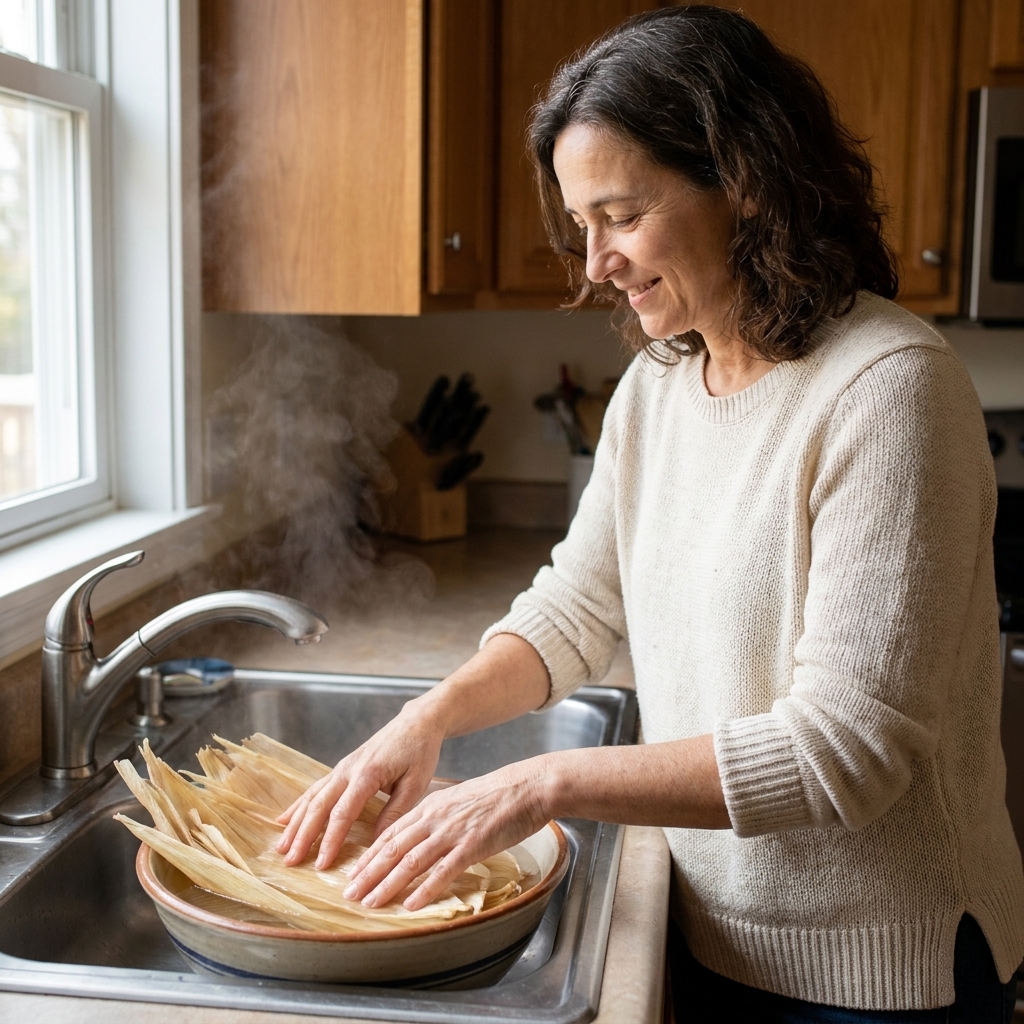
Step 1: Prep the husks
Do this first. Husks need time to soften.
- Rinse the husks under running water to remove any dust.
- Soak in very warm water for 30 to 45 minutes, weighted down with a plate so they stay submerged.
- Drain and keep them wrapped in a clean kitchen towel so they do not dry out while you assemble.
Quick husk tip: Sort them into big, medium, and small. Big ones for regular tamales, smaller ones for patching tears.
Step 2: Cook the pork
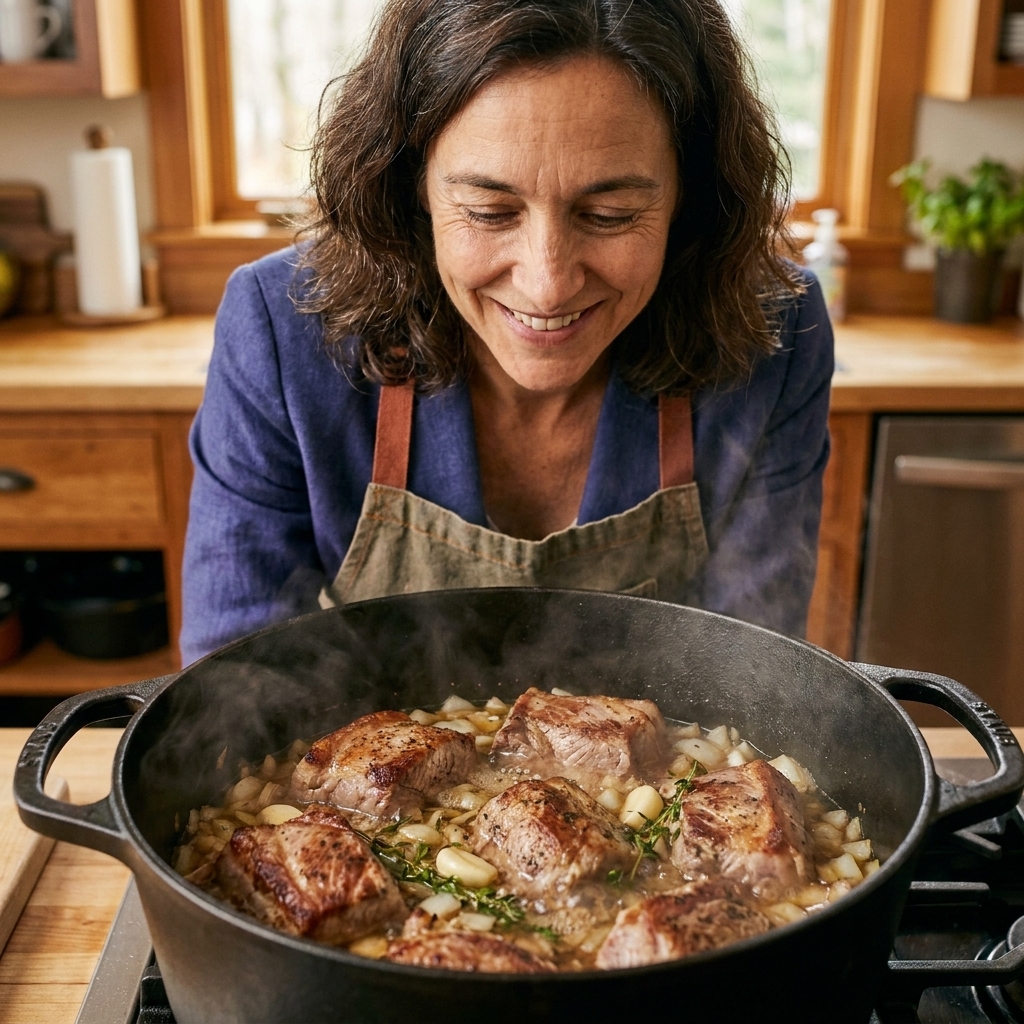
You have two goals: pork that shreds easily and broth you can use in the masa.
Simmer method
- Cut 3 to 4 pounds pork shoulder into large chunks. This helps it cook evenly.
- Add to a pot and cover with water by about 2 inches. Add 1/2 onion, 4 to 6 garlic cloves, 1 bay leaf, and a good pinch of salt.
- Bring to a gentle simmer, then partially cover and cook until very tender, about 1 1/2 to 2 1/2 hours depending on the size.
- Remove pork, cool slightly, then shred with two forks.
- Strain and save the broth. You will want at least 4 cups for the masa and sauce.
Shortcut: A pressure cooker speeds this up a lot. The goal is still the same, shreddable pork and flavorful broth.
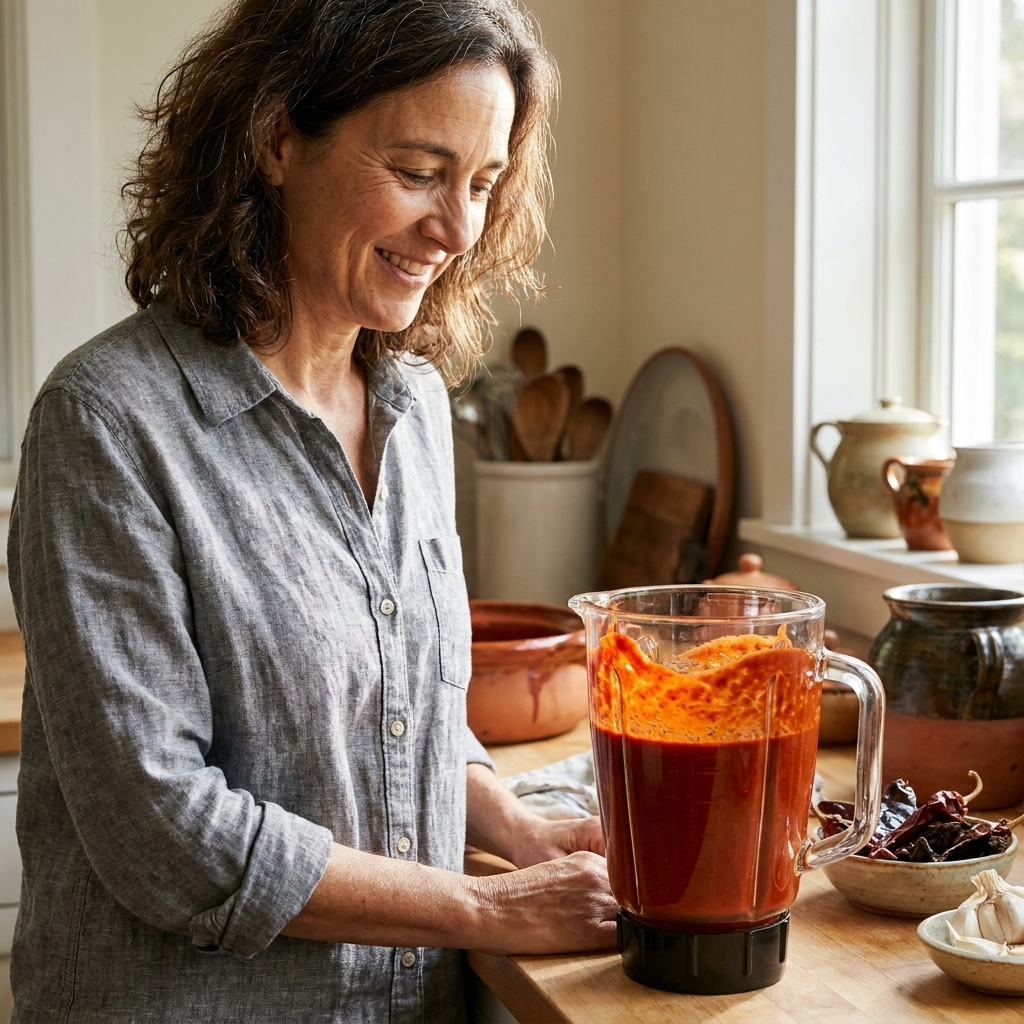
Step 3: Red chile sauce
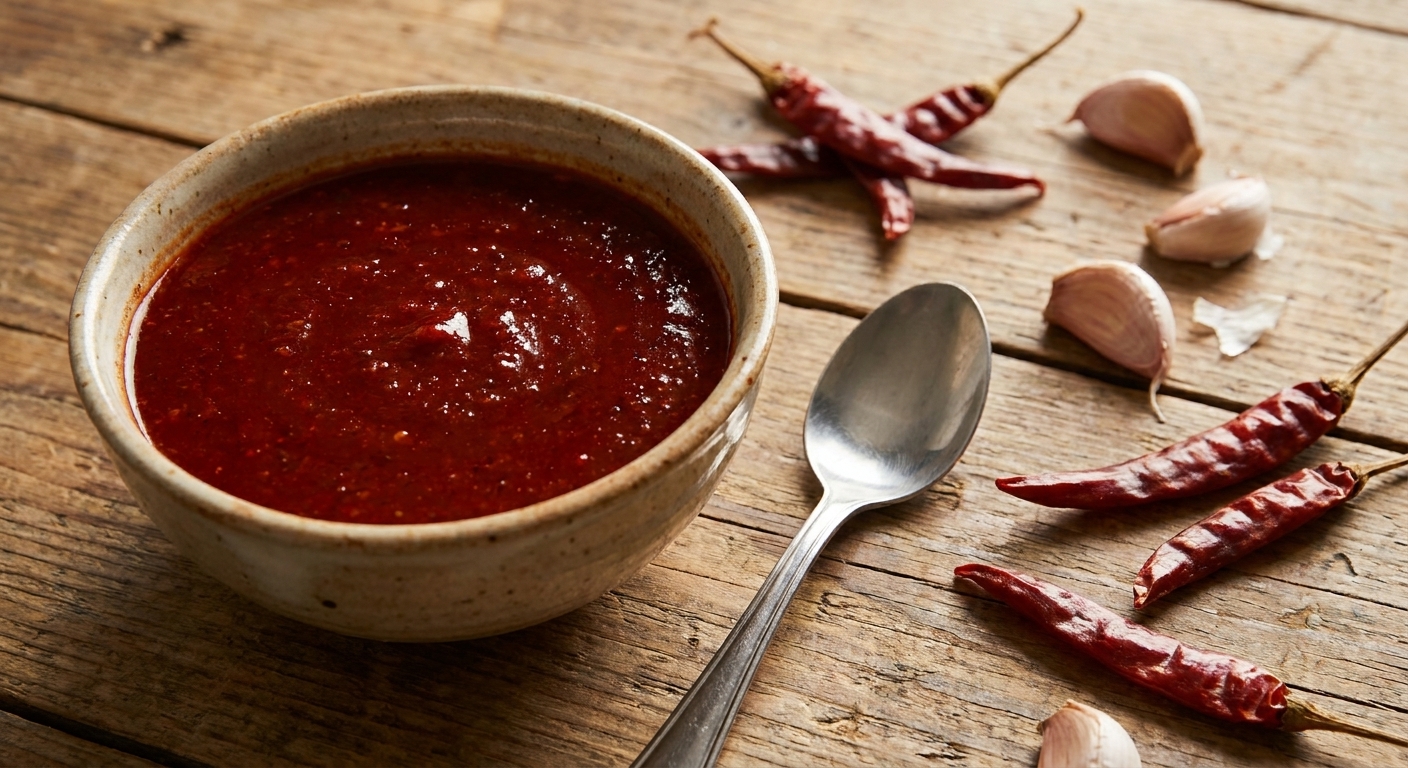
This is where the soul of pork tamales lives. Guajillo brings that signature red color and gentle fruitiness. Ancho adds a deeper, almost chocolatey warmth.
Ingredients
- 6 guajillo chiles, stems and seeds removed
- 2 ancho chiles, stems and seeds removed
- 2 to 3 garlic cloves
- 1/4 white onion
- 1 teaspoon Mexican oregano
- 1/2 teaspoon ground cumin
- 1 to 2 teaspoons apple cider vinegar (or lime to taste)
- Salt
- 1 1/2 to 2 1/2 cups warm pork broth (as needed)
How to do it
- Toast the chiles quickly on a dry skillet, just a few seconds per side. Do not let them burn or they get bitter.
- Soften in hot water for 15 to 20 minutes.
- Blend softened chiles with garlic, onion, oregano, cumin, vinegar, a pinch of salt, and enough warm broth to blend smooth.
- Optional strain: Strain through a fine mesh strainer for a silky sauce. It is a common restaurant-style trick, but not required if you like a more rustic texture.
- Simmer the sauce 8 to 10 minutes, stirring, until it darkens slightly and tastes cooked, not raw.
How thick should it be? For tamales, you want it thick enough to cling to the pork, like a loose gravy. If it is too watery, simmer longer. If it is too thick, splash in a little broth.
Step 4: Season the filling
Combine your shredded pork with enough red chile sauce to make it juicy and cohesive, not soupy. Start with about 1 to 1 1/2 cups sauce, then add more as needed. Taste and adjust salt.
My abuela’s move: Let the filling simmer together for 10 minutes so the pork drinks in the chile flavor. Then cool it before assembling. Hot filling can melt the fat in the masa and make spreading harder.
Step 5: Fluffy masa
This is the part that makes beginners nervous, but it is very forgiving once you know what you are looking for. You want masa that spreads easily, holds its shape, and steams up tender.
Ingredients (about 20 to 30 medium tamales)
- 6 cups masa harina for tamales
- 2 teaspoons baking powder
- 2 teaspoons fine salt (plus more to taste)
- 2 cups lard, softened (or shortening)
- 4 1/2 to 6 cups warm broth (pork broth is ideal)
How to mix it
- In a bowl, whisk masa harina with baking powder and salt.
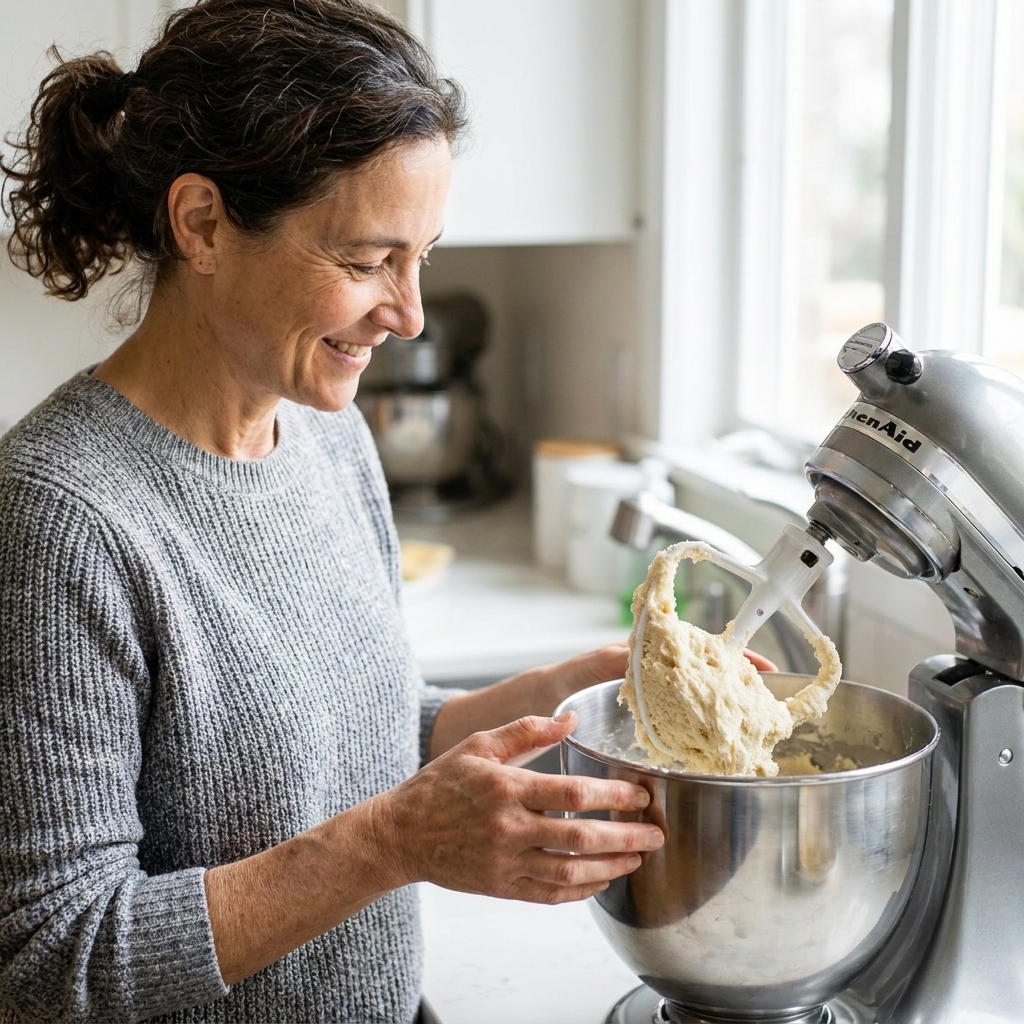
- In a stand mixer or with a hand mixer, beat the lard for 2 to 4 minutes until it looks lighter and a bit fluffy.
- Add the dry masa mixture in 3 additions, alternating with warm broth, mixing until smooth.
- Keep mixing for another 2 to 3 minutes. The masa should look airy and spreadable, like soft peanut butter.
Consistency check: Scoop some masa with a spoon and tilt it. It should slowly slide off, not crumble and not pour like batter.
Salt check: Cook a tiny spoonful of masa on a skillet like a little pancake. Taste it. Adjust salt now, not after you have wrapped 30 tamales.
Step 6: Assemble
Set yourself up like a little assembly line: husks, masa, filling, and a tray for finished tamales. Put on music, call a friend, or rope in a cousin. This is the fun part.
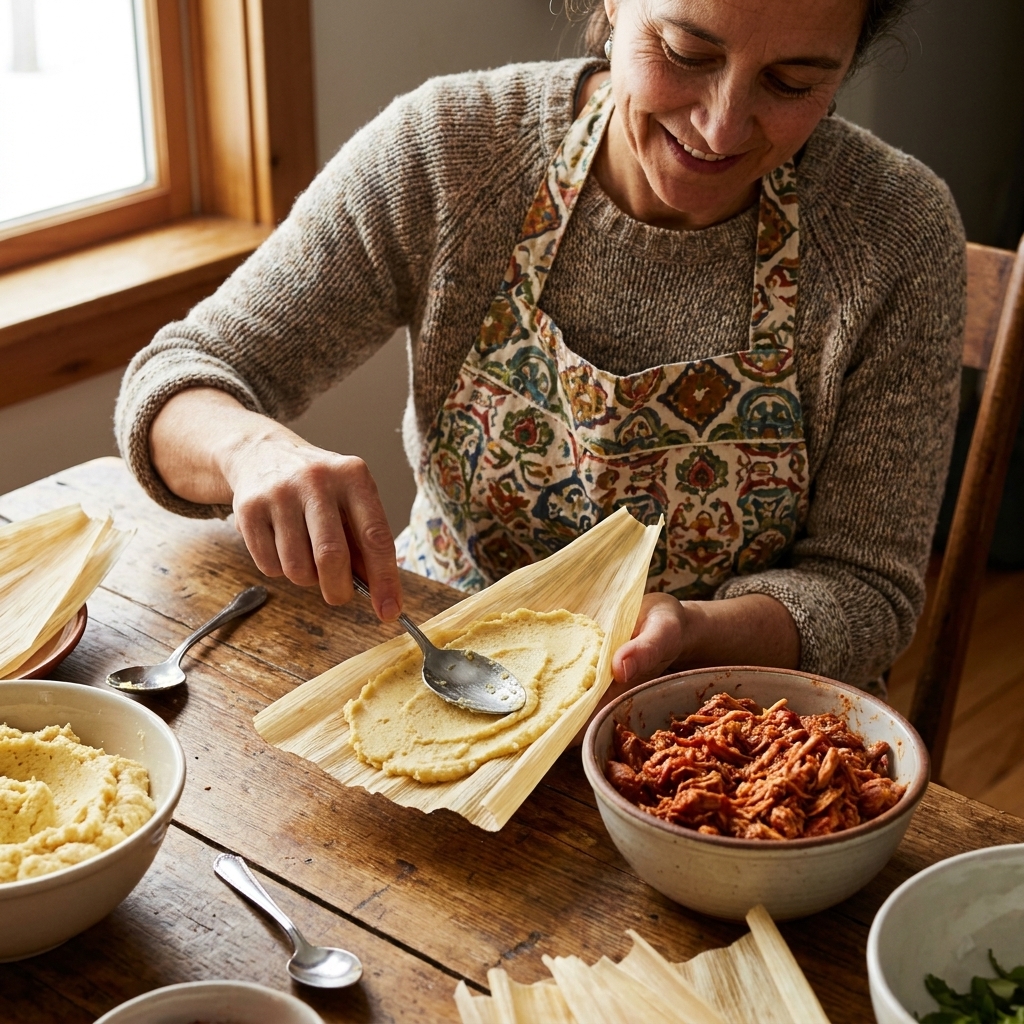
Spread the masa
- Lay a husk smooth side up, wider end closest to you.
- Spoon on about 2 to 3 tablespoons masa.
- Spread into a thin layer, about 1/4 inch thick, leaving about 1 to 2 inches clear at the top and at least 1/2 inch on one long side.
Easy spreading trick: Dip your spoon or offset spatula in warm water so the masa does not stick.
Fill and fold
- Place about 1 to 2 tablespoons pork filling in a line down the center.
- Fold one long side over the filling, then fold the other long side over, like closing a book.
- Fold the narrow bottom up. Leave the top open.
If the husk is small, overlap two husks or patch a tear with a thin strip of husk. Tamales are allowed to be a little rustic.
Step 7: Steam
Steaming is where tamales become tamales. You are not boiling them. You are cooking them gently with steady steam.
Set up the steamer
- Add water to the steamer base, making sure it stays below the steaming rack.
- Line the rack with a few extra husks to protect the tamales.
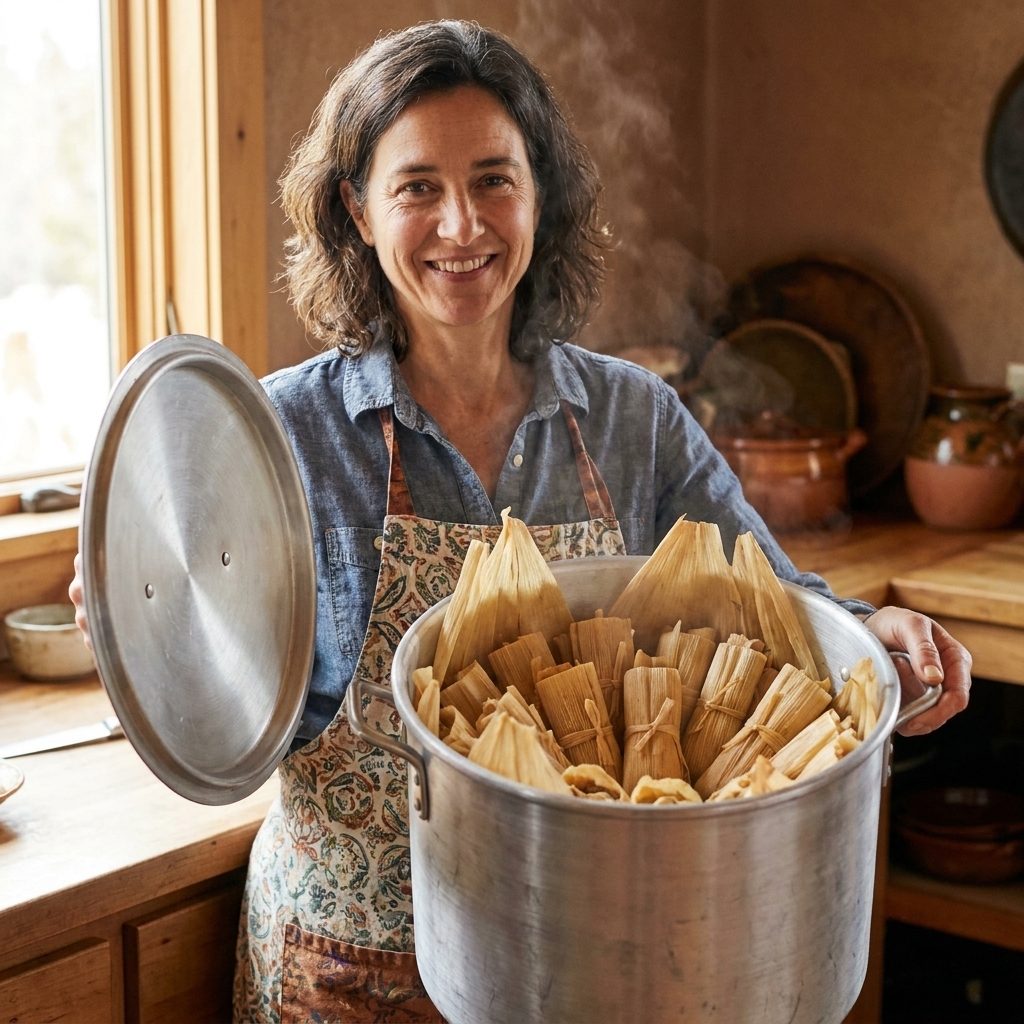
- Stand tamales upright with the open ends facing up, packed snugly but not smashed.
- Condensation tip: Use a tight-fitting lid. If your lid tends to drip, tuck a clean kitchen towel under the lid (keeping it away from the flame) to catch extra condensation so it does not rain onto the tamales.
Steam time
- Bring to a steady steam, then reduce heat to maintain it.
- Steam for 60 to 90 minutes, depending on size and how full the pot is.
- Check water level every 20 to 30 minutes and add hot water as needed.
How to know they are done: Pull one tamal out and let it rest 5 minutes. Unwrap. The husk should peel away cleanly, and the masa should look set, not wet or paste-like.
Before serving: Let the full batch rest 10 to 15 minutes off the heat. That little pause helps the masa finish setting and makes them easier to unwrap.
Beginner fixes
Masa sticks to the husk
- Tamales are understeamed. Keep steaming and test again after 10 to 15 minutes.
- Masa may be too wet. Next time, use slightly less broth.
Masa is dense
- The fat was not whipped enough. Beat lard until fluffy.
- Not enough fat. Traditional tamales need richness to turn tender.
- Steamer heat was too low. You need consistent steam.
Filling tastes bland
- Salt the chile sauce properly and simmer it to concentrate flavor.
- Add acidity. A little vinegar or lime wakes up dried chiles.
Tamales are dry
- Not enough filling sauce in the pork. Keep it juicy.
- Steamer ran low on water. Check the water more often.
Make-ahead and freezing
Make-ahead
- Filling: Make up to 3 days ahead. It actually tastes better after resting.
- Masa: Best the day you make it, but you can mix it a few hours ahead and keep it covered in the fridge. Let it come back toward room temp before spreading.
Freezing
- Cooked tamales freeze beautifully. Cool completely, then freeze in a sealed bag.
- You can also freeze unsteamed tamales, but the masa can turn slightly less tender after steaming from frozen. For the most consistent texture, freeze them cooked.
Reheating
- Steam: Best texture. Steam from frozen for 20 to 30 minutes.
- Microwave: Wrap in a damp paper towel and heat in short bursts. It is fast, but steaming stays more tender.
Serving ideas
Pork tamales are already a full meal, but it helps to set out a few simple sides so everyone can build their plate.
- Salsa verde or a smoky salsa roja
- Pickled red onions or jalapeños
- Frijoles de la olla or refried beans
- Arroz rojo
- Hot coffee, champurrado, or atole for a full tamal Saturday
FAQ
Do I have to use lard?
No, but lard is the traditional choice and gives the most tender, flavorful masa. If you use shortening, choose a good broth and taste for salt so the masa does not fall flat.
How many tamales does this make?
With the amounts in this guide, expect about 20 to 30 medium tamales. The number depends on husk size, how thin you spread the masa, and how generously you fill them.
Why do my tamales taste like baking powder?
Too much baking powder or not enough salt can make that taste stand out. Measure carefully, then do the little masa taste test on a skillet before you assemble.
Can I make them spicy?
Yes. Add 1 to 2 dried chiles de árbol to the sauce, or blend in a chipotle in adobo for smokier heat. Keep the balance so guajillo and ancho still lead.
What if my husks keep tearing?
They may need a longer soak, or they might be older and brittle. Patch with a strip of husk, or overlap two husks. Once steamed, nobody will care.
Before you start
Your first batch does not need to look like a bakery display. Traditional tamales are handmade, and that homemade look is part of the charm. Focus on the basics: flavorful filling, airy masa, and steady steam. After one batch, you will feel the rhythm. And the best part is what happens when you open the lid and the kitchen smells like you did something important.