A smooth, creamy homemade horchata made with rice and cinnamon, blended and strained the right way. Includes soak time, blend time, and the stand-style dilut...
The Mexi Plate
Easy Agua de Jamaica (Bright, Not Bitter)

Elena Valdés
Elena Valdés is a Mexican-American home cook and the culinary heart behind MexiPlate. Inspired by the bustling kitchens of her childhood in Jalisco and Texas, she specializes in translating authentic Mexican flavors into approachable recipes for everyday cooks. Whether she is sharing her grandmother's secret for the perfect tamale masa or a quick 30-minute weeknight enchilada bake, Elena believes that good food is the best way to bring people together.
Published November 18, 2026
Agua de jamaica was one of those “always in the fridge” drinks in my family. In Jalisco, it showed up at the table like it belonged there, next to a stack of warm tortillas. In San Antonio, it was my mom’s secret weapon for hot afternoons when we needed something icy and tart that did not come from a can.
The trick to truly bright jamaica is simple: do not boil it forever. A long, aggressive boil can pull more astringency from dried hibiscus (flor de jamaica). That is when the flavor can turn dull, woody, and a little bitter. A short simmer plus a covered steep gives you that jewel-red color and clean, cranberry-like tang.
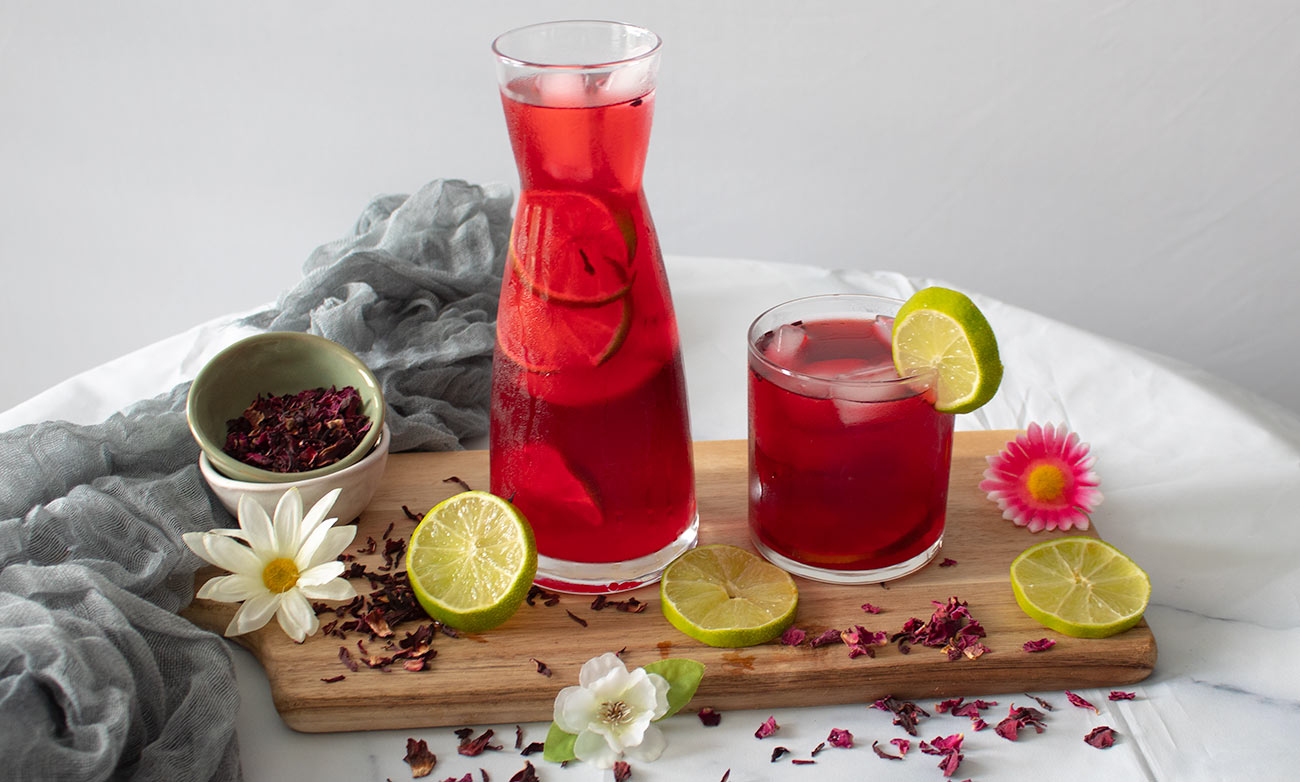
What you need
- Dried hibiscus (flor de jamaica): Look for clean, whole petals. If they are very dusty, give them a quick rinse in a fine mesh strainer.
- Water: You will make a strong tea base, then dilute to taste.
- Sweetener: Granulated sugar for a clean sweetness, or piloncillo for a deeper, caramel note.
- Lime (optional but recommended): A squeeze at the end makes the flavor pop.
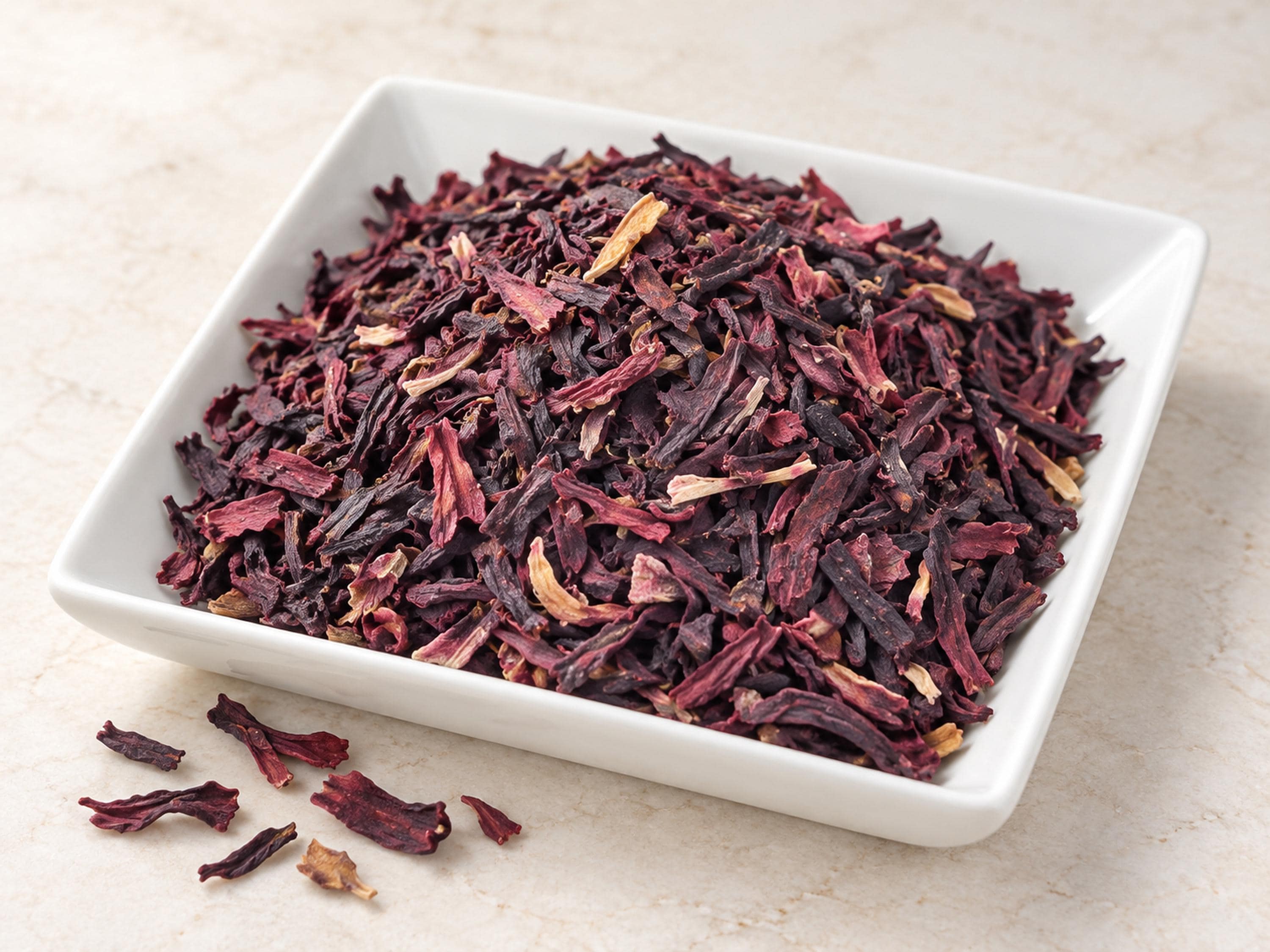
Easy Agua de Jamaica
Makes: about 2 quarts (8 cups), or 6 to 8 servings
Time: 15 minutes active, 20 to 30 minutes steeping, plus chilling
Ingredients
- 1 cup dried hibiscus (flor de jamaica), or about 1 to 1 1/2 ounces by weight
- 8 cups water, divided
- 1/2 to 3/4 cup sugar, to taste (or 3 to 4 ounces piloncillo, chopped)
- 1 to 2 limes, cut into wedges (for serving)
- Ice, for serving
Instructions
- Quick rinse (optional but nice): Place the dried hibiscus in a fine mesh strainer and rinse briefly under cool water to remove surface dust. Shake well.
- Short simmer: In a medium pot, bring 4 cups of the water to a boil. Add the hibiscus. Stir, then lower the heat to a gentle simmer for 5 minutes.
- Steep off heat: Turn off the heat, cover, and let it steep for 20 to 30 minutes. This is where you get a vibrant, clean flavor without pushing the tea base into bitterness.
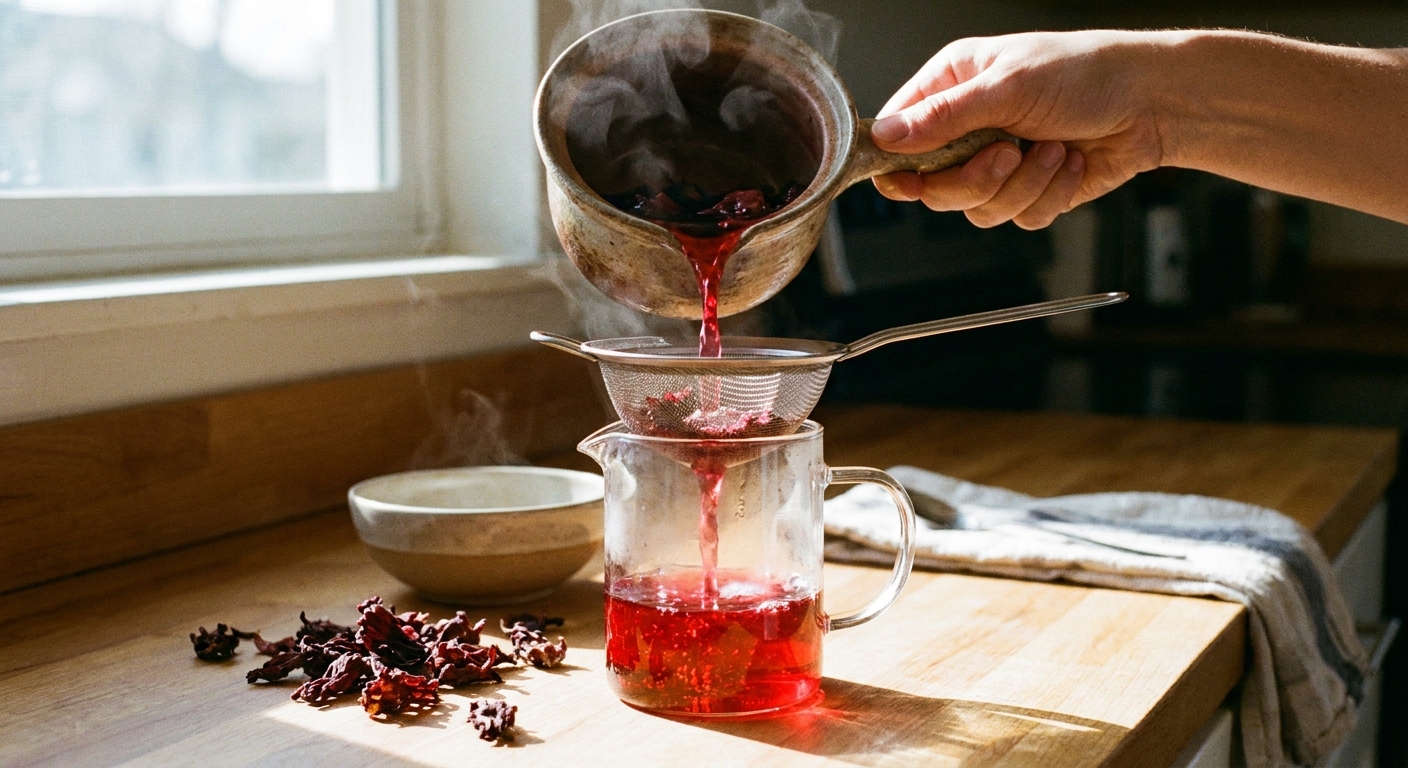
- Strain it clear: Pour through a fine mesh strainer into a pitcher. For extra clarity, strain a second time through a clean nut milk bag or a coffee filter set in the strainer. Pressing the petals can add more astringency, so let it drip and only press very lightly if you must.
- Sweeten while warm: Stir in the sugar (or piloncillo) until fully dissolved. Taste. The base should be a little sweeter than you want in the final drink because you will dilute it.
- Dilute and chill: Add the remaining 4 cups of water. Refrigerate until cold, at least 2 hours.
- Serve: Fill glasses with ice, pour in agua de jamaica, and finish with a squeeze of lime.
My lime tip: Squeeze lime into the glass, not the pitcher, unless you will finish it the same day. Lime is brightest right away, but it can mute the flavor a bit after a long sit.
Why it can turn bitter
Dried hibiscus is full of color and tangy flavor, but it also contains tannin-like compounds that extract more aggressively the longer you keep it boiling. This is about the hibiscus tea base, not the finished agua fresca.
- Long boil can mean more astringency: That reads as bitterness and a drying, almost black-tea-like finish.
- Hard boil can mean muddier aroma: The bright, fruity notes get overshadowed by cooked, woody flavors.
- Better method: A brief simmer to kick-start extraction, then a covered steep off heat. You get color, tartness, and a fresher taste.
Ratios to remember
If you do not want to measure every time, this is the ratio I use most often:
- For a 2-quart pitcher (8 cups): 1 cup dried hibiscus + 1/2 to 3/4 cup sugar + water to fill
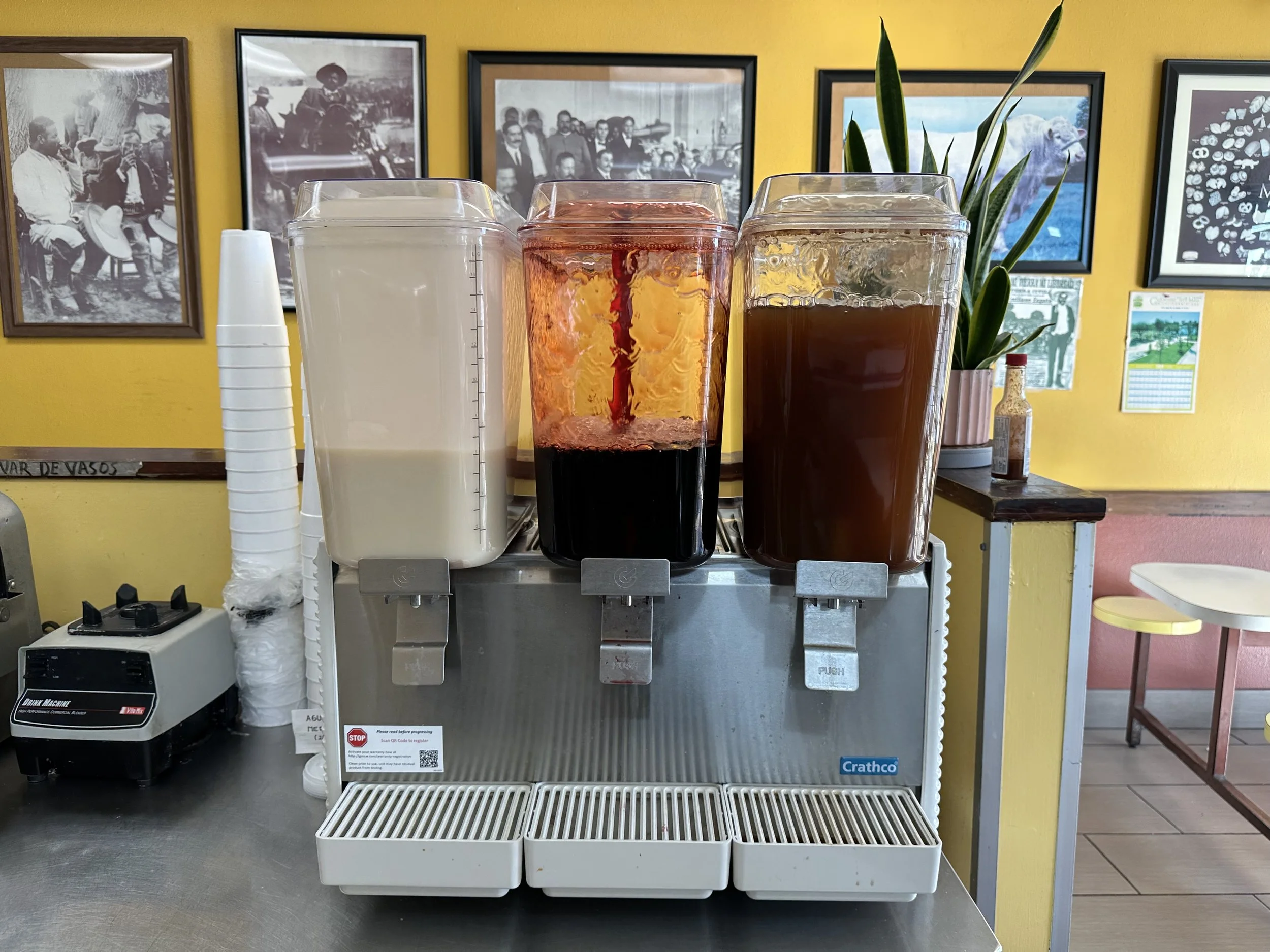
- For a 1-gallon drink dispenser (16 cups): 2 cups dried hibiscus + 1 to 1 1/2 cups sugar + water to fill
Remember: you are tasting for balance between tart and sweet. Hibiscus varies by brand and how tightly it is packed. If you want the most consistent results, use a kitchen scale.
Party concentrate
When I am hosting, I make a concentrate so the fridge is not taken over by one giant container. It also lets guests choose how strong they want it.
Concentrate recipe
Makes: about 4 cups concentrate
- 2 cups dried hibiscus
- 4 cups water
- 1 to 1 1/2 cups sugar (or 6 to 8 ounces piloncillo), to taste
Concentrate method
- Bring the water to a boil, add hibiscus, simmer 5 minutes.
- Cover and steep 25 minutes.
- Strain very well.
- Sweeten while warm, then chill.
How to serve it
- Classic strength: 1 part concentrate + 2 parts cold water
- Stronger and tarter: 1 part concentrate + 1 part cold water
- Self-serve station: Put concentrate in a pitcher, add a bowl of ice, a plate of lime wedges, and a carafe of cold water for topping off.
Sweeteners
Granulated sugar
- Clean, straightforward sweetness
- Lets the tart hibiscus flavor shine
- Easiest to dial in precisely
Piloncillo
- Warm, caramel-like sweetness with a faint molasses note
- Pairs beautifully with lime and spicy foods
- Tip: Chop or grate it so it dissolves quickly, and stir it in while the tea is still warm
Variations
Cinnamon
If you grew up with jamaica that tasted like it had a little hug in it, this is probably why. Add 1 small cinnamon stick during the steep, then remove it when you strain. Keep it subtle so the hibiscus stays in charge.
Orange
For a softer, rounder drink, add a few strips of orange peel (no white pith) during the steep. Strain with everything else, then serve with lime like usual.
Pineapple
If you want a fruitier agua fresca, stir in a splash of pineapple juice after chilling. I do this in the glass so the whole pitcher does not get too sweet.
Troubleshooting
It tastes bitter
- Next time, simmer only 5 minutes and steep 20 to 30 minutes.
- Do not press the hibiscus hard while straining.
- Balance with a little more sweetener and more dilution.
It tastes too tart
- Add more sugar or piloncillo.
- Dilute with cold water, then retaste over ice.
It tastes too sweet
- Add more cold water and a squeeze of lime in each glass.
It looks cloudy
- Strain again through a finer filter (nut milk bag or coffee filter).
- Rinsing the dried hibiscus first also helps.
It is not red enough
- Your hibiscus may be older. Use a little more next time, or steep a bit longer.
- Make sure you are steeping covered to hold heat.
Storage
Store agua de jamaica covered in the refrigerator for 4 to 5 days. Stir before serving because natural sediment can settle. If you added lime to the whole pitcher, plan to drink it within 1 to 2 days for the freshest flavor. As always with sweetened teas, keep it cold and discard it if it smells fermented or tastes off.
FAQ
Do I have to boil it?
Boiling is not strictly required, but I recommend a short simmer because it extracts color and flavor quickly and consistently. The key is stopping early and letting it steep off heat.
Can I make it without sugar?
You can, but it will be very tart. If you want a lighter option, try sweetening just your glass with a little honey or agave, or dilute more and finish with lime.
Is agua de jamaica caffeine-free?
Yes. Hibiscus is naturally caffeine-free, which is part of why it is such a good all-day drink in my house.
Is it very acidic?
It can be. Jamaica is naturally tart, so if you have a sensitive stomach, dilute it a bit more and sip with food.
Is agua de jamaica the same as hibiscus tea?
They start the same way. The difference is that agua de jamaica is typically sweetened and diluted to be refreshing over ice.
Can I reuse the hibiscus petals?
I do not recommend it. Most of the flavor and color are extracted in the first round, and re-steeping tends to taste flatter and more astringent.